Technology and Science30 May, 20263 min read
Meta Develops AI Pendant After 2025 Acquisition of Limitless, Testing Planned Within Next Year
This article is an automated aggregation of coverage from news outlets. Our editorials offer in-depth analysis curated by the NewsCord team.
Meta acquired Limitless, an AI pendant startup, in late 2025 to bolster hardware push. Testing the AI pendant is planned within a year, with expanded smart glasses.
Meta’s AI Pendant Plans
Meta is reportedly developing an AI-powered wearable pendant that would be worn around the neck, with testing planned to begin within the next year, as it expands its AI hardware strategy. The reported project is tied to Meta’s 2025 acquisition of Limitless, whose signature “Pendant” device was described as a clip-on Bluetooth microphone capable of recording, transcribing and summarising real-world conversations. Meta’s Reality Labs division, which oversees products such as smart glasses and virtual reality headsets, posted a $4.03 billion loss in the first quarter while generating $402 million in revenue, according to the reporting.
The memo also points to a broader push beyond the pendant, including a “Wearables for Work” enterprise subscription service aimed at business users willing to pay for industry-specific features. In parallel with the hardware roadmap, Meta’s CEO Mark Zuckerberg has argued that wearable devices could become “one of the fastest-growing categories of consumer electronics ever,” as daily use of AI-powered smart glasses reportedly tripled year over year.

Memo Details and Testing
Multiple outlets tied the pendant plan to an internal memo reviewed by The Information, describing a three-pillar strategy that includes “an AI-powered pendant,” an expanded smart glasses lineup, and “Wearables for Work.” The Straits Times reported that Meta plans to start testing an AI pendant in the next year, citing a memo, and said Meta declined to comment to Reuters on the report. Engadget said The Information reports Meta will start testing the pendant “over the coming year,” while also preparing to release up to four more smart glasses models before the year ends.
The Decoder added that the devices would run on Meta’s AI model Muse Spark and an unreleased AI agent called Hatch, and it said internal testing is set to start in spring 2027. While the pendant’s full specifications were not confirmed in the reporting, The Decoder said the memo “doesn’t include specs for the planned AI pendant,” and it noted the device could have a camera.
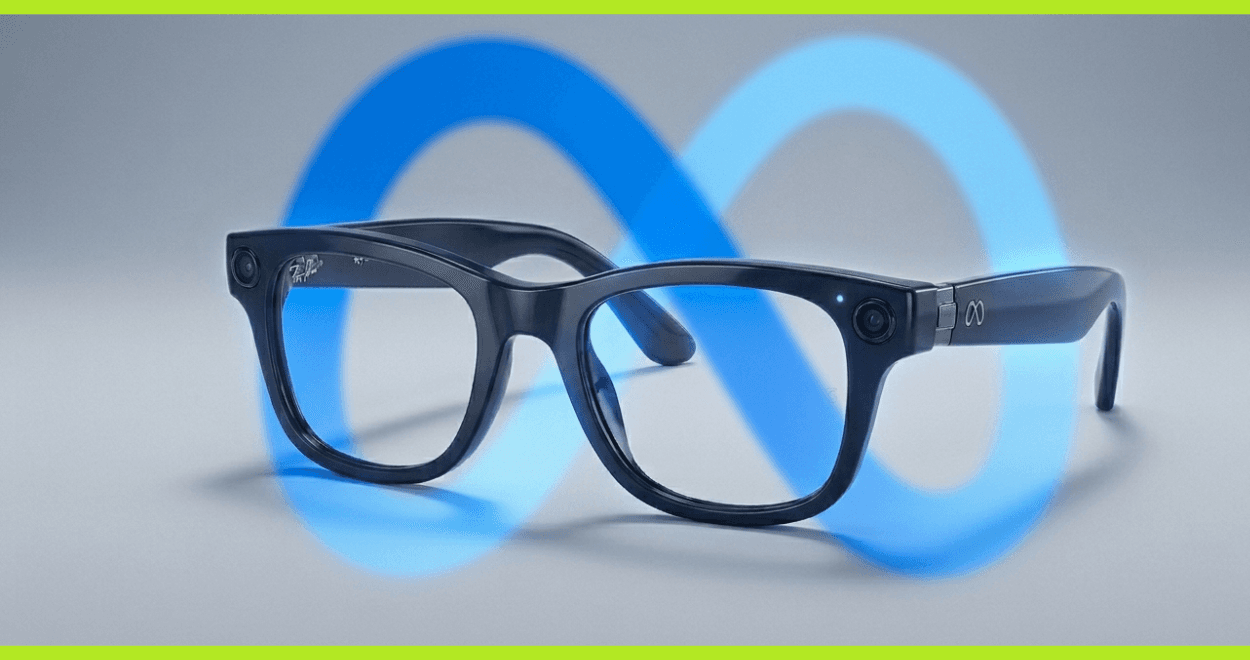
Wearables for Work and Market Stakes
Alongside consumer wearables, Meta’s “Wearables for Work” is described as a business-focused subscription service, with The Information’s reporting saying it targets enterprise customers and integrates AI wearables into workplace productivity. Digital Pakistan reported that Alex Himel set a target of 10 million wearable devices sold in the second half of 2026 and 6.8 million monthly active wearable users by year’s end, framing the push as a way to reverse losses at Reality Labs. India Today said Reality Labs reported a $4.03 billion quarterly loss while generating only $402 million in revenue, and it described the pendant plan as part of a strategy to grow Meta’s hardware business.
The Decoder said Meta rolled out a two-tier subscription for its AI chatbot Meta AI, with Meta One Plus priced at $7.99 and Meta One Premium priced at $19.99 in select markets, as it looks for software subscriptions to offset hardware losses. In the market context described by El Boletín, investors kept “la cautela” awaiting results from major technology companies, while the Nasdaq was supported by gains in Microsoft, Apple, and Meta as they advanced ahead of upcoming earnings.