Technology and Science14 July, 20263 min read
UK Announces Voluntary Midnight Social Media Curfew For 16- And 17-Year-Olds
This article is an automated aggregation of coverage from news outlets. Our editorials offer in-depth analysis curated by the NewsCord team.
Default midnight-to-6am block blocks social apps for 16-17-year-olds. Older teens can opt out by adjusting account settings.
Curfew for 16-17s
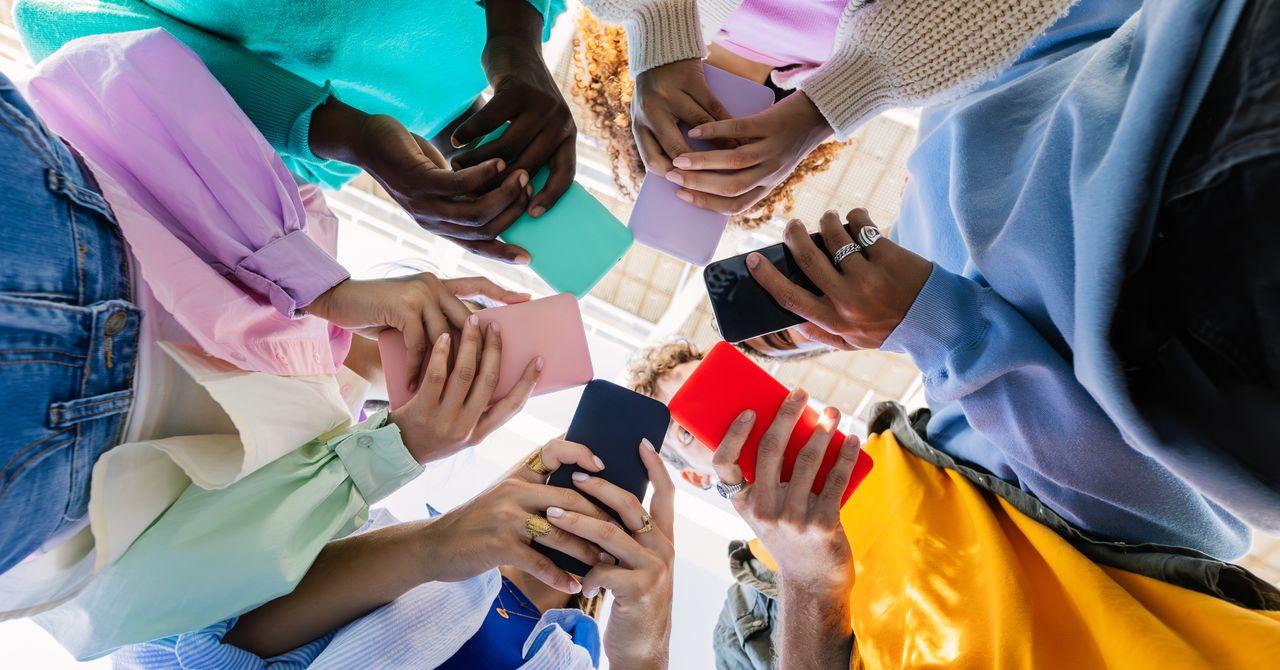
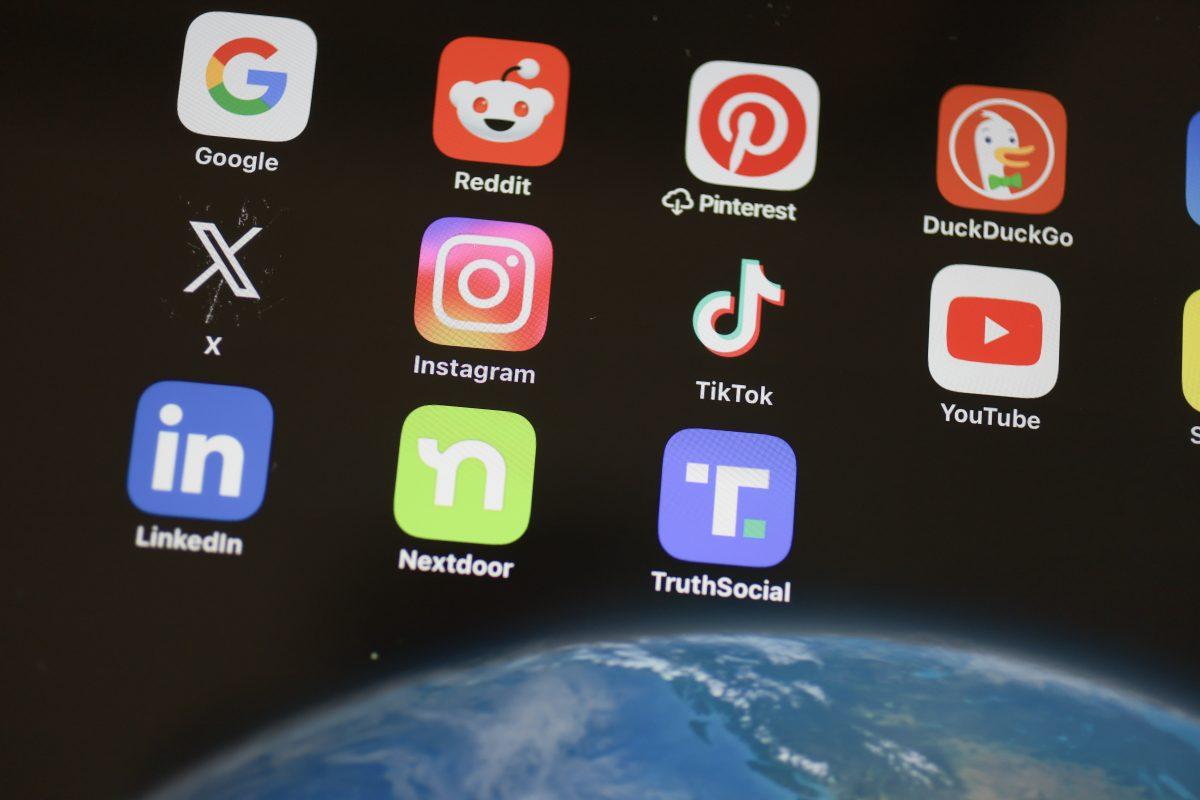
The UK government announced a voluntary overnight social media curfew for 16- and 17-year-olds, with default settings blocking access between midnight and 6am and features like infinite scrolling and algorithmic feeds automatically disabled. Technology Secretary Liz Kendall said in a statement that “even as young people gain greater independence at 16, they should still be protected from the most addictive online features that can have a harmful impact on their wellbeing.” The BBC said apps such as Instagram, TikTok and YouTube would be set to be unavailable by default to 16 and 17-year-olds between midnight and 06:00, while the curfew could be overridden by changing account settings.
The plans are framed as part of Labour’s wider restrictions following a June announcement that under-16s would be banned entirely from a range of platforms, and the government said it aims to lay the measures before parliament by the end of 2026 for next spring. The BBC also reported that the government wants “addictive” features such as auto-play and infinite scroll disabled, saying the combined approach will improve teenagers' focus, sleep quality and family life.
Critics question defaults
Conservative shadow education secretary Laura Trott attacked the curfew as ineffective, telling the BBC, “curfews they can simply switch off won’t achieve anything.” The BBC also quoted Andy Burrows, chief executive of the Molly Rose Foundation, saying the move was “yet another piecemeal set of announcements not the comprehensive plan for children's safety that's required.” In the same coverage, Prof Sonia Livingstone of the London School of Economics warned that a curfew could harm vulnerable children by limiting access to social media when they might need it most.
Dame Rachel de Souza, Children’s Commissioner for England, said young people “do want to be protected from addictive, infinite scrolling,” while also saying she would watch closely to ensure the policies are effective. The Independent reported that critics questioned the measures' effectiveness because 16- and 17-year-olds can switch off default settings, even as the government said a pilot involving more than 300 teenagers and parents found overnight curfews helped improve sleep and concentration.
AI safeguards and enforcement
Alongside the social media curfew, the government said it would introduce safeguards for children using artificial intelligence chatbots, including requiring under-18s to take regular breaks while using chatbots. The Independent said ministers are considering banning chatbots that pose a serious threat to children, and it quoted the technology secretary’s statement about protecting wellbeing and helping young people get the sleep they need. The BBC reported that further measures would be aimed at helping children use AI chatbots safely, including making providers introduce regular breaks for under-18s.
The Guardian said the government’s own research found only 7-10% of children reported using a VPN specifically to bypass age checks, while also noting that the curfew would not be mandatory and could be overridden. The BBC described the government trial as involving 300 teens with social apps disabled entirely, blocked overnight from 21:00 and 07:00 or capped to one hour's use, and it said the curfew trials were cited as seeing the most sleep benefits.