
Hezbollah and Iran Unleash Coordinated Cluster-Bomb Strikes on Israel
Key Takeaways
- Iran fired cluster munitions at Israel
- Cluster munitions dispersed bomblets, risking indiscriminate civilian harm
- Israeli officials and verified footage attribute the attacks to Iran
Iran’s cluster strikes
Verified footage and Israeli authorities attribute a series of missile strikes on Israel to Iran, saying many of the warheads used were cluster-munition types.
“Israel says Iran is using cluster munitions”
The New York Times reports that “Iran has launched missiles with cluster-munition warheads at Israel over the course of the Middle East war, according to verified footage and Israeli officials,” and that “More than 10 Iranian missiles with the warheads have been fired at the country since the war began on Feb. 28, according to Chief Superintendent Doron Lavi of the Israeli police’s bomb disposal unit.”
The Associated Press similarly states, “Israel says Iran has been firing cluster munitions throughout their 10-day war — adding a complicated and deadly challenge to Israel’s already-stretched air defenses.”
An Israeli military official quoted by Fox News said “roughly half of the projectiles Iran was launching toward Israel were now cluster bombs,” underscoring the prevalence of the weapon in the strikes.
Civilian harm and danger
The use of cluster munitions has had immediate and dangerous effects on civilians and urban areas.
Journalists and experts describe how “The warheads burst open at high altitudes, scattering dozens of smaller bomblets across a wide area,” a pattern that leaves unexploded ordnance behind and causes indiscriminate harm, as the New York Times summarizes that “Experts say this has exposed civilians to indiscriminate attacks.”
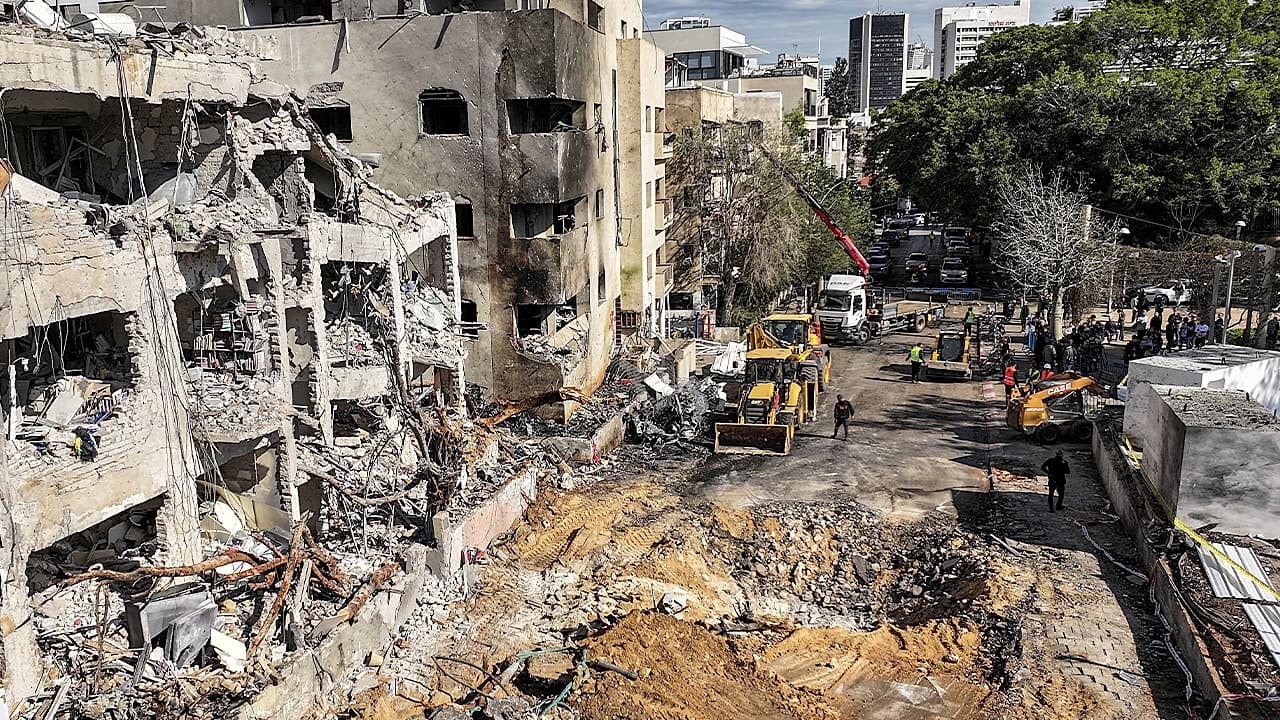
The Associated Press reports that “At least three people have been killed, including two at a construction site in central Israel on Tuesday,” and warns the bomblets “can be especially dangerous because most of the missiles have been aimed at its densely populated center.”
Fox News coverage notes the domestic impact as well: “Israeli citizens have to spend most of the time in the shelter rooms as Hezbollah and Iran deliberately target civilians and civilian facilities,” he said.
Hezbollah’s ground tactics
On the ground in Lebanon, reporting indicates Hezbollah has shifted tactics and resumed more guerrilla-style operations along the border while the missile campaign from Iran continues, but the available sources do not conclusively document formal, coordinated strike planning between Tehran and Hezbollah.
“War in theMiddle East Advertisement Supported by Accounts from Israeli officials and footage verified by The New York Times show that Iran has targeted Israel with the weapons”
Fox News cites sources that say “Operating in small units, fighters from the Iran-backed group are avoiding the use of communication devices that could be at risk of Israeli tapping and are rationing the use of key anti-tank rockets as they engage Israeli troops,” and that “Reuters sources also claimed much of Hezbollah's fighting on the ground had been focused so far near the town of Khiyam, near the intersection of Lebanon's border with Israel and Syria.”
The New York Times and the Associated Press document Iran’s missile and cluster-munition use (for example, the NYT’s finding that “Iran has launched missiles with cluster-munition warheads”) but do not provide direct on-the-record evidence in these excerpts proving coordinated operational control between the two actors.
Legal, defence dilemmas
The strikes expose legal and defensive dilemmas: cluster munitions are widely stigmatized or banned, present long-term explosive hazards, and are difficult for existing missile-defence systems to counter once submunitions disperse.
The Associated Press notes that “Over 120 countries have signed an international convention banning the use of cluster munitions, although Israel, the United States and Iran are among the nations that have not joined the treaty,” and warns that the bomblets “pose a particular threat to the civilian population both during and after use.”
The AP and other reporting stress the technical challenge: intercepting a missile before it releases bomblets is difficult and “there is little that can be done” once they have dispersed.
The New York Times reports that some experts say the strikes “could violate the laws of war,” while Fox News documents an Israeli military response, saying “As of Tuesday night local time, the IDF said it had launched a wave of airstrikes against Hezbollah infrastructure in Beirut’s southern suburbs.”
More on Iran
US Bombs Military Sites on Iran's Kharg Island
10 sources compared
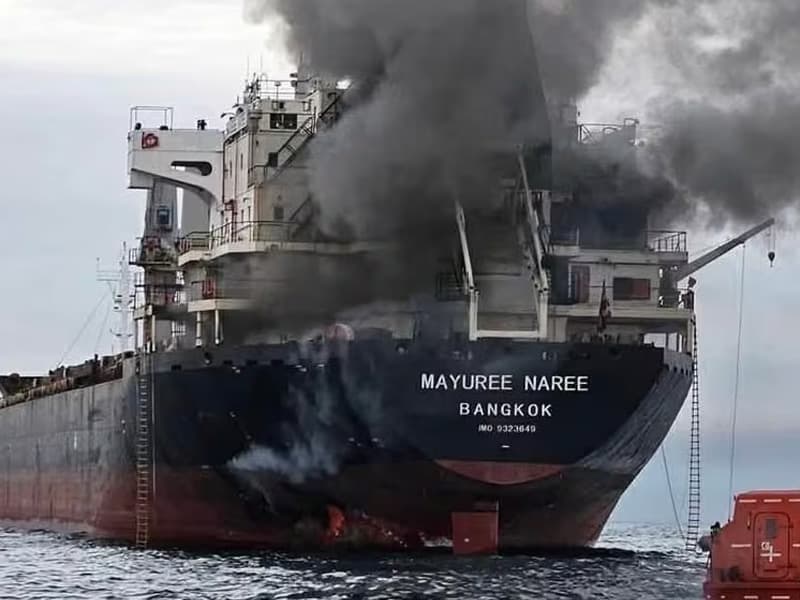
Iran Closes Strait of Hormuz, Chokes Global Shipping and Pushes U.S. Retail Prices Higher
41 sources compared
President Donald Trump Orders US Bombing of Iran's Kharg Island, Says Targets 'Totally Obliterated'
18 sources compared
US obliterates military targets on Iran’s Kharg Island, Trump warns
13 sources compared