
Hezbollah Attacks Israeli Force Near Kfar Tebnit With Rockets And Drones
Key Takeaways
- Hezbollah fired rockets and drones into Israeli territory.
- Israel launched airstrikes on Beirut's southern suburbs targeting Hezbollah.
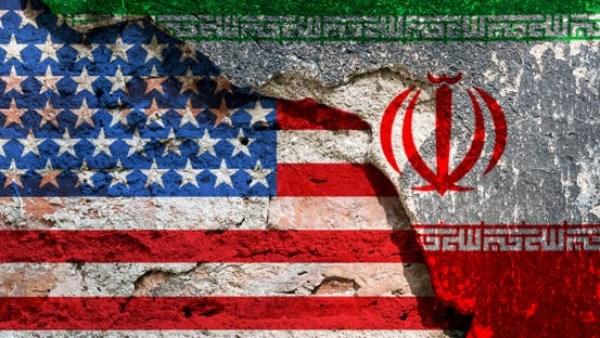
- Escalation amid US-Iran deal diplomacy threatens disruption to talks.
Dahiyeh Strike and Retaliation
Hezbollah said on June 15 it attacked an Israeli force “advancing” in southern Lebanon near Kfar Tebnit town, with fighters “using rockets and drones” blocking an Israeli force that included an excavator and two Merkava tanks.
“Israel attacks Hezbollah targets in Beirut's southern suburbs By Steven Scheer, Maya Gebeily, Nayera Abdallah and Eman Abouhassira JERUSALEM/BEIRUT June 14 (Reuters) - Israel said its military attacked Hezbollah targets in Beirut's southern suburbs on Sunday after the Iran-aligned armed group fired into Israeli territory, and the Lebanese state news agency said two people were killed”
In a separate June 15 statement, Hezbollah said the Israeli force regrouped near the crossing area by bringing in an armored force consisting of five Merkava tanks and four vehicles, and that “The mujahideen of the Islamic Resistance targeted them with rocket barrages and artillery shells, and the clashes are still ongoing”.

Earlier on June 15, Lebanon’s National News Agency reported an Israeli drone targeted a car in the same area “killing its driver,” marking the first deadly strike since the agreement was announced.
UN Secretary-General Antonio Guterres’ spokesman Stephane Dujarric said UNIFIL observed a decrease in violence from midnight until 4pm local time on June 15, recording 133 trajectories of projectiles and two airstrikes attributed to the IDF.
The Straits Times also tied the renewed fighting to the US-Iran agreement to end the Middle East war on all fronts, noting that Hezbollah drew Lebanon into the wider conflict on March 2 with rocket fire at Israel.
Israel, Iran, and US-Iran Terms
Israeli officials said Prime Minister Benjamin Netanyahu told U.S. President Donald Trump that Israel does not consider itself bound by the Lebanon clause in the emerging agreement with Iran, and that Jerusalem will not accept any arrangement that limits its freedom to act against Hezbollah.
Ynetnews reported that Netanyahu also told Trump that Israel will not withdraw from Lebanon, and that the IDF will remain in the positions it currently holds to foil threats from Hezbollah, including destroying terror infrastructure and responding to any attack on Israel.

The Times of Israel said Israel was bracing for Iranian missile fire on Sunday after Tehran vowed that an Israeli Air Force strike on a Hezbollah target in Beirut’s southern suburbs would “not go unanswered.”
In the same account, Lebanon’s National News Agency reported that at least three people were killed and 14 were injured in the strike, and the IDF said it carried out a “precise” strike on Hezbollah infrastructure.
The Straits Times also quoted Stephane Dujarric saying UNIFIL recorded “No trajectories from Hezbullah or non-State actors” during the observed period, underscoring how the fighting picture varied by time and source.
What’s at Risk Next
The Straits Times reported that details of the agreement to end the Middle East war on all fronts have not been made public, but that Iran and mediator Pakistan said it includes Lebanon, while an official source told AFP that “Lebanon was not informed of the terms of the agreement or the time of the ceasefire”.
In parallel, the Times of Israel described how the IDF Home Front Command adjusted guidelines for civilians after the Dahiyeh strike, restricting gatherings nationwide to 5,000 people while northern border communities kept limits of 100 people outdoors and 400 indoors.
Al-Monitor said Israel issued evacuation warnings for residents of at least 30 towns and villages in southern Lebanon and that residents were instructed to leave their homes and move north of the Zahrani River, approximately 45 kilometers from the Israeli border.
Al-Monitor also reported that Hezbollah rejected negotiations and said any ceasefire with Israel should secure an end to all hostilities, including in southern Lebanon and the withdrawal of Israeli troops.
The Straits Times framed the immediate operational stakes around Hezbollah’s claim that it had blocked Israeli advances near Kfar Tebnit and that clashes were still ongoing, even as UNIFIL observed fewer exchanges of fire during a defined window on June 15.
More on Lebanon

Netanyahu Says Israel Will Remain in Lebanon Security Zones After Iran Victory
11 sources compared

Trump Announces U.S.-Iran Deal As Israel Strikes Kill One In Southern Lebanon
16 sources compared

Netanyahu Hails Victory Over Iran, Rules Out Immediate Withdrawal From Lebanon
30 sources compared
Israeli Strike Kills One in Southern Lebanon as Hezbollah Fires at Israeli Troops
18 sources compared