
Trump Announces U.S.-Iran Deal As Israel Strikes Kill One In Southern Lebanon
Key Takeaways
- U.S. and Iran reach deal to end their war, signaling formal signing.
- Israel pledges to stay in Lebanon, maintain presence, avoiding immediate withdrawal.
- Displaced Lebanese begin returning home as fighting eases after the deal.
Ceasefire, then returns
Hours after President Donald Trump announced a deal to end his war with Iran, displaced families in Lebanon began returning home for the second time since Hezbollah and Israel resumed active fighting in early March, even as Israel vowed to maintain its military buffer zone in south Lebanon and to continue strikes on Hezbollah.
“Toggle Play Mass return to southern Lebanon following US-Iran agreement Thousands of displaced Lebanese returned to southern Lebanon on Monday after a US-Iran agreement to end the war”
The Washington Post reported that the return came after Trump’s announcement, with the conflict involving Israel, Lebanon, and Hezbollah still ongoing and with displaced families assessing wreckage.
In Lebanon, CBC said fighting eased significantly on Monday but did not halt completely, with an Israeli strike killing one person and Hezbollah firing at Israeli troops in southern Lebanon.
CBC also reported that Lebanon has suffered the deadliest spillover of the conflict between the U.S. and Iran, with nearly 3,800 people killed and some 1.2 million people uprooted by an Israeli offensive against the Iran-backed Hezbollah group, which opened fire on Israel in support of Tehran on March 2.
The Times of Israel described the U.S.-Iran deal as greeted with despair in northern Israel and joy in Lebanon, while noting that direct negotiations with Lebanon’s government for a separate ceasefire hosted by the U.S. had so far been unsuccessful.
Accusations and local warnings
As the U.S.-Iran deal brought relative calm to southern Lebanon, CBC reported that municipal councils called on residents to hold off on returning home and that an Israeli drone strike on a car in the southern Lebanese town of Kfar Tebnit killed the driver.
CBC also quoted a Hezbollah official, who declined to be named, saying the group’s position on the ceasefire was linked to Israel adhering to it and that Hezbollah rejects Israeli "freedom of movement" in Lebanon.

In parallel, France 24 reported that Hezbollah rejected accusations by Israeli Prime Minister Benjamin Netanyahu that he had "undermined" the truce, instead accusing the Israeli state of violating it and affirming its insistence on the right to respond.
France 24 added that Netanyahu had said at the start of the weekly cabinet meeting on Sunday that "Hezbollah’s violations undermine the ceasefire."
The Times of Israel captured the sentiment in Israel’s north through Eitan Davidi, chair of the Moshav Margaliot community council, who said the deal left the north "with a continuous threat from Hezbollah".
What’s at stake next
Despite the easing of fighting, CBC reported that Israeli Defence Minister Israel Katz said the security zone in southern Lebanon would be cleared of local residents, and "all terrorist infrastructure, including houses," a reference to Hezbollah.
CBC also said Lebanese President Joseph Aoun issued a carefully worded statement on Monday in response to the U.S.-Iran deal, saying he was grateful to those who had worked toward de-escalation in Lebanon and appreciated the deal's recognition of the importance of his country's stability.
In the Times of Israel, AFP described displaced people preparing to return to homes they fled in the south, with Alaa Merahi telling AFP, "We’re returning to our south, to the free land⦠we can’t do without the southern land."
Libnanews framed the immediate test as whether families could return without fearing a drone, a shell, a mine, or a new evacuation order, while describing how Israeli army warnings targeted dozens of localities in the South on Sunday, June 14.
Libnanews also emphasized the stakes of the "yellow line" presented by Israel as an operational demarcation, contrasting it with the Blue Line recognized by the United Nations as the withdrawal line, and stating that the difference decides the right to return, to cultivate, to rebuild, or even to visit a family cemetery.
More on Lebanon

Netanyahu Says Israel Will Remain in Lebanon Security Zones After Iran Victory
11 sources compared
Netanyahu Hails Victory Over Iran, Rules Out Immediate Withdrawal From Lebanon
30 sources compared
Israeli Strike Kills One in Southern Lebanon as Hezbollah Fires at Israeli Troops
18 sources compared
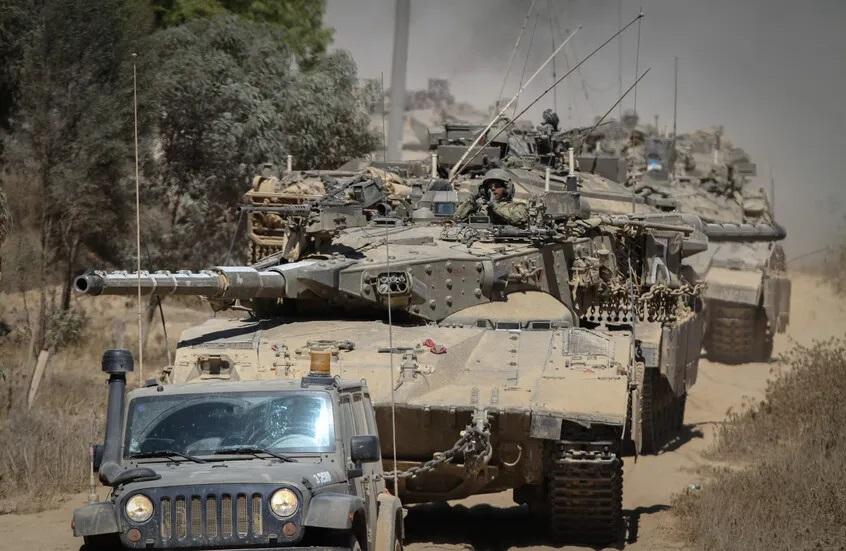
Israel’s Defense Minister Israel Katz Says Israel Will Not Withdraw From Lebanon
12 sources compared