Lebanon · 15 June, 2026 · 3 min read
Israel’s Defense Minister Israel Katz Says Israel Will Not Withdraw From Lebanon
Defense Minister Katz says IDF will not withdraw from southern Lebanon. Katz's stance implies a long-term security footprint in the area.
Whether Israel will stop attacks in Lebanon after the US-Iran deal.
10 of 11 outlets skipped it: UNIFIL incident: French peacekeeper killed; Hezbollah likely blamed..
Ynetnews was read line by line by the Watchdog: 3.8. See the score →
12outlets compared
Same story, two versions
tap a side to read it in full
The Guardian
“US officials have sought to reassure Israel, saying on Monday that the withdrawal of Israeli forces from Lebanon was not a condition”Read the original ↗
Washington Times
“Israel signaled Monday it has no intentions of stopping combat operations againstHezbollahin Lebanon”Read the original ↗
Shows disagreement over whether the deal implies restraint beyond official withdrawal.
Ceasefire on paper, fighting continues
Israel signaled it would not withdraw from Lebanon despite a US-Iran interim agreement that appeared to include a ceasefire in Lebanon, with Israel’s defense minister Israel Katz writing that he and Prime Minister Benjamin Netanyahu opposed stopping combat operations against Hezbollah in Lebanon.
“Therefore, we oppose an IDF withdrawal from Lebanon, despite all existing pressures and those that may still come.”
Katz said “Holding territory and maintaining security zones are among the IDF’s greatest achievements in the War of Revival,” and he added, “Therefore, we oppose an IDF withdrawal from Lebanon, despite all existing pressures and those that may still come.”

The Guardian reported that Israel’s forces would remain in “security zones” around the State of Israel, with Netanyahu ruling out any immediate withdrawal from Lebanon and saying, “We will remain in these security zones … to protect our country.”T
The Guardian also described relative calm in southern Lebanon on Monday, saying Hezbollah’s attacks on Israeli military targets in southern Lebanon and northern Israel stopped just before midnight and Israel reduced its attacks, while unconfirmed reports of explosions persisted in some southern towns.T
Israeli officials, US pressure, UN warning
As the US-Iran deal prompted dismay in Israel, the Guardian said Israeli media headlines described an “abject failure,” while it quoted opposition figures attacking Netanyahu’s stance on the interim agreement.T
Yair Golan, leader of the Democrats, said Netanyahu had allowed “military achievements won through the courage of [Israel’s armed forces] to be erased,” and he argued the deal “funnels billions to the ayatollahs’ regime” while leaving Iran’s nuclear infrastructure intact.
In parallel, Al Jazeera reported that the UN Secretary-General Antonio Guterres condemned Israeli strikes on Beirut, writing, “I strongly condemn today’s Israeli strikes on Beirut,” and warning that the strikes took place “despite the ceasefire & at a time when the US & Iran are expected to reach an agreement.”
Al Jazeera also reported that Lebanon’s civil defence agency said at least seven others were wounded in the Dahiyeh area of the Lebanese capital, and it said Netanyahu’s office described the strikes as targeting “Hezbollah targets” in Dahiyeh in response to firings toward Israeli territory.
What Israel says comes next
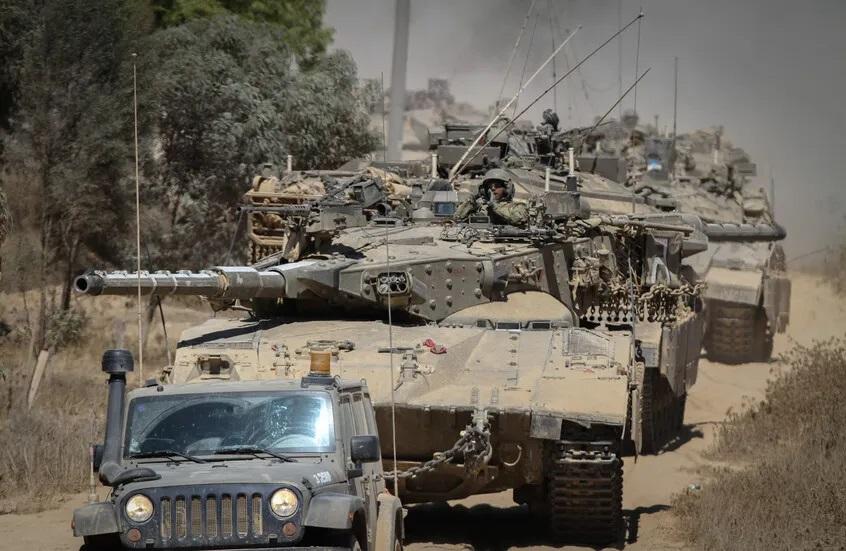
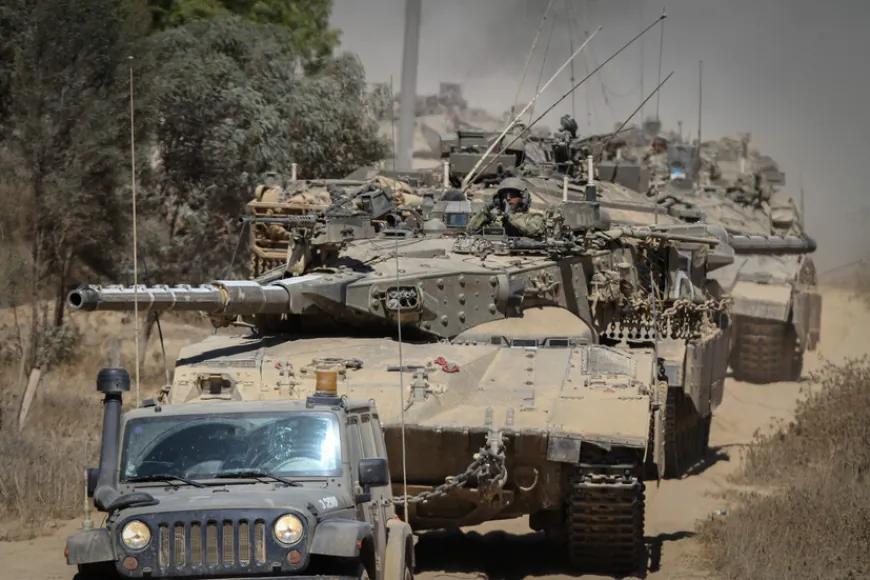
Israel’s position on the ground remained tied to security zones and continued operations, with Katz telling Israeli audiences that the IDF would remain in security zones in Lebanon, Syria and Gaza “without a time limit” to protect “the border and Israeli communities from jihadist elements.”
“The IDF will remain in the security zones in Lebanon, Syria and Gaza without a time limit”
Katz also said the area would be cleared of local residents and that “all terror infrastructure, above and below ground, including homes in contact-line villages that served as terror outposts, will be destroyed,” while he reiterated, “We will not withdraw from the security zones.”
France 24 reported that Katz said Israel would stay “indefinitely” in lands it holds in Lebanon, Syria and the Gaza Strip, potentially challenging the US-Iran memorandum of understanding that was announced a day earlier.
France 24 added that over the past two and a half years Israel has taken control of areas in Gaza, Lebanon and Syria amounting to 1,000 square kilometres (386 square miles) of territory, and it said the interim deal gave 60 days to resolve what to do about Iran’s stockpile of highly enriched uranium and its atomic program.