Lebanon · 21 June, 2026 · 3 min read
Hezbollah Leader Naim Kassem Rejects Ceasefire That Gives Israel Freedom Of Action In Lebanon
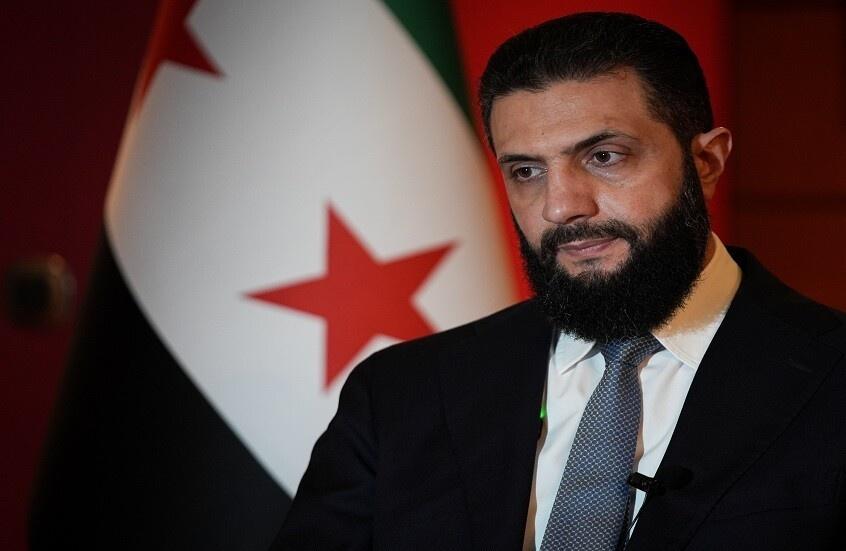
Trump suggested Damascus could handle Hezbollah in Lebanon. Syrian President Ahmad al-Sharaa denied invasion or militarized disarmament plan.
What Syria’s supposed role in Lebanon means.
10 of 11 outlets skipped it: iran state media said talks entered a difficult phase..
Arab News was read line by line by the Watchdog: 4.4. See the score →
14outlets compared
Same story, two versions
tap a side to read it in full
Frames Syria’s role as political denial versus coercive pressure affecting talks.
Ceasefire and border moves
Lebanon’s uneasy calm was reported after days of heavy fighting, with the Washington Post saying Israel will lift movement restrictions near the border with Lebanon as of Monday morning even as a fragile ceasefire remains in place.
“Israel will lift movement restrictions near border with Lebanon”
The Washington Post also reported that U.S. and Iran meet in Switzerland on their interim deal to end the war, while Iran has insisted they must address Israel’s attacks in Lebanon first.

In a televised speech, Hezbollah leader Naim Kassem said Hezbollah will not accept any ceasefire deal that grants Israel “freedom of action” within Lebanon or does not result in a complete withdrawal of Israeli forces from southern Lebanon.
Kassem added that Hezbollah will comply with a ceasefire “if it happens,” but “we will not accept any violation,” using Israel’s term for “security zones” as he rejected them.
The Washington Post further reported that Israel’s military said residents of the north near the border with Lebanon will be able to move around freely with no restrictions as of Monday morning, after months of restrictions tied to the threat of attack by the Iranian-backed Hezbollah militant group in southern Lebanon.
Syria denies invading
Syrian President Ahmad al-Sharaa pushed back on U.S. President Donald Trump’s suggestion that Damascus could take over the handling of Hezbollah in Lebanon, telling an interview that the remarks were interpreted too broadly.
In the Reuters-linked reporting carried by Ynetnews, al-Sharaa said, “The statement was interpreted incorrectly, as if Syria is going to invade Lebanon tomorrow morning,” and he stressed that Syria was deeply concerned about Lebanon’s security and stability.Y

Ynetnews also quoted al-Sharaa saying, “We have a deep problem with Hezbollah, but we do not want all of Lebanon to die,” as he argued that Lebanon cannot remain trapped between civil war and war with Israel.Y
The Washington Post reported that al-Sharaa said Trump’s remarks had been “misunderstood,” adding that Trump “spoke about Syria’s role in finding a safe and peaceful solution, but the statement was misinterpreted as if Syria were going to invade Lebanon tomorrow morning,” al-Sharaa said.
Both outlets framed al-Sharaa’s response as a denial of any imminent military movement into Lebanon while keeping the focus on a “safe and peaceful solution” and Lebanon’s security and stability.
Diplomacy under pressure
As U.S. Vice President JD Vance and senior Iranian officials formally launched negotiations in Switzerland over Tehran’s nuclear program, Arab News reported that the talks were being stress-tested after fighting escalated in Lebanon between Israel and Hezbollah.A
“Trump threatened in an online post to strike Iran if it did not “immediately stop their highly paid PROXIES in Lebanon from causing trouble,””
Arab News said the framework was signed last week and that top American and Iranian negotiators were in a 60-day sprint to reach agreement on technical details, while Trump threatened to strike Iran if it did not “immediately stop their highly paid PROXIES in Lebanon from causing trouble,” making reference to Hezbollah.A
The Washington Post reported that Iran state news agency IRNA suggested that talks have “entered a difficult phase” after what it described as an “insulting” statement by Trump, without specifying the statement.
The New York Times added that Abbas Araghchi said that under the initial agreement, Iran expected Israeli forces to immediately withdraw from Lebanon and halt their attacks, while Israel said its military will remain in Lebanon.
The New York Times also stated that more than 3,600 people in Lebanon have been killed, underscoring the scale of the conflict that both sides are trying to end while the U.S.-Iran ceasefire terms remain secret.