Lebanon · 01 August, 2026 · 3 min read
Joseph Aoun Says Lebanese Army Is Sole Guarantor, Calls Full Deployment From Naqoura to Arida
Lebanese army is the sole guarantor of Lebanon's unity, sovereignty, and independence. Calls for full deployment of the army along the southern border with Israel.
How the Washington framework deal is characterised regarding Israel’s withdrawal timeline.
12 of 13 outlets skipped it: UN praised army trust across communities.
The National was read line by line by the Watchdog: 0.3. See the score →
13outlets compared
Same story, two versions
tap a side to read it in full
L'Orient Today and The National frame the deal’s withdrawal timing differently.
Army Day message
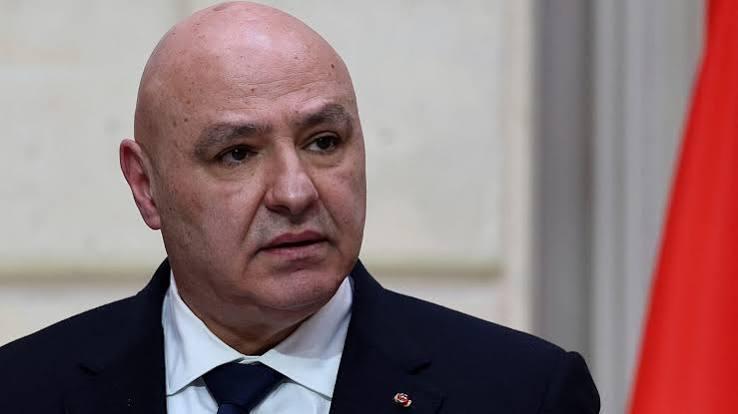
Lebanese President Joseph Aoun used Army Day to argue that the Lebanese Army is the “sole guarantor of Lebanon, its unity, sovereignty and independence,” saying the army’s responsibilities are “multiplied” as the war between Hezbollah and Israel continues.
“The Lebanese Army is the sole guarantor of Lebanon, its unity, sovereignty and independence.”
In his August 1 address, Aoun said the next phase will require “the full deployment of military units along the entire southern border” and “the extension of the state’s sole authority across the country,” linking the plan to a framework agreement signed by Lebanon and Israel in June and a first withdrawal in Zawtar al-Gharbieh in the Nabatieh district.

Aoun also reaffirmed “full confidence” in Lebanese Army Commander Gen. Rodolphe Haykal, praising his “responsibility, professionalism and selflessness,” while noting that Haykal has faced criticism from pro-sovereignty figures who accuse him of not taking a firm enough stance toward Hezbollah.
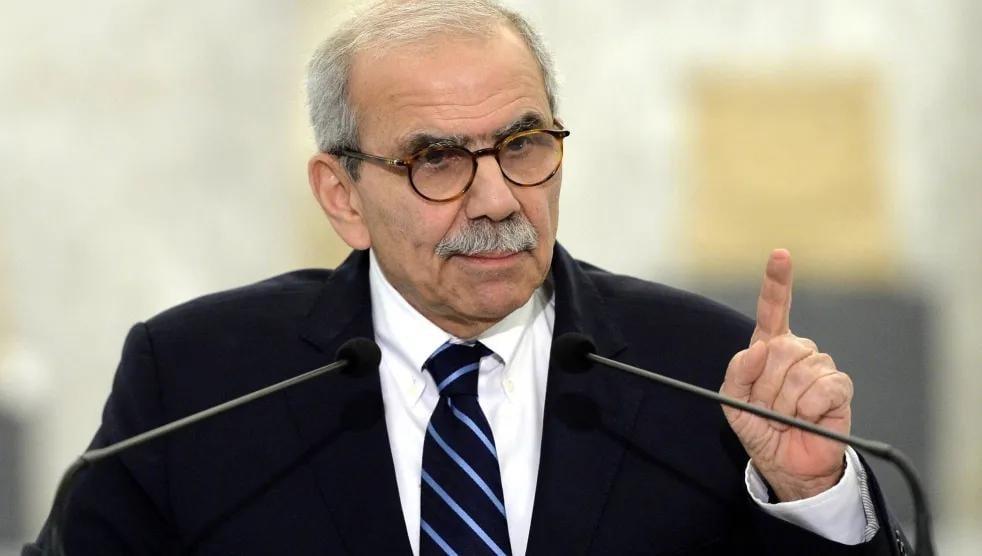
Prime Minister Nawaf Salam echoed the same sovereignty line on X, writing that restoring full sovereignty, strengthening stability, and protecting the population depend on deploying the Lebanese Army “from Naqoura to Arida,” and adding “One army, one people, one nation.”
State monopoly on arms
Aoun’s Army Day message centered on a state monopoly on weapons, with Anadolu Ajansı quoting him saying, “no weapon has legitimacy outside the state's legitimacy, and there is no protection for Lebanon outside its national army.”
In the same presidential statement, Aoun argued that only the Lebanese army possessed “the authority to decide, the capacity and the legitimacy” to be the state’s exclusive military force, and he tied the policy to government decisions in August 2025 to place all arms, including those held by Hezbollah, under the exclusive authority of the state.
Anadolu Ajansı reported that the army began deploying in Zawtar al-Gharbiyeh on July 21 as part of the first phase after the Israeli army’s withdrawal from the pilot area, while also saying Israel continues to occupy certain areas of southern Lebanon.
The National framed the day’s message as a call for full deployment across Lebanese territory, quoting Aoun that the military remained the “only guarantor of Lebanon’s unity, sovereignty and independence,” and citing criticism of a Washington framework deal signed on June 26 for lacking a clear timetable for Israeli withdrawal.T
Southern border stakes
Aoun linked the army’s expanded role to the southern border, saying its responsibilities “increase with every Israeli withdrawal from Lebanese territory,” and that “the next phase requires the full deployment of military units along the entire southern border” to extend state authority.
“According to Lebanon's Health Ministry, Israeli attacks since March 2 have killed over 4,300 people and injured over 12,200 others”
Yeni Safak English added that Aoun described complete military deployment across the frontier as essential to restoring state authority, and it said the Lebanese Cabinet approved an August 2025 decision to place all weapons under the exclusive authority of the state, tasking the army with preparing a disarmament plan by the end of that month and completing implementation before year’s end.
Yeni Safak English also reported that Israeli forces advanced more than 10 kilometers into Lebanese territory during recent operations, and that Lebanon’s Health Ministry said Israeli attacks since March 2 have killed over 4,300 people and injured over 12,200 others.
In parallel, L'Orient Today said the framework agreement signed in June envisages Israeli forces withdrawing gradually from occupied areas through previously agreed pilot zones, with uncertainty over subsequent withdrawals after Israeli officials insisted on maintaining operational freedom in southern Lebanon.L