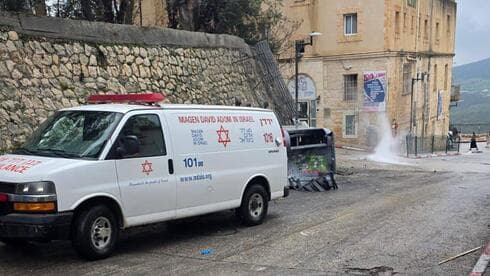
Israel Bombards Beirut
Key Takeaways
- Israeli strikes hit central Beirut, destroying a multistory apartment building.
- Hezbollah fired dozens of missiles from Lebanon into Israel overnight.
- Rockets from Lebanon damaged buildings in northern Israel; no injuries reported.
Beirut Bombardment Overview
Israeli forces launched a major bombardment of Beirut, striking multiple neighborhoods across the Lebanese capital in what appeared to be a coordinated military operation.
“Tension 'Another night of hell under Israeli fire' in Beirut: 'They don't care about anything anymore”
The Israeli military (IDF) specifically targeted Hezbollah infrastructure, including headquarters in the capital, following a night of intense Israeli airstrikes.
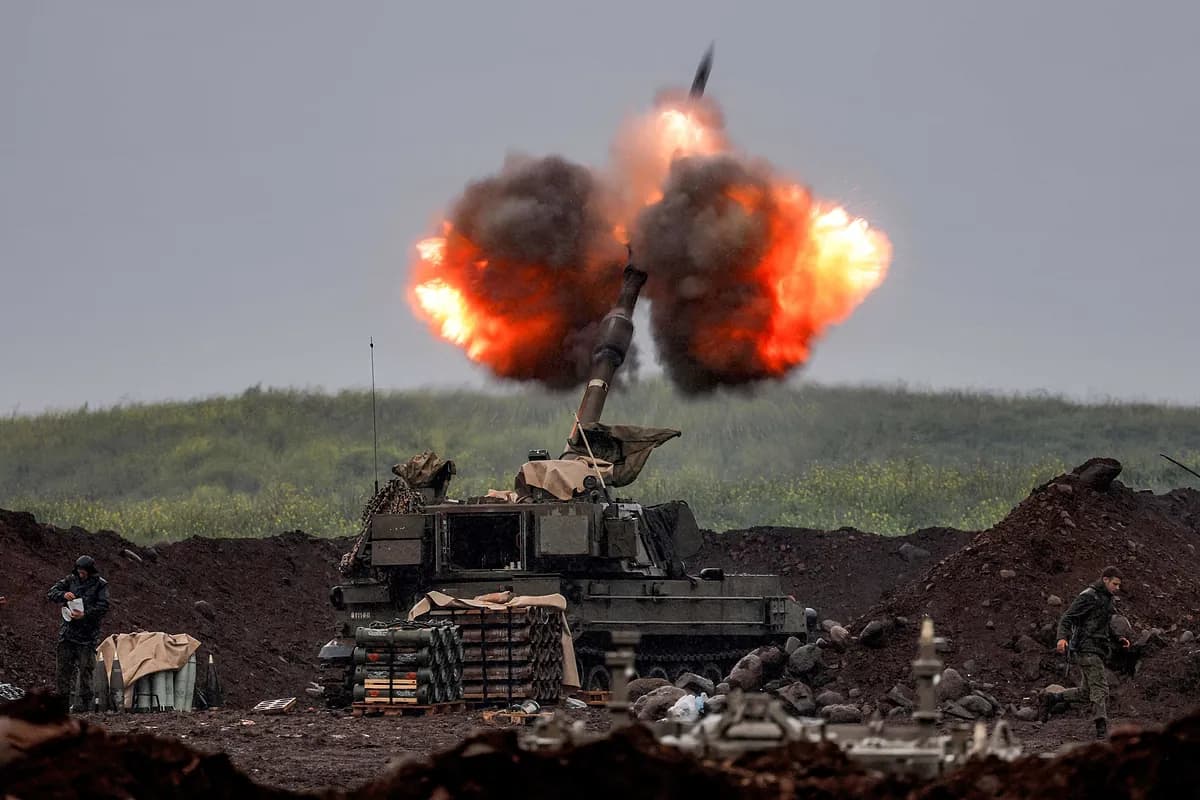
The bombardment brought down a multistorey apartment building on a main thoroughfare and blasted out walls in other buildings.
The Israeli strikes came as a response to Hezbollah launching a barrage of dozens of missiles into Israel the previous night.
This escalation heightened tensions between the two adversaries in the ongoing conflict.
Military Operations and Targets
The Israeli military operation involved sophisticated targeting of underground tunnel networks and missile launchers.
U.S.-Israeli coordination played a crucial role in the airstrikes, indicating international involvement in the military action.

According to military analysis, at least 77 percent of the 107 tunnel entrances analyzed were successfully bombed.
Satellite imagery confirmed the destruction of at least 15 missile launchers at key Hezbollah bases.
The rapid airstrike operation was specifically designed to disable underground facilities where Iran reportedly planned to reload missile launchers.
Civilian Impact and Human Cost
The civilian population of Beirut endured severe consequences from the Israeli bombardment.
“Democracy Dies in Darkness By Abby Sewell | AP BEIRUT — The latest war between Israel and the Israeli strikes hit multiple neighborhoods in central Beirut, bringing down a multistory apartment building on Wednesday on a main thoroughfare and blasting out walls in others”
Residents described conditions of extreme fear and desperation during the attacks.
Local witnesses reported that Israeli military operations seemed indifferent to civilian safety.
One resident stated, 'They don't care about anything anymore. They bomb everyone.'
The destruction of residential buildings, including a collapsed multistorey apartment complex, left many families homeless.
Hundreds gathered at the Al Ghafran Mosque in Sidon to offer condolences following the death of Abdullah Tariaqi, former commander of Fajr Forces.
Regional Implications
The ongoing conflict between Israel and Hezbollah is increasing regional instability.
Military experts warn Lebanon is being drawn into broader regional chaos.
There are growing fears of a return to civil war conditions in Lebanon.
Hezbollah's involvement positions Lebanon as a key battleground in the regional geopolitical struggle.
The destruction of infrastructure suggests this represents a significant escalation in Israel's campaign.
Military targeting may reflect longer-term strategic calculations about weakening Hezbollah's capabilities.
Conflict Context and Background
The Beirut bombardment is part of a broader pattern of Israeli strikes against Hezbollah infrastructure.
“Tension 'Another night of hell under Israeli fire' in Beirut: 'They don't care about anything anymore”
Military operations have intensified in recent months against the Lebanese group.
The death of Abdullah Tariaqi represents targeting of key resistance movement figures.
Tariaqi was described as 'the great chief of the resistance, before Hizbullah was known.'
Extensive tunnel and missile launcher bombing indicates systematic capability degradation.
U.S.-Israeli coordination suggests international backing for Israel's campaign.
More on Lebanon
Israel Strikes Hezbollah Targets in Beirut After Evacuation Warnings
13 sources compared

UAE Dismantles Terrorist Network Linked to Iran and Hezbollah, Arrests 109
19 sources compared

Israel Attacks Lebanon as Missile Lands Near RT Reporter
31 sources compared

Israel Attacks Beirut, Building Flattened; Death Toll Rises
10 sources compared