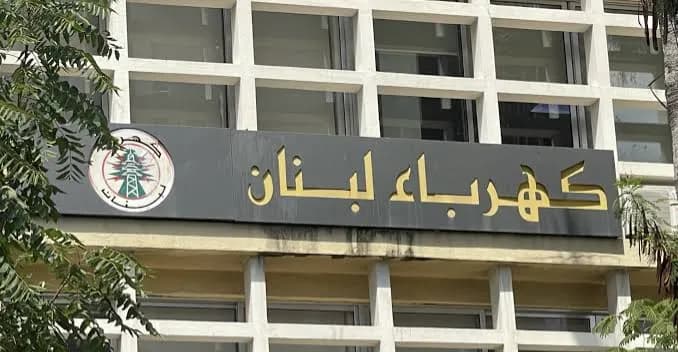
Israel Strikes Hezbollah Targets in Beirut After Evacuation Warnings
Key Takeaways
- Israeli airstrikes hit Hezbollah targets in Beirut's southern suburbs.
- IDF evacuation warnings covered seven southern Beirut neighborhoods before the strikes.
- Strikes described as part of a widening regional conflict involving Lebanon.
Beirut Strikes and Evacuations
The Israeli military conducted strikes on Hezbollah targets in southern Beirut on Saturday after issuing evacuation warnings for seven neighborhoods.
“Israeli Channel 12: One of Hezbollah drones flew over the Western Galilee and returned to Lebanon At 23:30 on Friday, March 20, 2026, Islamic Resistance fighters targeted a gathering of Israeli enemy soldiers and vehicles in Khallat al-Aaksa, in the outskirts of the border town of al-Adaisseh, with a rocket barrage: statement 55 At 23:00 on Friday, March 20, 2026, Islamic Resistance fighters targeted a gathering of Israeli enemy soldiers and vehicles at the Marj site off the border town of Markaba with a large barrage of rockets: statement 54 Israeli Channel 12: One of Hezbollah drones flew over the Western Galilee and returned to Lebanon At 23:30 on Friday, March 20, 2026, Islamic Resistance fighters targeted a gathering of Israeli enemy soldiers and vehicles in Khallat al-Aaksa, in the outskirts of the border town of al-Adaisseh, with a rocket barrage: statement 55 At 23:00 on Friday, March 20, 2026, Islamic Resistance fighters targeted a gathering of Israeli enemy soldiers and vehicles at the Marj site off the border town of Markaba with a large barrage of rockets: statement 54”
Specific neighborhoods targeted in the evacuation orders included Haret Harik, Al-Jabiri, Al-Lilki, Hadath, Barj Al-Barajna, Tahuitat Al-Ghadir, and Al-Sheikh.

The strikes marked a significant escalation in the ongoing conflict between Israeli forces and Hezbollah.
The attacks were confirmed by IDF spokespersons who stated they were targeting Hezbollah positions in the Lebanese capital.
This military action was part of an expanding Israeli campaign against Hezbollah that had been intensifying since early March.
Ceasefire Breakdown
The current escalation represents a breakdown of the November 2024 ceasefire agreement between Israel and Hezbollah.
Hezbollah began targeting Israeli military sites on March 2 in response to Israeli attacks on Lebanon and the killing of Iranian Supreme Leader Ali Khamenei.
Israeli Defense Minister Israel Katz had previously stated 'There is no evacuation' and that 'Everyone stays in their home.'
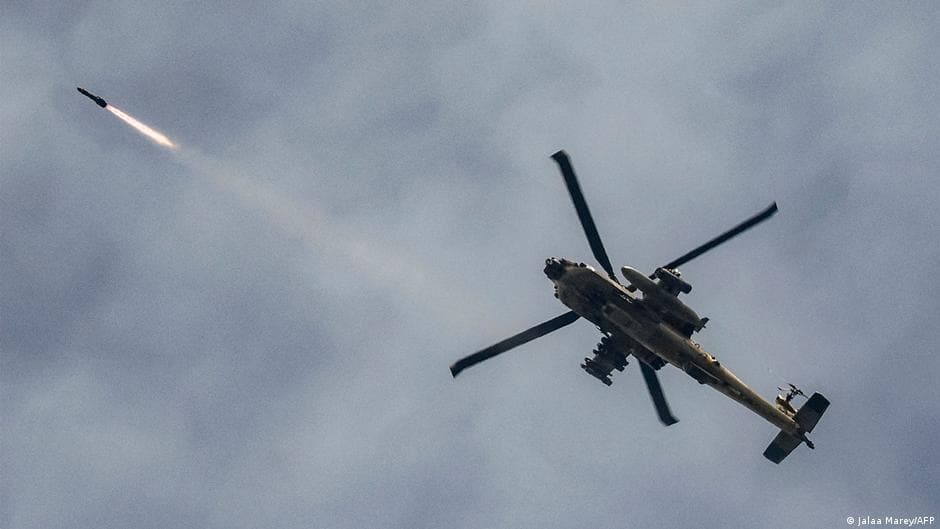
Israel responded by expanding its campaign with airstrikes across southern and eastern Lebanon.
A limited ground incursion into southern Lebanon was launched on March 3.
The conflict has become the deadliest spillover of the US-Israeli war on Iran, with Hezbollah launching hundreds of rockets and drones daily.
Military Operations and Casualties
The Israeli military has claimed significant success in its operations against Hezbollah.
“His real name, Naji Maher Abu Saif, was revealed only after his death, following years in which he was known simply as “the masked man” to protect his identity”
IDF reports indicate the killing of almost 600 Hezbollah terrorists since strikes in Lebanon began.
Among the dead were senior Hezbollah operatives including two at the rank of Major-General.
The military also reported killing four terrorists equivalent to brigadier-generals, eight equivalent to colonels, and 22 battalion-level commanders.
The IDF claims to have struck over 2,000 terror targets including 120 Hezbollah command posts, 100 weapons storage facilities, and over 130 missile launchers.
Operations involved over 1,000 sorties with bombs dropped on over 2,200 targets.
Regional Reactions
The escalating conflict has drawn international condemnation and has significant regional implications.
Lebanese Prime Minister Nawaf Salam warned that tying Lebanon to regional calculations would give Israel 'a pretext to expand its aggression' against the country.

The UAE authorities announced they had dismantled a 'terrorist network' funded and operated by Lebanon's Hezbollah and Iran, arresting its members.
Saudi Arabia's Foreign Ministry condemned Israeli strikes on Syrian army camps as 'aggression' that violated international law.
Egypt, Jordan, Qatar and Kuwait also condemned Israeli actions in Syria.
Israeli officials stated they were working to eliminate Hezbollah's military capabilities once and for all.
Civilian Impact
The civilian population in both Israel and Lebanon has been severely affected by the escalating violence.
“Despite these claims, the Israeli military has stated that it is unaware of any such strike on Lebanese infrastructure, revealing a discrepancy between the two nations' reports”
In northern Israel, civilians like Orna Weinberg, a 60-year-old farmer and doula, have been living under constant threat.
Weinberg described living 'between the thud of Hezbollah missiles and the crack of Israeli artillery' for the past 20 days.
In Lebanon, the conflict has resulted in over 1,000 people killed and over one million displaced.
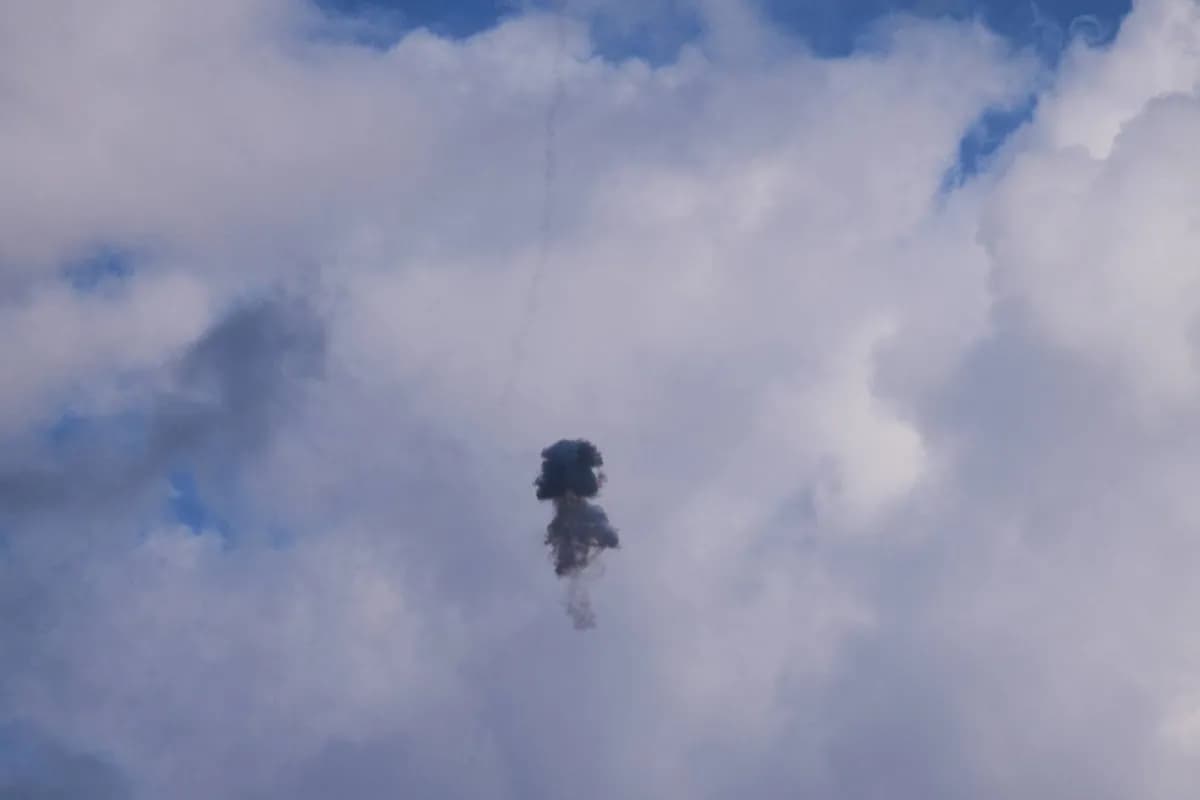
The West Bank has also been affected with reports of shrapnel pieces and debris falling after interceptions.
Israel operates a system of sirens and phone alerts directing residents to fortified shelters for protection.
More on Lebanon
UAE Dismantles Terrorist Network Linked to Iran and Hezbollah, Arrests 109
19 sources compared

Israel Attacks Lebanon as Missile Lands Near RT Reporter
31 sources compared

Israel Attacks Beirut, Building Flattened; Death Toll Rises
10 sources compared
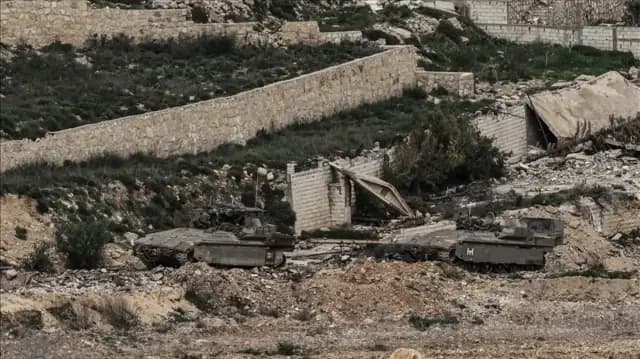
Israel Attacks Hezbollah Infrastructure in Beirut, Forcing Over 1 Million Lebanese to Flee
12 sources compared