Israel Attacks Hezbollah Infrastructure in Beirut, Forcing Over 1 Million Lebanese to Flee
Key Takeaways
- Over one million Lebanese displaced amid Israel-Hezbollah fighting
- Beirut's Hezbollah infrastructure targeted by Israeli strikes
- Western and allied states warn against major Israeli ground offensive in Lebanon
Israeli Offensive
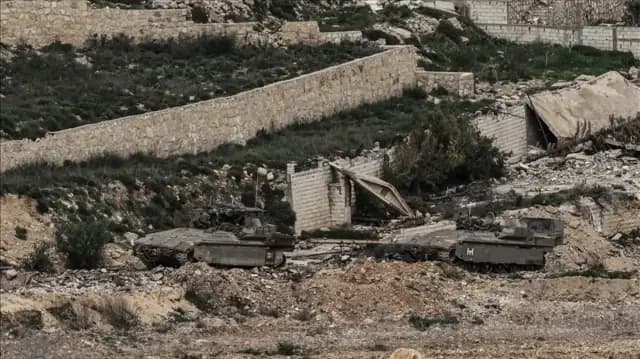
Israel has launched a major military offensive targeting Hezbollah infrastructure in Beirut and across Lebanon.
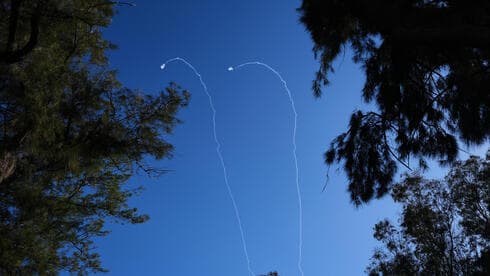
“Al Jazeera's correspondent reported rocket fire from southern Lebanon toward the Finger of the Galilee inside Israeli territory, triggering sirens in the Kiryat Shmona settlement and its surroundings in the Upper Galilee sector”
The attacks followed Hezbollah's rocket, drone and missile strikes on Israel in early March.

Hezbollah launched those attacks in response to the killing of Iranian Supreme Leader Ali Khamenei.
The Israeli military has conducted airstrikes across the country including the capital Beirut.
Israeli forces have also expanded ground operations in southern Lebanon.
The Israeli military launched what they called a 'wide scale wave of strikes' across Tehran.
The Israeli military described these operations as defensive efforts.
Humanitarian Crisis
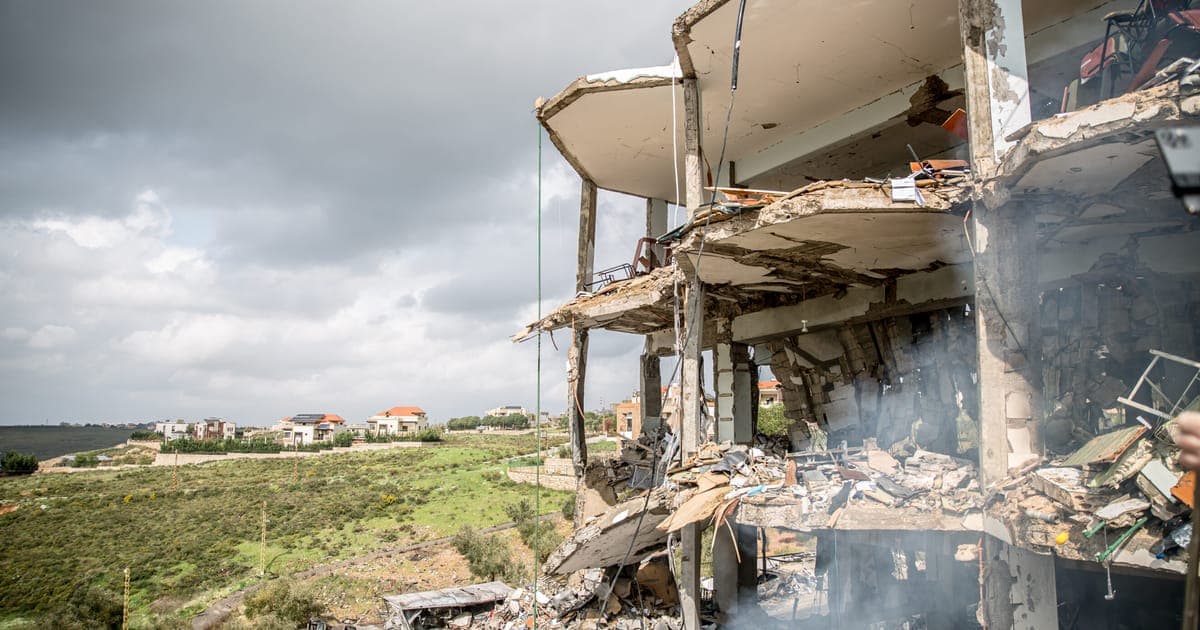
The Israeli military campaign has created a catastrophic humanitarian crisis in Lebanon.
More than 1 million people have been displaced in just two weeks of fighting.

Lebanese authorities report nearly 1,000 people have been killed.
Over 130,000 people are now living in collective shelters.
Many displaced people have been displaced once before in less than two years.
People have 'nowhere to go, either because shelters are full, rents are too high or landlords will not rent to them.'
Many are forced to sleep in their cars or in tents.
Schools have been converted to shelters and roads are clogged with traffic.
International Response
Western powers have issued stark warnings about the deteriorating situation in Lebanon.
“Published by Global Banking & Finance Review® Posted on March 16, 2026 2 min readLast updated: March 17, 2026 Published by Global Banking & Finance Review® Posted on March 16, 2026 2 min readLast updated: March 17, 2026 Canada, France, Germany, Italy and the UK issued a joint warning on March 16, 2026, urging Israel to avert a major ground offensive in Lebanon due to alarming humanitarian risks amid soaring displacement and collapsing shelter capacity”
Canada, France, Germany, Italy and the UK issued a joint statement about the conflict.
The statement declared a major Israeli ground offensive would trigger 'devastating humanitarian consequences'.
Such an offensive could potentially ignite a protracted regional conflict.
The five nations expressed 'grave concern' over the escalating violence.
They urged all parties to immediately pursue de-escalation.
They stated that 'attacks targeting civilians, health workers, infrastructure, and UN personnel are unacceptable'.
The Western leaders called for meaningful negotiations and adherence to international humanitarian law.
Military Developments
The military situation has seen significant developments on the ground in Lebanon.
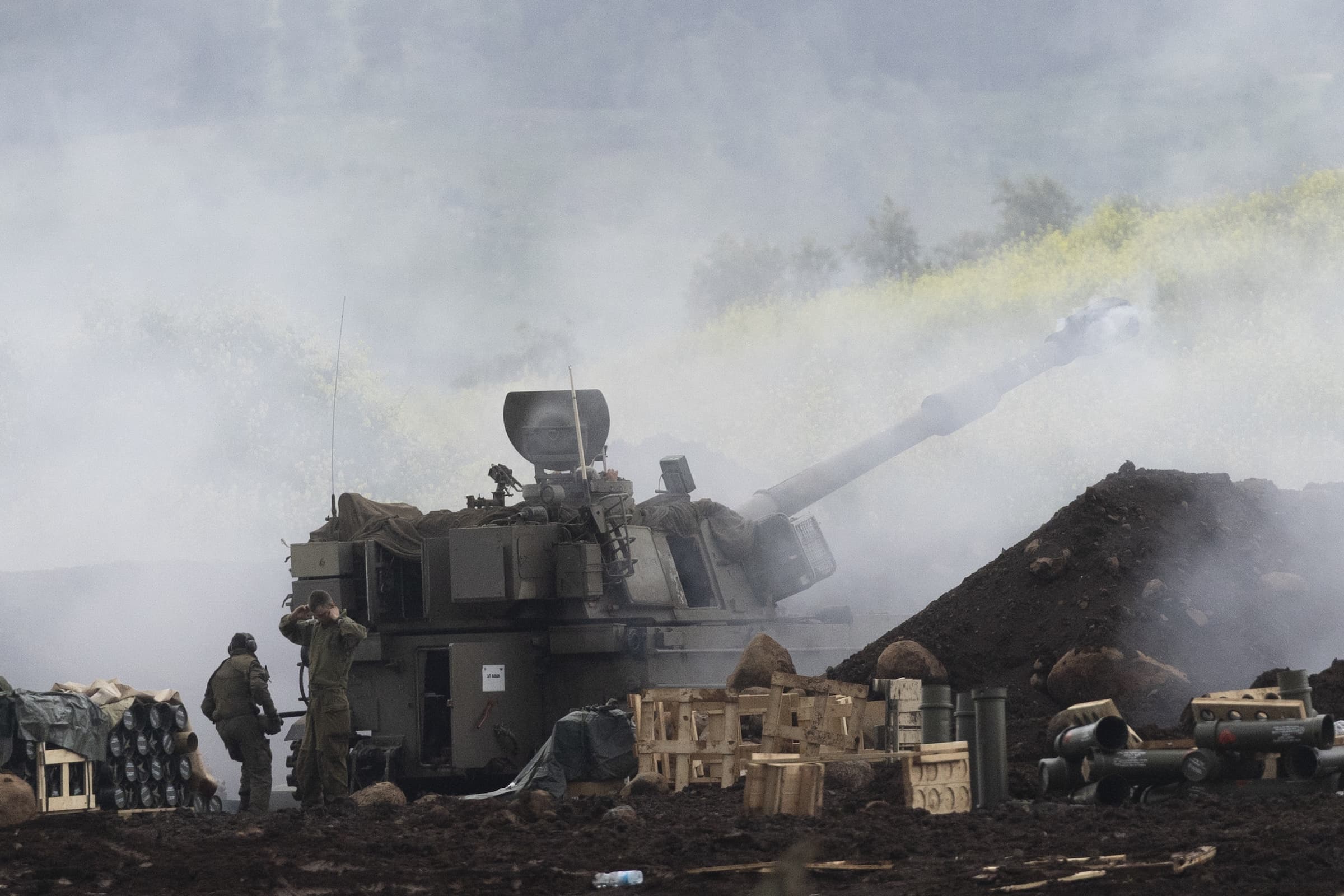
Israeli forces are conducting targeted operations in southern Lebanon.

Hezbollah continues its resistance against the Israeli military campaign.
The Israeli military has issued sweeping evacuation warnings for southern Lebanon.
These warnings extend more than 40km from the Israeli border.
Defense Minister Israel Katz warned displaced Lebanese not to return home 'south of the Litani area' until northern Israel is secure.
Hezbollah fighters are clashing with Israeli forces in southern Lebanon.
Hezbollah claims responsibility for attacks on Israeli settlements.
Residents in some southern Lebanese areas like Arqoub are refusing to evacuate.
They have declared their intention to hold onto their land despite Israeli attacks.
Political Fallout
The conflict has sparked significant political implications within Lebanon.
“The densely populated district, home to hundreds of thousands, has endured continuous bombardment for weeks, forcing mass displacement”
Hezbollah's traditional base of support among Shiite Muslims is showing increasing discontent.
Longtime supporters once viewed Hezbollah as representing their interests and security.
Now they question the group's decision to drag Lebanon into another war.
Many expressed bewilderment at Hezbollah's leadership decision to attack Israel.
One supporter stated 'The price we paid was not enough? Displacement, destruction, and devastation.'
The government in Beirut has hardened its stance against Hezbollah.
The government demands the group disarm and cease military activities.
Even Hezbollah's political ally, the Amal Movement, voted to ban military activities.
Regional Escalation
The conflict has also sparked regional escalation beyond Lebanon.
Iran has launched missile attacks on Israel and targeted Persian Gulf countries.
Hamas, Hezbollah's Palestinian ally, has urged Iran to stop firing at Persian Gulf countries.
Hamas called for finding a peaceful solution, showing fatigue with the conflict.
The United Arab Emirates has been particularly affected by the regional conflict.
Iranian drone attacks set a fuel tank ablaze at Dubai International Airport.
The UAE has experienced temporary airspace closures due to Iranian attacks.
The United States has designated an American citizen in Iran as wrongfully detained.
President Trump has delayed his meeting with China due to the Middle East war.
The conflict could have far-reaching consequences across the Middle East and beyond.
More on Lebanon
Israel begins its long-planned ground invasion of Lebanon
13 sources compared

Hezbollah Fires 200 Rockets at Israel From Lebanon
17 sources compared
Israel Launches Ground Operation in Southern Lebanon to Target Hezbollah
10 sources compared

Unidentified Attacker Plants Explosive at U.S. Embassy Entrance in Oslo; Oslo Police Investigate Possible Terrorism
12 sources compared