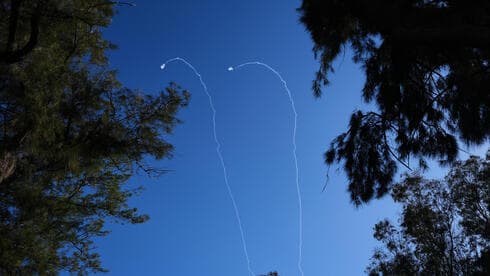
Israel begins its long-planned ground invasion of Lebanon
Key Takeaways
- Israel begins limited, targeted ground operations in southern Lebanon against Hezbollah.
- The operations aim to strengthen forward defenses along Israel’s northern border.
- Fighting centers on Khiam and other border towns with Hezbollah.
Ground Invasion Launch
Israel has launched a significant ground invasion of Lebanon, marking a major escalation in the ongoing conflict between the Israeli military and Hezbollah.
“The Israeli military says its troops have launched ‘limited and targeted ground operations‘ in southern Lebanon as fighting against Hezbollah intensifies around the strategic southern town of Khiam”
The IDF announced the beginning of 'limited and targeted ground operations' against Hezbollah strongholds in southern Lebanon, with troops from the 36th and 91st Divisions now operating in areas previously not occupied.

According to Israeli officials, this represents the largest operation in Lebanon since 2006, with plans potentially involving up to 450,000 reservists.
The military stated that prior to ground operations, extensive airstrikes and artillery barrages were conducted to 'mitigate threats in the operational environment.'
The invasion comes after weeks of intensifying Israeli attacks on Lebanese territory, which had already displaced hundreds of thousands of civilians and destroyed critical infrastructure including bridges and roads connecting southern Lebanon to the rest of the country.
Strategic Objectives
The strategic objectives of Israel's ground invasion appear to extend beyond limited border operations, with senior officials explicitly drawing parallels to the Gaza campaign.
One senior Israeli official bluntly told Axios, 'We are going to do what we did in Gaza,' explaining that the goal is 'to take over territory, push Hezbollah's forces north and away from the border, and dismantle its military positions and weapons depots in the villages.'

This suggests an intention to establish a permanent military presence in southern Lebanon, potentially replicating the 'security zone' that Israel maintained through its proxy South Lebanon Army from 1978 until 2000.
The IDF has focused on strategic locations including the hilltop city of Khiam, which controls key routes leading toward the Israeli border and could disrupt Hezbollah's supply lines to fighters in south Lebanon.
Military operations have concentrated on establishing a 'forward defensive posture' while systematically targeting what Israel describes as 'terrorist infrastructure' across southern Lebanon.
Humanitarian Crisis
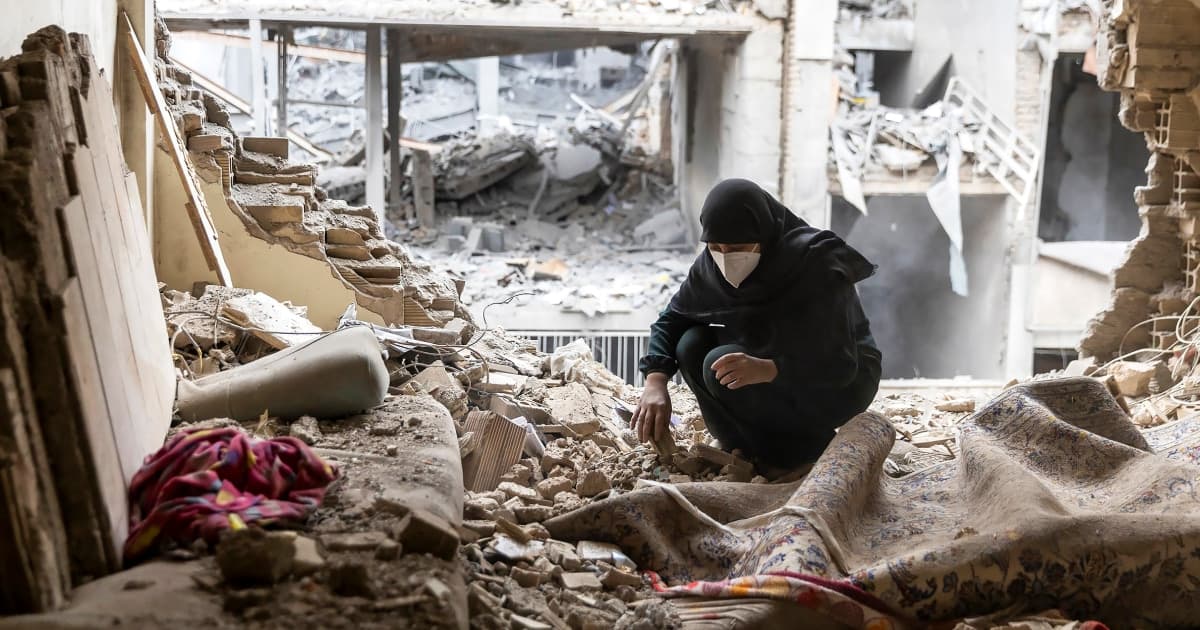
The ground invasion has triggered a catastrophic humanitarian crisis in Lebanon, with displacement reaching unprecedented levels.
“This activity is part of broader defensive efforts to establish and strengthen a forward defensive posture, which includes the dismantling of terrorist infrastructure and the elimination of terrorists operating in the area, to create an additional layer of security for residents of northern Israel,” the Israel Defense Forces (IDF) said on X”
The Lebanese government reports that over one million people have been displaced by the Israeli offensive and mass evacuation orders, with UN estimates ranging between 750,000 and nearly one million displaced individuals.
This represents a massive humanitarian catastrophe unfolding as Israel has issued evacuation warnings for wide areas extending more than 40 kilometers from its border.
Defense Minister Israel Katz has warned that displaced Lebanese civilians would not be allowed to return home 'south of the Litani area until the safety of residents in the north (of Israel) is guaranteed,' suggesting a prolonged occupation of southern territory.
The combination of air strikes, artillery barrages and ground invasion is destroying infrastructure, displacing massive sections of the population and creating conditions of famine, disease and social collapse reminiscent of Gaza, according to humanitarian organizations warning of severe humanitarian consequences.
International Response
International condemnation and diplomatic efforts have intensified as the ground invasion unfolds, with multiple world leaders warning of severe consequences and attempting to mediate a ceasefire.
The leaders of the UK, France, Germany, Italy and Canada issued a joint statement warning that a significant Israeli ground offensive would have 'devastating humanitarian consequences' and that it 'must be averted.'
UN Secretary-General António Guterres has appealed for an immediate ceasefire to end 'the horrible suffering of the Lebanese people.'
Turkey condemned the Israeli ground operation, saying it was 'worsening instability in the region' and warning of 'another humanitarian catastrophe' in the Middle East.
German Chancellor Friedrich Merz urged Israel to 'not take this path, it would be an error,' also warning of the humanitarian consequences of a ground offensive.
Diplomatic efforts included French President Emmanuel Macron offering to host talks between Israel and Lebanon, with reports of a detailed French plan for negotiations on a ceasefire and disarming Hezbollah that would require the Lebanese government to formally recognize Israel.
However, these talks were reportedly postponed after Israel pulled back from the plan, with Israeli cabinet minister Zeev Elkin stating that Israel would not compromise on disarming Hezbollah.
Regional Context
The timing and character of Israel's ground invasion cannot be understood apart from the broader regional strategy being executed by US imperialism and its Israeli ally, particularly in the context of the ongoing US-Israeli military campaign against Iran.
“and Israel entered its third week”
The offensive comes as Iran and Iran-affiliated groups have struck targets in at least a dozen countries throughout the Middle East and beyond in response to the joint US-Israeli military operation against Iran.

The Trump administration has been urging the world to join the fight, with all U.S. diplomats directed to tell foreign governments that they 'must move expeditiously to diminish the capabilities of Iran' because of an 'elevated risk of attack' on their own countries.
Israeli commanders have told news media they intend to conclude the campaign by significantly degrading Iran's regional position, implicitly presenting Lebanese territory as a battlefield in the war against Tehran.
Israel's ground invasion of Lebanon is being perpetrated with the full military, political and diplomatic backing from the Trump administration, which has openly welcomed the illegal Lebanese invasion into its expanding regional war against Iran.
Civilian Impact
The ground invasion has been accompanied by numerous reports of strikes on civilian infrastructure and medical personnel, raising serious concerns about violations of international law.
The Lebanese health ministry accused Israel of violating international law by repeatedly targeting ambulance crews while they performed their duties, following an attack that killed 12 doctors, paramedics and nurses at an IHS-run primary healthcare center.
In one incident, NNA reported that the first strike had hit a house, killing one person, and when an ambulance from the Hezbollah-linked Islamic Health Society (IHS) arrived at the site, there was another strike that killed two paramedics.
A third paramedic was killed in a strike on a civil defense center belonging to the IHS in Yater.
The Israeli military has claimed that Hezbollah was using ambulances for military purposes - an allegation the health ministry denied.
Multiple strikes have also targeted bridges and roads that connect southern Lebanon to the rest of the country, further isolating the region and hindering humanitarian access.
These attacks appear designed to degrade the conditions of life in south Lebanon and cut off supply lines, while also undermining the healthcare system that civilians depend on for survival.
More on Lebanon
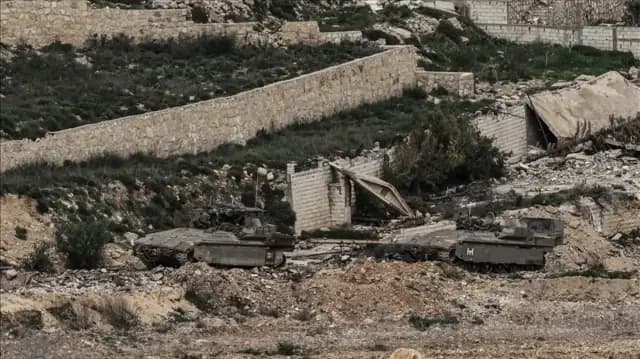
Israel Expands Ground Offensive in Southern Lebanon, Kills Hezbollah Operatives
10 sources compared

Hezbollah Fires 200 Rockets at Israel From Lebanon
17 sources compared

Israel bombs Beirut residential building after evacuation warning
15 sources compared
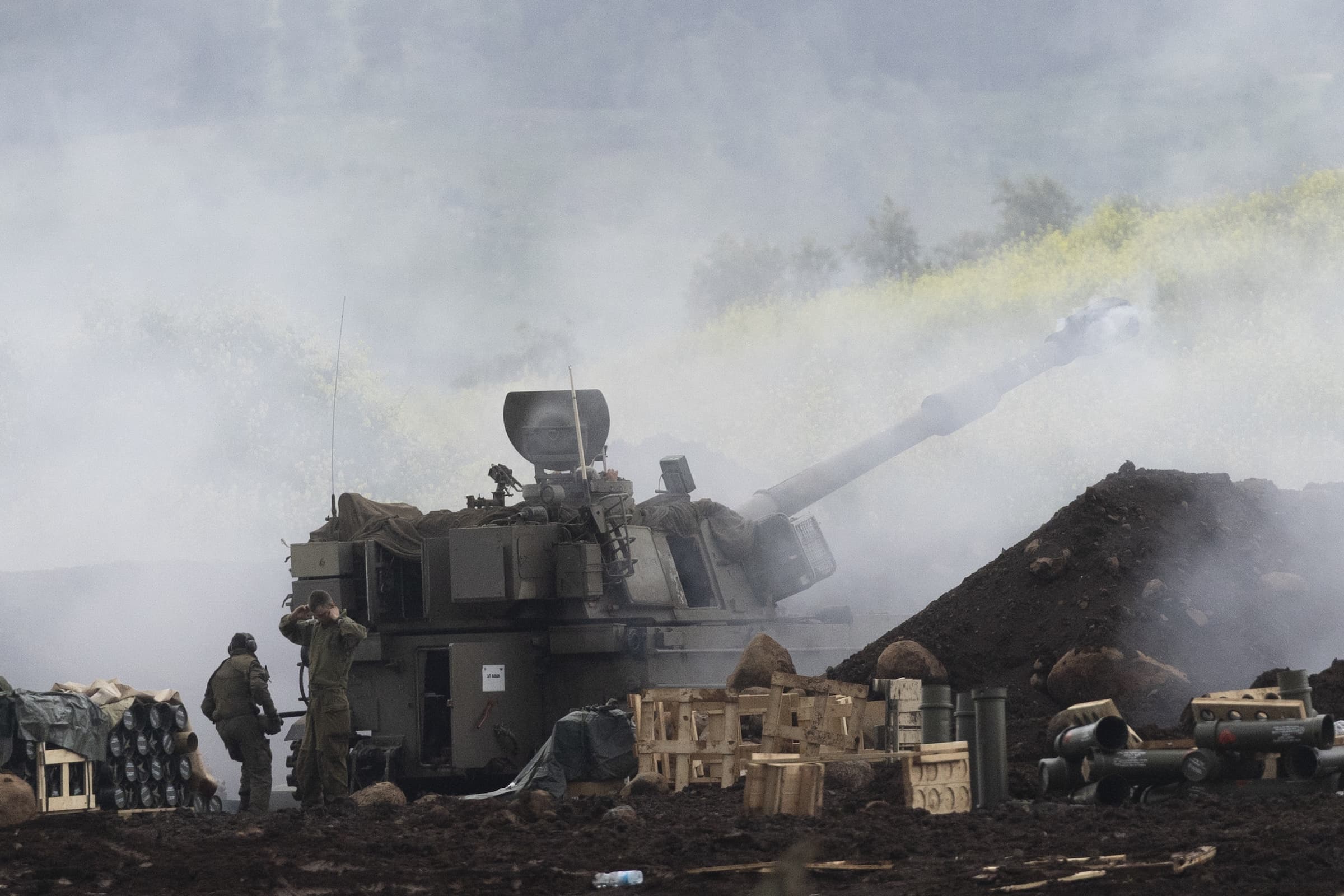
Israel Launches Ground Operation in Southern Lebanon to Target Hezbollah
10 sources compared