
Israel bombs Beirut residential building after evacuation warning
Key Takeaways
- Israeli airstrike flattened a central Beirut residential building after evacuation warning.
- Six people killed and dozens injured in the Zuqaq al-Blat district.
- Occurs amid broader Middle East hostilities involving Iran-backed groups and Israel.
Beirut Bombing Overview
Israeli forces conducted airstrikes on residential buildings in central Beirut on March 18, 2026, following evacuation warnings.
“BREAKING Many killed as Israel bombs central Beirut, south LebanonQatar, Kuwait, UAE, Saudi Arabia intercept missiles, dronesIran launches 'revenge' attacks on Israel, kills 2, causes extensive damage Click to pause breaking news tickerpause-square-backgroundClose Breaking News Tickerclose Toggle Play Israeli air strike flattens residential building in Beirut Video shows the moment a residential building collapsed in Beirut after an Israeli air strike, following an evacuation warning in the city’s central district”
The attacks targeted multiple neighborhoods including Bachoura, Zuqaq al-Blat, and Basta, with the Bachoura building being completely flattened.
These strikes represented an escalation in the conflict that had been intensifying since March 2, when Hezbollah launched rockets into northern Israel.
The escalation was triggered by the killing of Iran's Supreme Leader Ayatollah Ali Khamenei in US-Israeli strikes on February 28.
Evacuation Tactics
The Israeli military employed evacuation warnings as a tactic to notify residents before striking, though these warnings often came with little time to respond.
In the Bachoura neighborhood, residents were warned to evacuate before the building was completely destroyed, marking the fourth attack on the same structure after three earlier strikes on March 12.
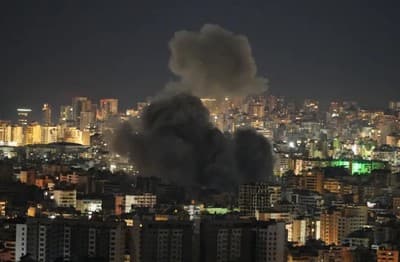
The Israeli army claimed the targeted building was used by Hezbollah to store large sums of money intended to finance its activities, though no evidence was publicly provided.
The strikes in central Beirut represented a geographic shift from the southern suburbs, which had been the primary focus of earlier Israeli operations.
Casualties and Damage
The Israeli airstrikes resulted in significant civilian casualties and widespread destruction across Beirut's residential areas.
“Dozens of people were killed and injured on Wednesday when Israel carried out several strikes on apartments in Beirut”
Lebanese authorities reported that at least six people were killed and 24 others wounded in the strikes on central Beirut's residential neighborhoods.
Human remains were recovered from the bombed sites, requiring DNA testing to determine victim identities.
The attacks struck areas far from Beirut's southern suburbs that had received earlier evacuation notices, indicating a broader targeting strategy.
The strikes were part of a wider wave of Israeli operations across Lebanon that killed at least 20 people and wounded 24 on that day alone.
International Response
The international community expressed growing concern over the Israeli strikes on residential buildings in Beirut.
The United Nations warned that such attacks may constitute war crimes under international humanitarian law.

A UN human rights office spokesperson stated that deliberately targeting civilians or civilian objects 'amounts to a war crime', while noting that large-scale displacement orders could also violate international law.
The strikes occurred amid a wider conflict that had killed more than 912 people in Lebanon, including 111 children, and displaced over one million people since March 2.
German Chancellor Friedrich Merz criticized Israel's ground offensive in Lebanon as an 'error' that could worsen the humanitarian situation.
More on Lebanon

Israel begins its long-planned ground invasion of Lebanon
13 sources compared
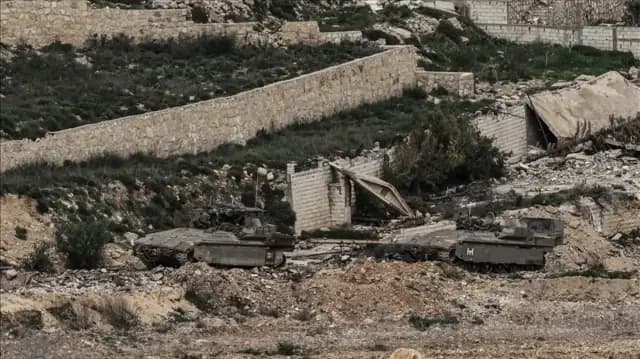
Israel Expands Ground Offensive in Southern Lebanon, Kills Hezbollah Operatives
10 sources compared

Hezbollah Fires 200 Rockets at Israel From Lebanon
17 sources compared
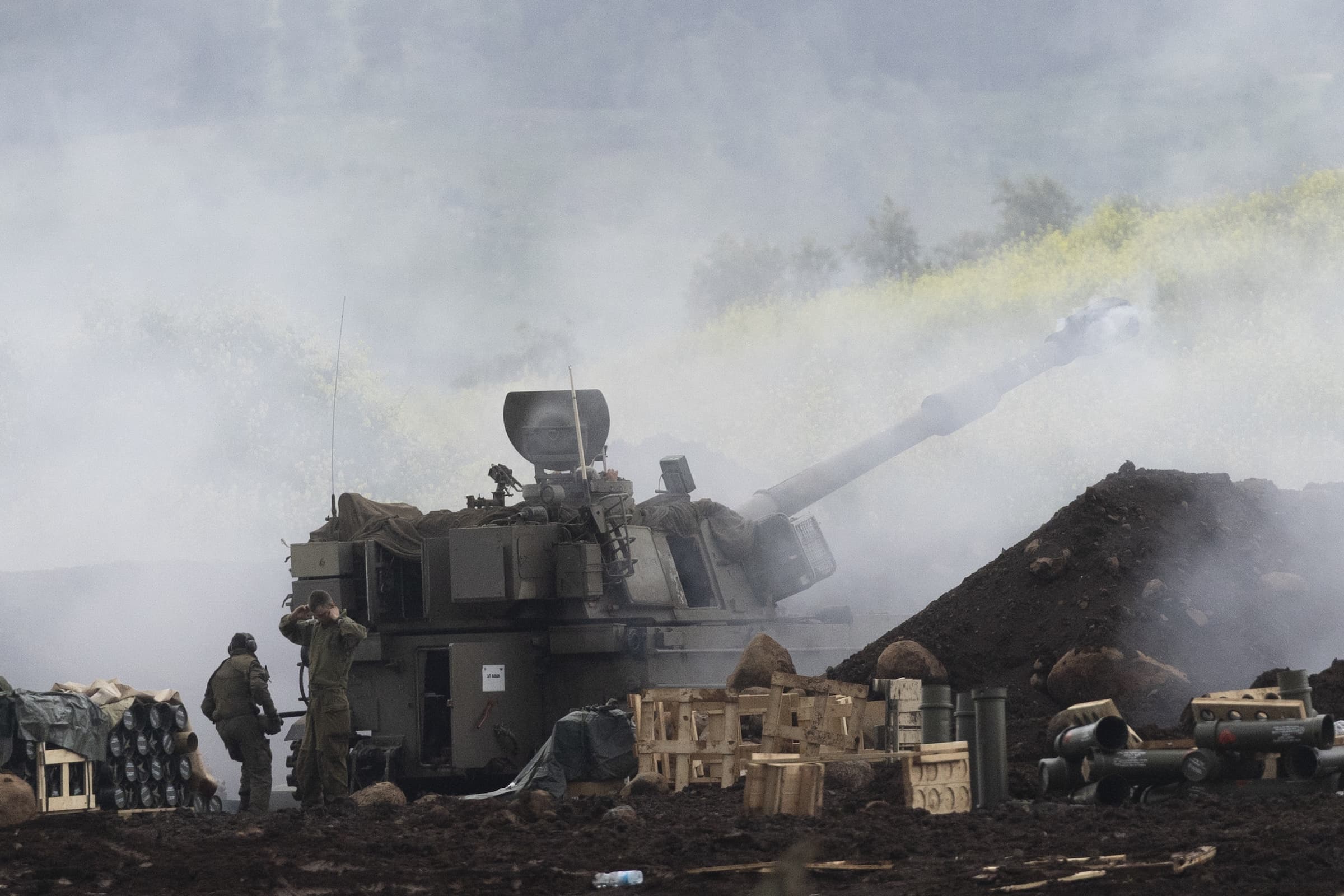
Israel Launches Ground Operation in Southern Lebanon to Target Hezbollah
10 sources compared