Israel Expands Ground Offensive in Southern Lebanon, Kills Hezbollah Operatives
Key Takeaways
- Israel expands ground operations in southern Lebanon, with 36th Division joining the 91st Division.
- Canada, UK, France, Germany and Italy warn against major Lebanon ground offensive.
- Displacement in Lebanon exceeds a million amid humanitarian crisis.
Military Expansion
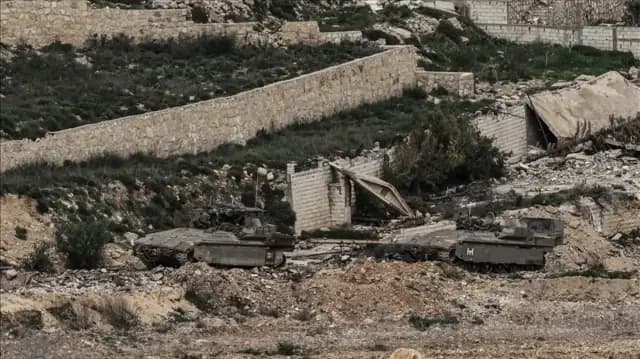
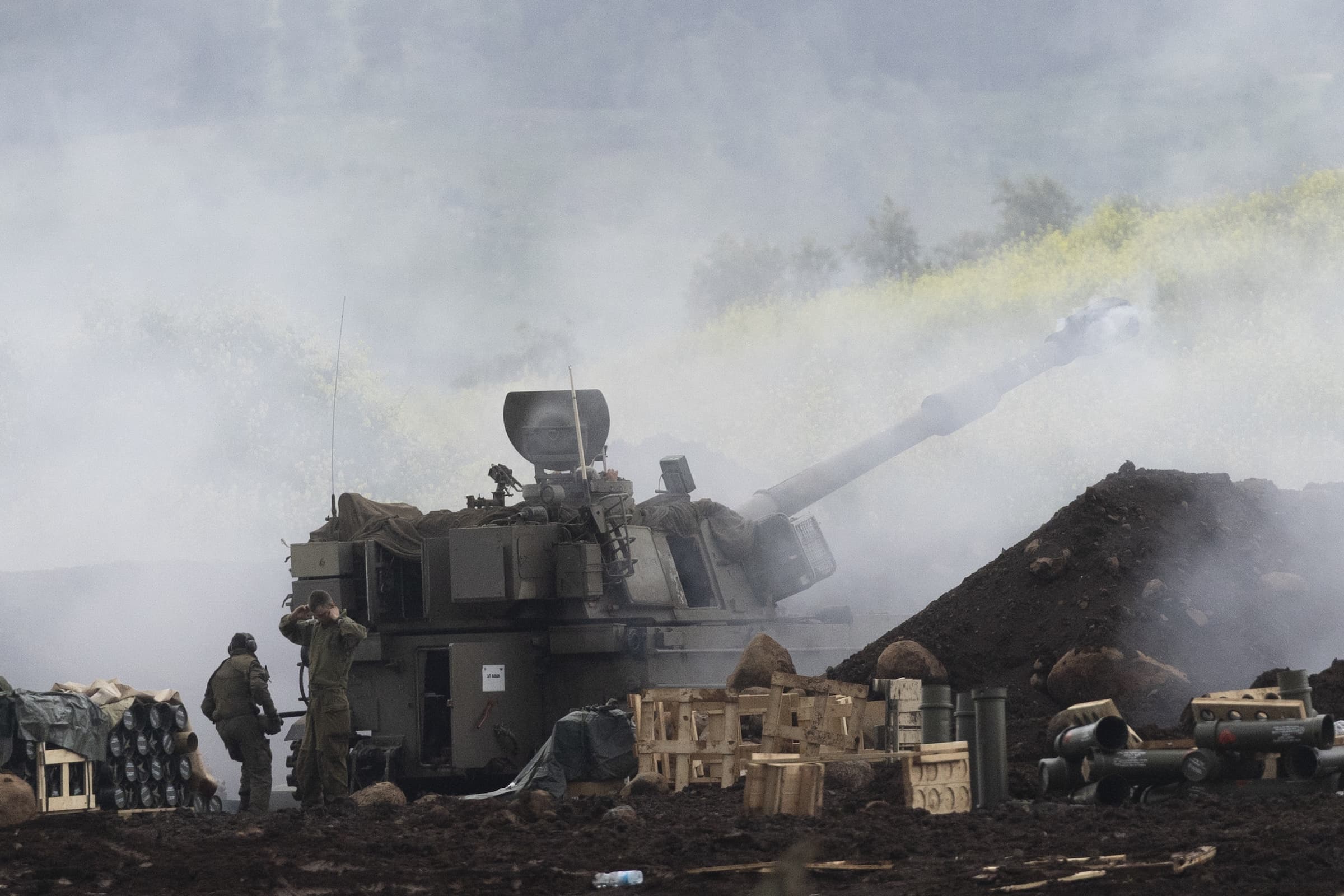
Israel has significantly expanded its ground offensive in southern Lebanon, deploying additional military divisions and intensifying operations against Hezbollah targets.
“The Israeli army announced this morning, Tuesday, that it is expanding its ground operations in southern Lebanon, with the 36th Division joining alongside the 91st Division, as part of what it calls the military operation against Hezbollah”
The Israeli military announced the expansion with the 36th Division joining alongside the 91st Division in what they describe as military operations against Hezbollah strongholds.

These ground maneuvers were preceded by heavy bombardment targeting multiple locations across southern Lebanon, including concentrated airstrikes and artillery shelling aimed at rocket launch sites and what the army called strategic weapons storage facilities.
Military officials stated the operations are part of a broader phase aimed at removing 'immediate threats' near the border to allow residents of northern Israeli settlements to return home.
The Israeli army emphasized that troops have begun 'clearing operations' in border areas to eliminate Hezbollah presence, with the military leadership stressing that the campaign will continue until all operational objectives are achieved.
Hezbollah Retaliation
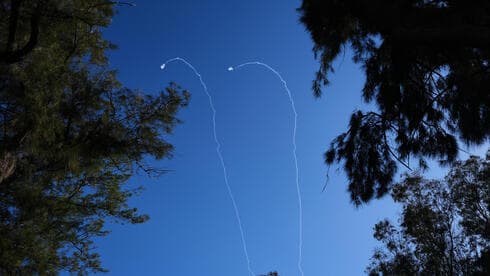
In response to Israeli ground operations, Hezbollah has continued launching attacks against northern Israel, including rockets and attack drones targeting the city of Nahariya.
The Iran-backed militant group claimed responsibility for these strikes, stating they targeted Israeli troops and vehicles in at least three Lebanese border towns.
Israeli emergency responders reported treating a man 'in mild to moderate condition suffering from blast injuries' and six other people for smoke inhalation following Hezbollah's attack.
Military sources quoted by Israel's public broadcaster KAN confirmed the impact was caused by a rocket, while paramedic Yonatan Avilea described the strike hitting between two buildings, sparking a blaze.
Hezbollah's attacks come amid the group's stated aim to avenge the killing of Iranian Supreme Leader Ayatollah Ali Khamenei, who was killed on the first day of U.S. and Israel's war on Iran, drawing the wider region into the escalating conflict.
Humanitarian Crisis
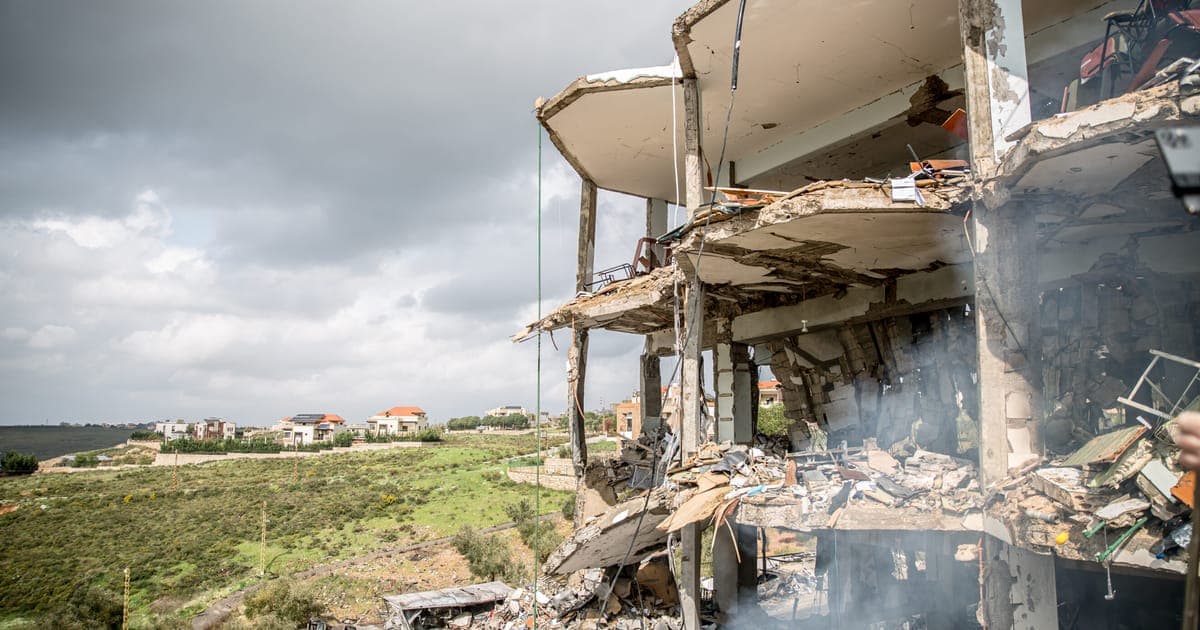
The escalating conflict has created a severe humanitarian crisis in Lebanon, with mass displacement and significant civilian casualties reported across the country.
“Gift this articleShare to FacebookPrint article Article printing is available to subscribers only Print in a simple, ad-free format Subscribe Comments: SaveZen Reading Zen reading is available to subscribers only Ad-free and in a comfortable reading format Subscribe”
Lebanese authorities report that Israeli attacks since March 2 have killed 886 people, including 111 children, with more recent figures suggesting nearly 900 total deaths.
Over one million people have been displaced from their homes, representing approximately a quarter of Lebanon's population, with 132,000 currently staying in collective shelters.
The United Nations and other international organizations have expressed grave concern about the deteriorating conditions, particularly as shelter capacity becomes increasingly overwhelmed.
Israeli forces have issued broad evacuation orders covering more than 40 kilometers of the southern Lebanese border, forcing additional civilians to flee their homes amid ongoing airstrikes and artillery shelling that have targeted residential areas, infrastructure, and what Israeli authorities describe as Hezbollah military positions.
International Response
International community leaders have issued strong warnings and condemnations regarding Israel's expanding ground offensive, expressing grave concerns about potential humanitarian catastrophe and regional destabilization.
In a joint statement, the leaders of Canada, France, Germany, Italy and the United Kingdom warned that 'a significant Israeli ground offensive would have devastating humanitarian consequences and could lead to a protracted conflict,' emphasizing that 'it must be averted.'
Türkiye condemned the Israeli ground operation, stating it was 'worsening instability in the region' and warning of 'another humanitarian catastrophe' in the Middle East.
The Western leaders also expressed support for Lebanese government efforts to disarm Hezbollah, though they noted the group had previously refused Beirut's proposal to disarm.
Diplomatic efforts remain uncertain, with mixed signals from Israeli leadership about potential negotiations even as military operations intensify, creating a complex situation where humanitarian concerns clash with security objectives on multiple fronts.
Military Strategy
The Israeli military has emphasized the strategic objectives of its ground operations while simultaneously reinforcing its defensive posture along the northern border.
““The European Union’s indifference and acquiescence in the face of U”
Military chief Eyal Zamir announced that the army was 'reinforcing the Northern Command with additional troops in order to strengthen the forward defensive posture,' indicating a prolonged military commitment to the region.
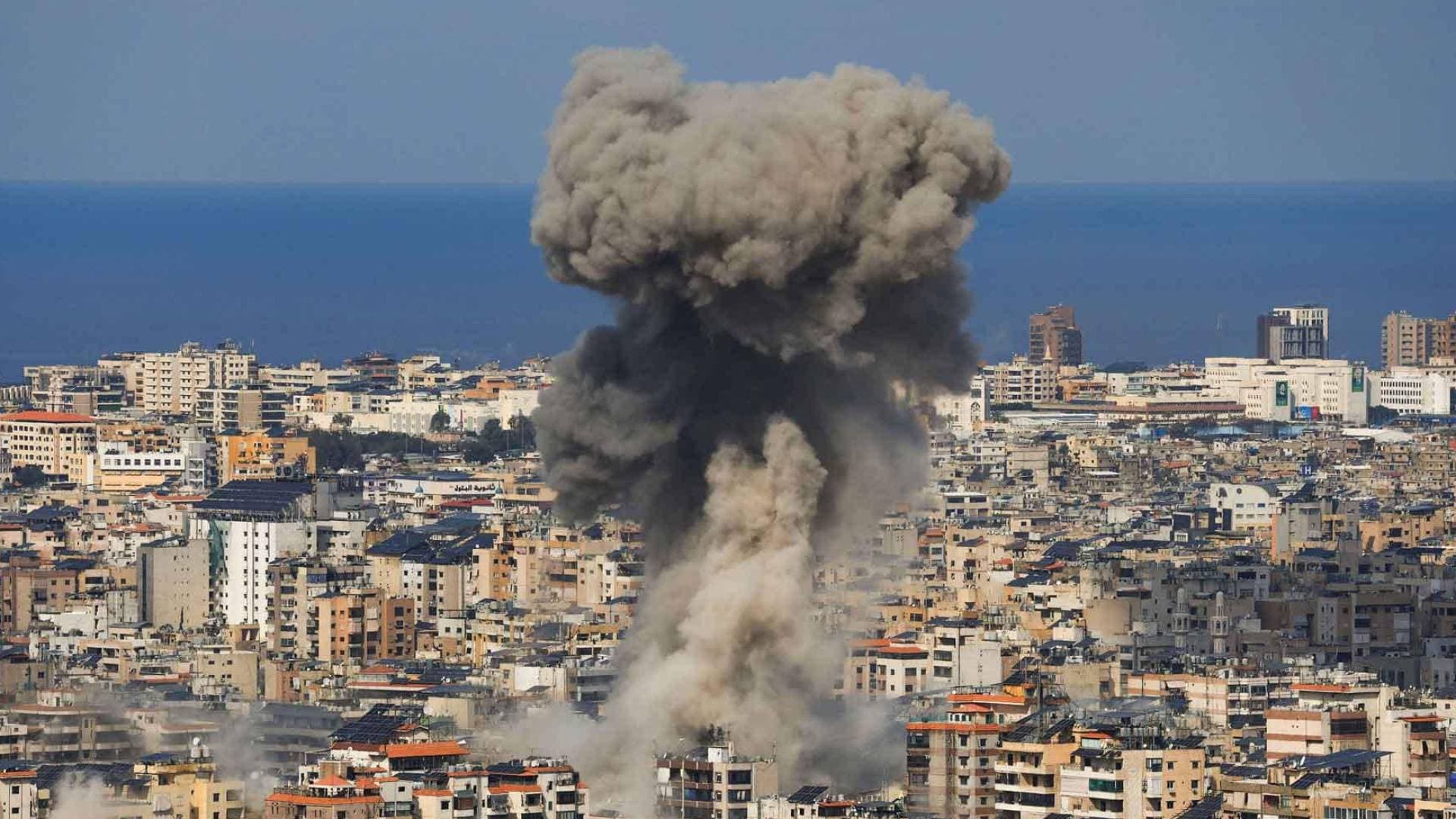
Israeli forces have claimed to have killed 'more than 400 terrorists' in their latest war with Hezbollah, though these figures remain unverified and contested by independent observers.
The military leadership has stressed that forces would maintain heavy firepower to prevent attacks on territories controlled by Israel, signaling that the escalation along the Lebanese front is likely to persist in the coming days.
Israeli radio confirmed that the army will seek government approval to raise the number of reserve forces to 450,000 soldiers, indicating preparations for potentially expanded military operations as the conflict shows no signs of immediate de-escalation.
More on Lebanon
Israel begins its long-planned ground invasion of Lebanon
13 sources compared

Hezbollah Fires 200 Rockets at Israel From Lebanon
17 sources compared

Israel bombs Beirut residential building after evacuation warning
15 sources compared
Israel Launches Ground Operation in Southern Lebanon to Target Hezbollah
10 sources compared