Lebanon16 March, 20264 min read
Israel Launches Ground Operation in Southern Lebanon to Target Hezbollah
Israel launches limited, targeted ground operation in southern Lebanon against Hezbollah. Operation aims to dismantle Hezbollah infrastructure and strengthen forward defense along the border.
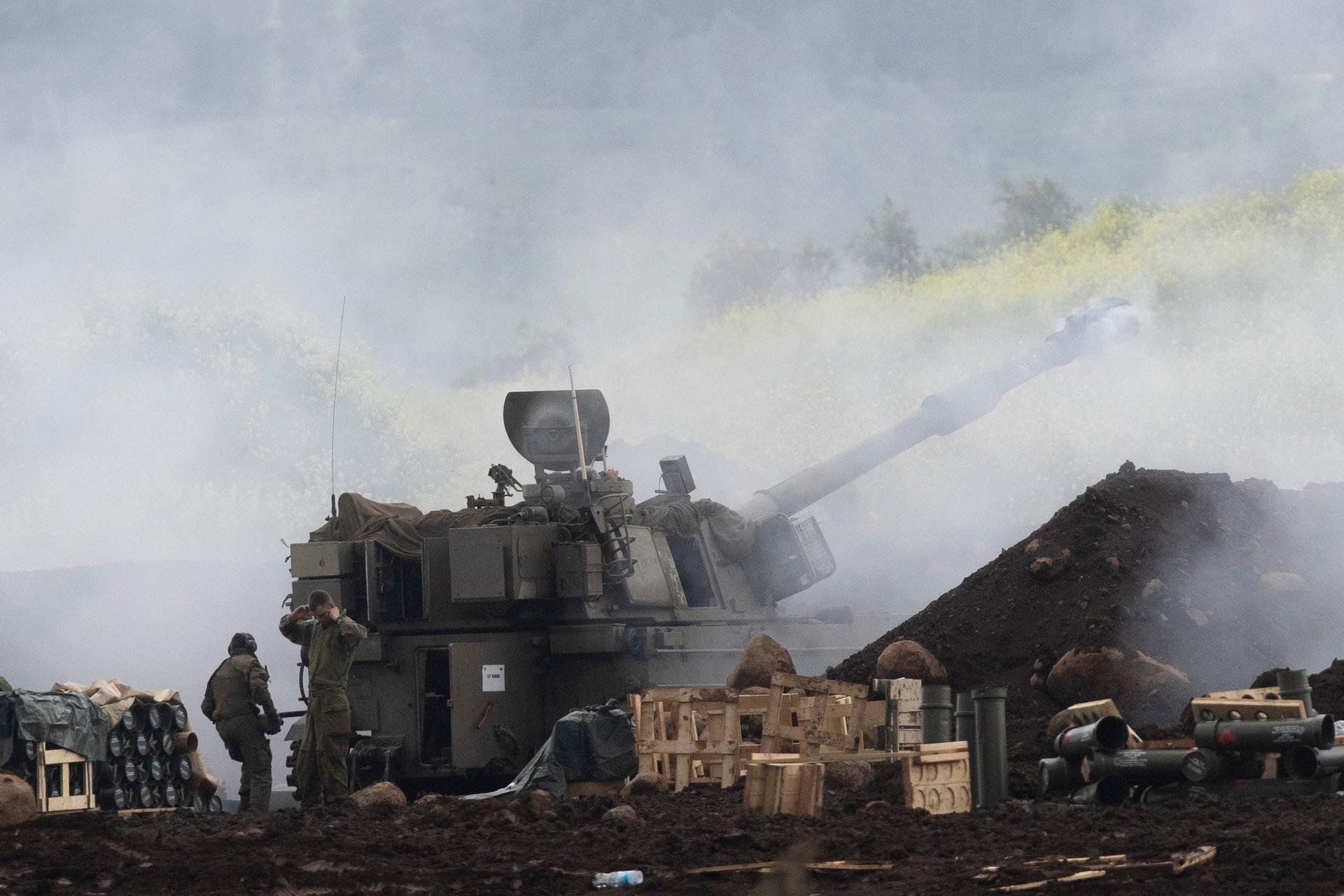
Ground Operation Launch
Israel launched a ground operation in southern Lebanon targeting Hezbollah forces, with the Israel Defense Forces (IDF) announcing Monday that troops from the 91st Division had begun 'limited and targeted' ground operations. According to the IDF statement, these operations are designed to 'dismantle terrorist infrastructure and eliminate terrorists operating in the area' to 'remove threats and create an additional layer of security for residents of northern Israel.'
“The Israel Defense Forces (IDF) announced Monday that troops from the 91st Division have begun a limited ground operation in southern Lebanon aimed at removing threats and strengthening security for communities in northern Israel.’This operation is part of the effort to establish forward defense, including the destruction of terror infrastructure and the elimination of terrorists operating in the area, to remove threats and create an additional layer of security for residents of the north,’ the military said in a statement.”
IDF spokesperson Lt Col Nadav Shoshani confirmed that Israeli soldiers are now operating in 'new locations' they were not in the previous day, indicating an expansion of the military presence. Israeli Defense Minister Israel Katz has explicitly stated that displaced Lebanese civilians would 'not return to areas south of the Litani line until the safety of northern residents is ensured,' suggesting an extended military presence in the region.

Hezbollah Activities
The IDF has characterized Hezbollah's activities as intensifying military operations, with Col. Nadav Shoshani stating that the group has intensified its military activities in southern Lebanon, including 'launching large numbers of rockets toward Israel and deploying fighters from the group's elite Radwan unit.'
According to Israeli officials, Hezbollah has been launching approximately 100 rockets daily since March 2, following the killing of Iran's supreme leader Ali Khamenei, along with more than 100 drones over the entire period.
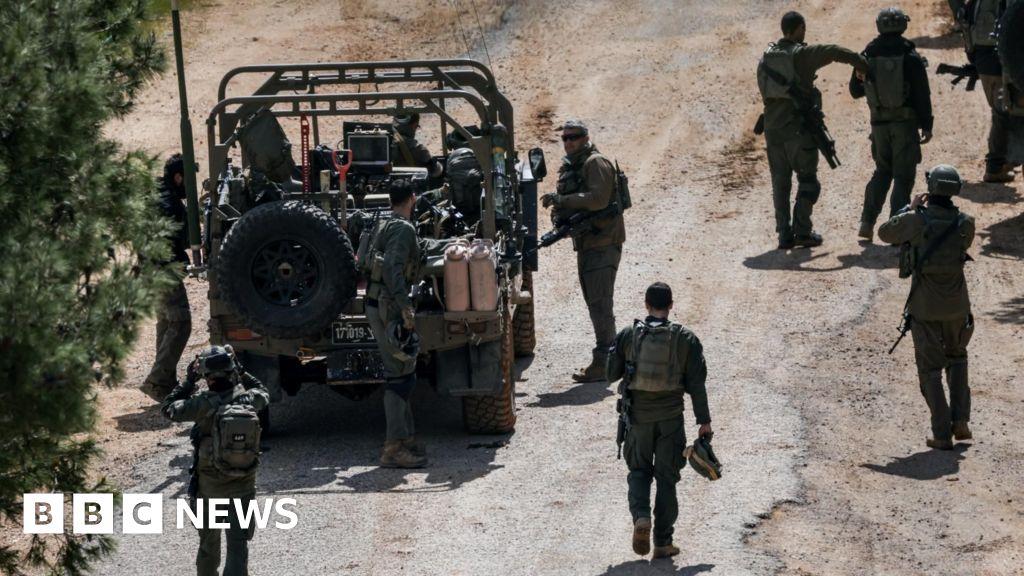
The IDF claims Hezbollah is launching most of its attacks from deeper within southern Lebanon, rather than from close to the border.
In response to these perceived threats, Israeli forces conducted airstrikes on bridges and major roads linking southern Lebanon with other parts of the country, a move observers say further restricts civilian movement and humanitarian access to the region.
Civilian Impact
The Israeli military escalation has resulted in significant civilian displacement and casualties in Lebanon. Lebanese authorities report that Israeli attacks have killed at least 850 people and forced more than 830,000 residents to flee their homes, with the UN stating that Israel has forcibly displaced 800,000 people thus far.
“Since the conflict intensified earlier this month, Israel has issued evacuation warnings across large parts of southern Lebanon, covering areas extending more than 40 kilometers from the border. Lebanese authorities say Israeli attacks have killed at least 850 people and forced more than 830,000 residents to flee their homes.”
The conflict has created a 'humanitarian catastrophe,' according to UN officials, with thousands taking shelter in makeshift shelters or on the streets.
Israel has issued evacuation orders covering areas extending more than 40 kilometers from the border, almost doubling the size of the evacuation zone from the Litani river to the Zahrani river.
The attacks have targeted civilian infrastructure, including residences, healthcare centers, and the capital of Beirut.
In one incident, Israeli strikes killed four people including two children in the town of Qantara, and when an ambulance arrived at the site, another strike killed two paramedics and wounded a third, according to Lebanon's state-run National News Agency.
International Response
International community reactions to the Israeli ground operation have been mixed, with Western leaders warning of devastating humanitarian consequences while diplomatic efforts continue. The leaders of the UK, France, Germany, Italy and Canada released a joint statement warning that a significant Israeli ground offensive would have 'devastating humanitarian consequences' and that it 'must be averted.' UN Secretary-General António Guterres has appealed for an immediate ceasefire to end 'the horrible suffering of the Lebanese people.'
Meanwhile, diplomatic channels remain active, with France's President Emmanuel Macron stating his country was ready to host peace talks in Paris, and Reuters and Haaretz reporting that Israel and Lebanon were preparing for direct talks. However, these talks appear to have been postponed after Israel pulled back from the French proposal, which would have required Lebanon to formally recognize Israel.

Israeli cabinet minister Zeev Elkin stated 'Lebanon has to choose: will it remain hostage to Iranian interests or will it disarm Hezbollah?' Lebanon's foreign ministry has banned Hezbollah's military activities and made clear that 'no armed group operating outside the authority of the state' would be allowed to plunge the country into chaos.
Strategic Expansion
The Israeli ground operation appears to be part of a broader strategic expansion with potential long-term implications for the region. Reports indicate that Israel is planning a massive expansion of its ground invasion of Lebanon with the goal of seizing the entire area south of the Litani River, which is protected under a UN Security Council resolution as part of a decades-old ceasefire agreement and makes up about 8 percent of Lebanon's area. A senior Israeli official told Axios that the military is 'going to do what we did in Gaza,' with plans to 'take over territory, push Hezbollah's forces north and away from the border, and dismantle its military positions and weapons depots in the villages.'
“Axios reported last week that Israel is planning a massive expansion of its ground invasion of Lebanon with the goal of seizing the entire area south of the Litani River. This area is protected under a UN Security Council resolution as part of a decades-old ceasefire agreement, and makes up about 8 percent of the area of the country. A senior Israeli official told Axios the military is 'going to do what we did in Gaza.'”
According to Israeli state media KAN, plans to mobilize up to 450,000 reservists had also been drawn up. The strategic importance of the town of Khiam, located near the border where the demarcation of southern Lebanon by the Litani River and the 'Blue Line' that establishes Lebanon's southern border almost meet, has been highlighted by analysts who suggest Israel could use it strategically to advance military occupation and potentially cut off communication between parts of the occupied area.
