
Hezbollah Launches FPV Drones Toward Northern Israel After Israel-Lebanon Ceasefire
Key Takeaways
- Israel killed a senior Hezbollah commander in Beirut.
- Beirut suburbs hit by Israeli strikes, signaling ceasefire fragility.
- Ceasefire described as fragile by major outlets amid renewed hostilities.
Ceasefire, drone pressure
Since the ceasefire between Israel and Lebanon took effect in mid-last month, Hezbollah has continued launching First Person View (FPV) drones toward forces operating in the “Yellow Line” area and toward communities in northern Israel.
The FPV drones currently used by Hezbollah are based on fiber-optic guidance and have become the group’s main attack tool, with the ITIC review saying they cost only $300–$400 each.

In a review published by the Meir Amit Intelligence and Terrorism Information Center (ITIC), it was noted that Hezbollah operates makeshift production facilities in southern Lebanon and the Beqaa valley to assemble these small aerial vehicles.
The ITIC report said, “We assess that for this reason the use of drones is expected to continue and even expand while improving capabilities,” as it described FPV drones as enabling precise strikes at distances of tens of kilometers.
Trump urges surgical strikes
As the Israel-Lebanon ceasefire continues to fray and an expiry date in mid-May draws closer, WION says US President Donald Trump told Israeli Prime Minister Benjamin Netanyahu to limit military operations in Lebanon to “surgical” strikes.
In a telephonic interview with Axios, Trump said, “I told Netanyahu he has got to do it more surgically. Not knock down buildings. He can't do it. It is too terrible and makes Israel look bad,” while describing the concern as part of how Israel is perceived.
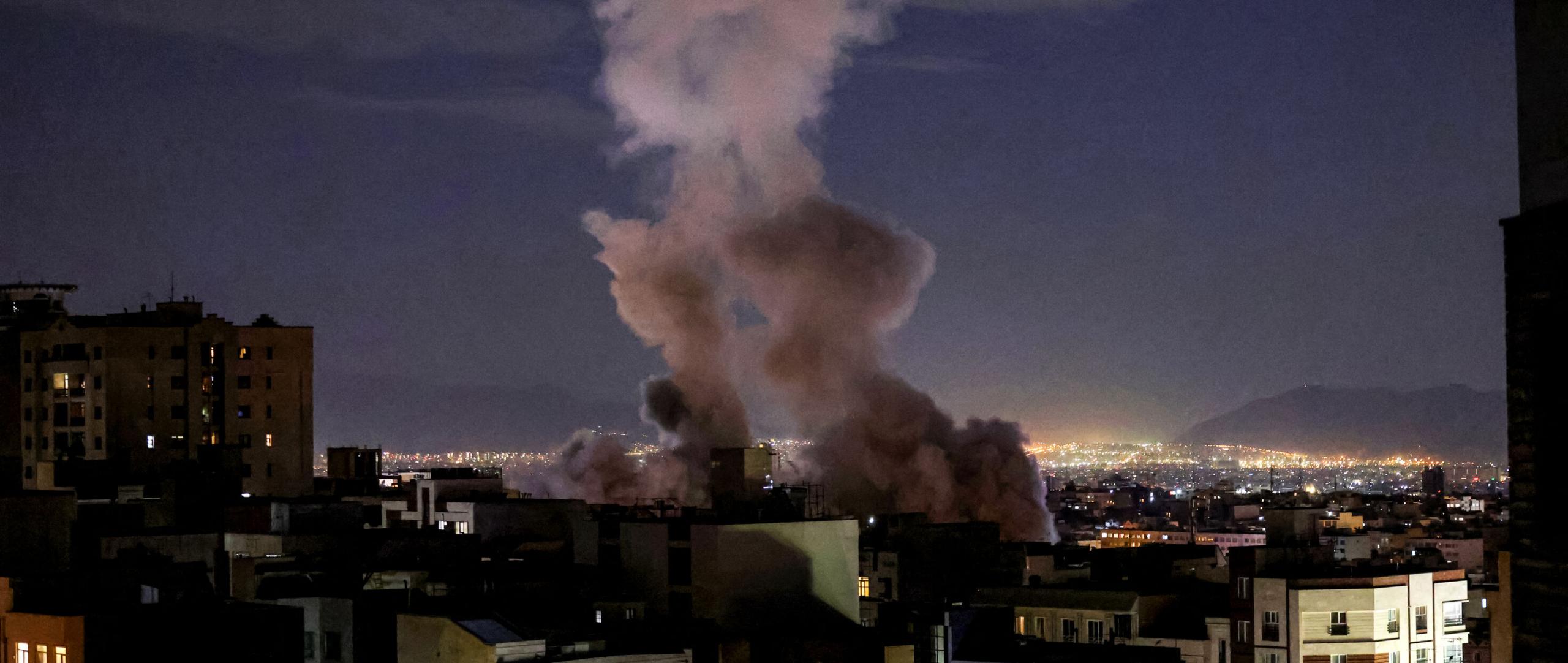
WION also quotes a US official framing Hezbollah as the aggressor, saying, “We cannot feasibly expect Israel to just take the hits. This is not the Biden administration.”
The same WION account says Washington has asked Israel to “show restraint” while a diplomatic track with Lebanon is given room to develop, even as Hezbollah continues rocket and drone strikes and Israel expands its airstrikes in Lebanon.
Ceasefire at risk
Amnesty International said the fragile, temporary ceasefires between the United States and Iran and between Israel and Lebanon must be replaced by an enduring, sustained, and comprehensive regional ceasefire to avoid further catastrophic civilian suffering.
“The fragile, temporary ceasefires, between the United States and Iran, and between Israel and Lebanon, must be replaced by an enduring, sustained, and comprehensive regional ceasefire that covers all countries affected by this conflict, to avoid further catastrophic civilian suffering and pave the way for justice, respect for international law and long-term human rights protection for all, Amnesty International said today”
Amnesty International’s Secretary General Agnès Callamard said, “There must be a durable and genuine ceasefire; this requires a full halt in armed hostilities by all parties, across all affected countries,” while warning that the latest ceasefire in Lebanon has led to a reduction but not an end in hostilities.
In Lebanon, Amnesty International said that since the ceasefire was announced, the Israeli military has remained on Lebanese territory and ordered residents in dozens of villages in border areas not to return, while it reported that “near daily air strikes and extensive destruction of civilian property in southern Lebanon” continued.
Arab News reported Hezbollah leader Naim Qassem saying, “There is no ceasefire in Lebanon, but a continuous Israeli-American aggression,” as he condemned Israel’s operations in Lebanon amid the fragile truce.
More on Lebanon

Israeli Troops Kill Two Men Near Nabatieh Al-Fawqa After Ceasefire Lull
11 sources compared
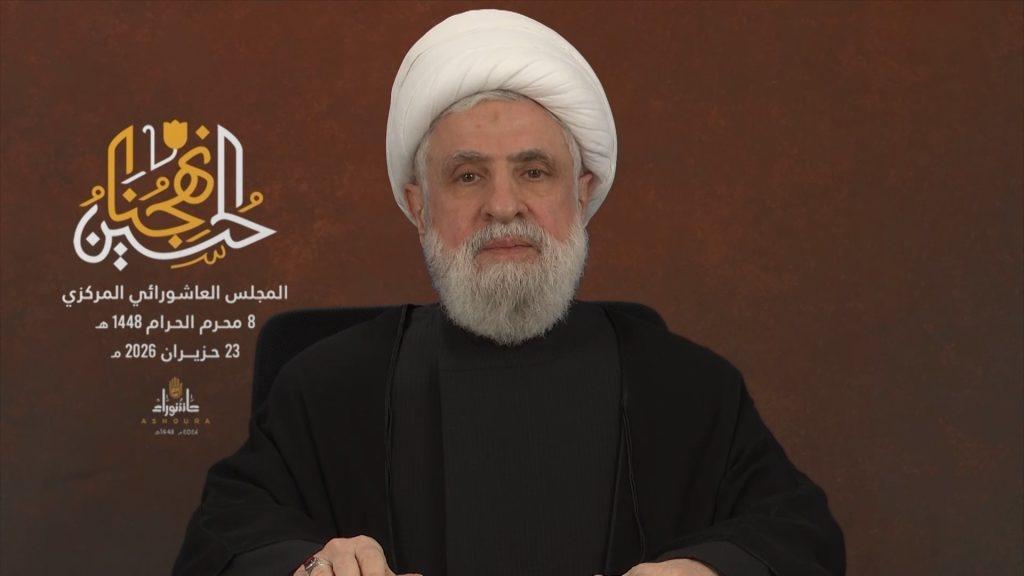
Hezbollah Chief Naim Qassem Demands Israel Fully Withdraw From All Lebanese Territory
13 sources compared
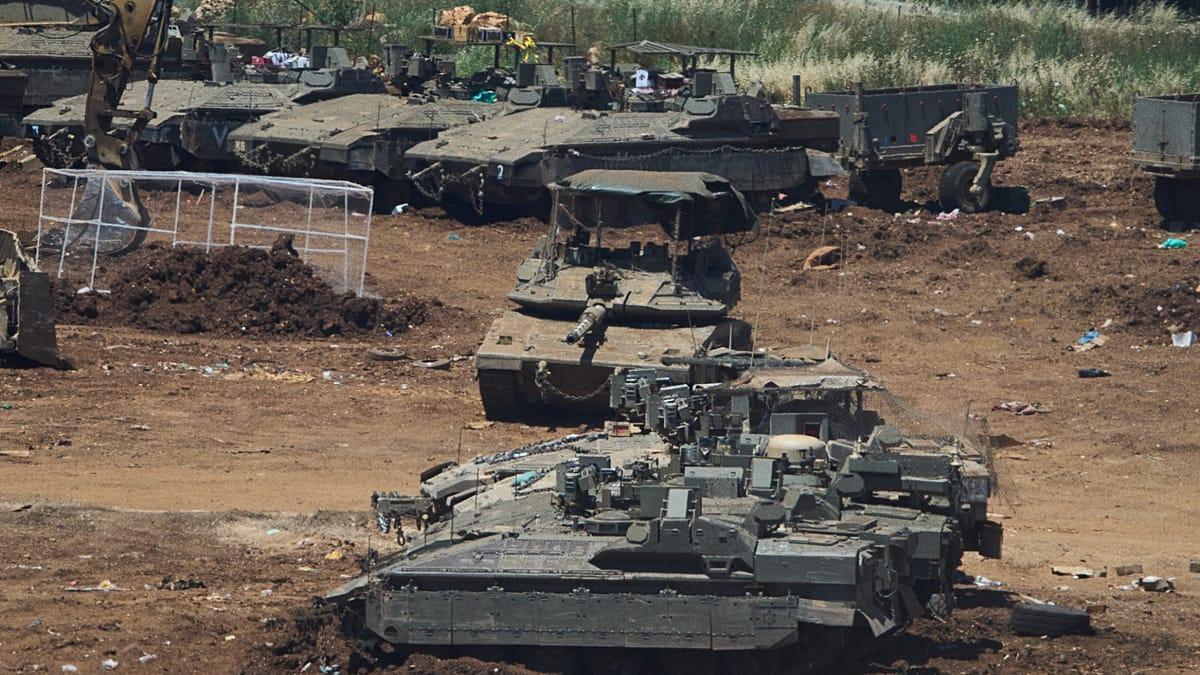
Israel’s Defense Minister Says Military Operations Will Continue After US-Mediated Lebanon Ceasefire
10 sources compared

Netanyahu Vows IDF Freedom Of Action In Southern Lebanon After US Ends Unrestricted Authorization
13 sources compared