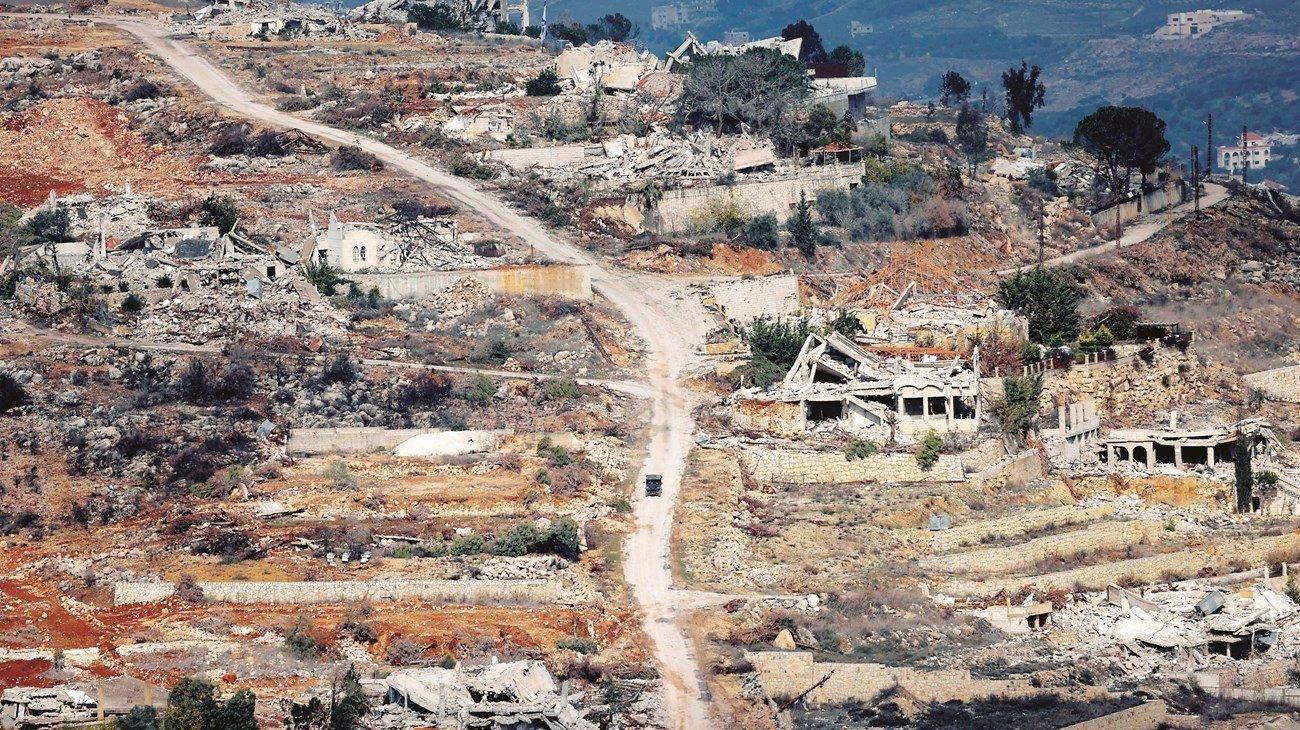
Hezbollah Rejects Israel-Lebanon Ceasefire Plan, Including Pilot Security Zones in Lebanon
Key Takeaways
- Hezbollah rejects the US-backed Israel-Lebanon ceasefire plan.
- Plan included security zones inside Lebanon.
- Israeli strikes continued in southern Lebanon after the announcement.
Ceasefire Rejected
Hezbollah rejected a renewed Israel-Lebanon ceasefire plan that included the creation of "pilot" security zones inside Lebanon where Hezbollah operatives would be banned and required Hezbollah to stop attacking Israel.
Hezbollah leader Naim Qassem said negotiations had been "futile" and "humiliating" for Lebanon, and rejected the plan categorically, while Lebanese President Joseph Aoun said the ceasefire "could be implemented within 24 hours of its final approval".

The agreement followed a partial ceasefire announced on Monday in which Lebanon said Israel would refrain from bombing Beirut in exchange for Hezbollah not attacking Israel, and it was reached after a fourth round of US-mediated talks in Washington.
In Beirut’s southern suburbs, a storekeeper named Sami said, "You cannot have a ceasefire from one side, it's going to be an all side or no ceasefire," as strikes were reported on Thursday.
Israeli Defence Minister Israel Katz said Israel would "for the time being, continue its fire and operations on the ground" to dismantle terrorist infrastructure in the area, and Lebanese media reported Israeli strikes on Thursday in the Bekaa Valley town of Sohmor and in Maaroub near Tyre.
Street Doubts and Lawmakers
On the first day of the ceasefire framework, CNN reported that Israeli forces and Hezbollah fighters launched strikes just hours after Israel and Lebanon agreed to implement a ceasefire hinging on an end to Hezbollah attacks.
CNN also reported that an Israeli soldier was killed by a Hezbollah anti-tank missile in southern Lebanon on Thursday afternoon, according to the Israeli military, while the House rejected a Democrat-led Lebanon war powers resolution on a 92-324 vote.

Trump said he had spoken to Hezbollah and Israeli Prime Minister Benjamin Netanyahu and claimed "progress has been made" in ending the fighting in Lebanon, while CNN said the US president told reporters he would be open to meeting with Iran’s new supreme leader if there’s an agreement to end the war.
In the BBC’s account of Beirut’s Dahieh, Sami said, "This is surrender. This is not a peace agreement. This is a surrender agreement," describing the mood as similar to earlier generations that saw no hope from the people in power.
The BBC also quoted Hadi, whose family store has been around for 35 years, saying, "My generation, my dad's generation, my grandpa's generation, they didn't see anything of hope from these people" as he questioned whether the agreement could bring change.
Zone Expansion and Unraveling
As the ceasefire plan faced rejection, WION reported that Israeli airstrikes killed eight people in Lebanon on Thursday, with the health ministry saying five were killed in an Israeli strike in eastern Lebanon and three more died in an attack near the southern city of Tyre.
WION said Hezbollah leader Naim Qassem rejected the truce proposal, insisting that any agreement must include a complete ceasefire and a full Israeli withdrawal from Lebanese territory, and he warned that northern Israel would remain vulnerable if hostilities continued.
In a separate escalation, صوت الإمارات reported that the Israeli army announced on Thursday morning that all areas south of the Nahr al-Zahrani River, extending about 40 kilometers north of the Lebanese-Israeli border, were classified as a war zone and that residents were urged to evacuate immediately.
The same report said the Israeli army spokesperson in Arabic, Avichai Adra'i, justified the decision on X by what he described as repeated violations of the ceasefire by Hezbollah and said the Israeli army will respond with force.
Against that backdrop, The Guardian said European fashion retailers faced scrutiny after a deadly Bangladesh factory fire, but in Lebanon-focused reporting the BBC’s framing and CNN’s reporting both tied the ceasefire’s future to whether Hezbollah would halt attacks and withdraw from areas south of the Litani River.
More on Lebanon
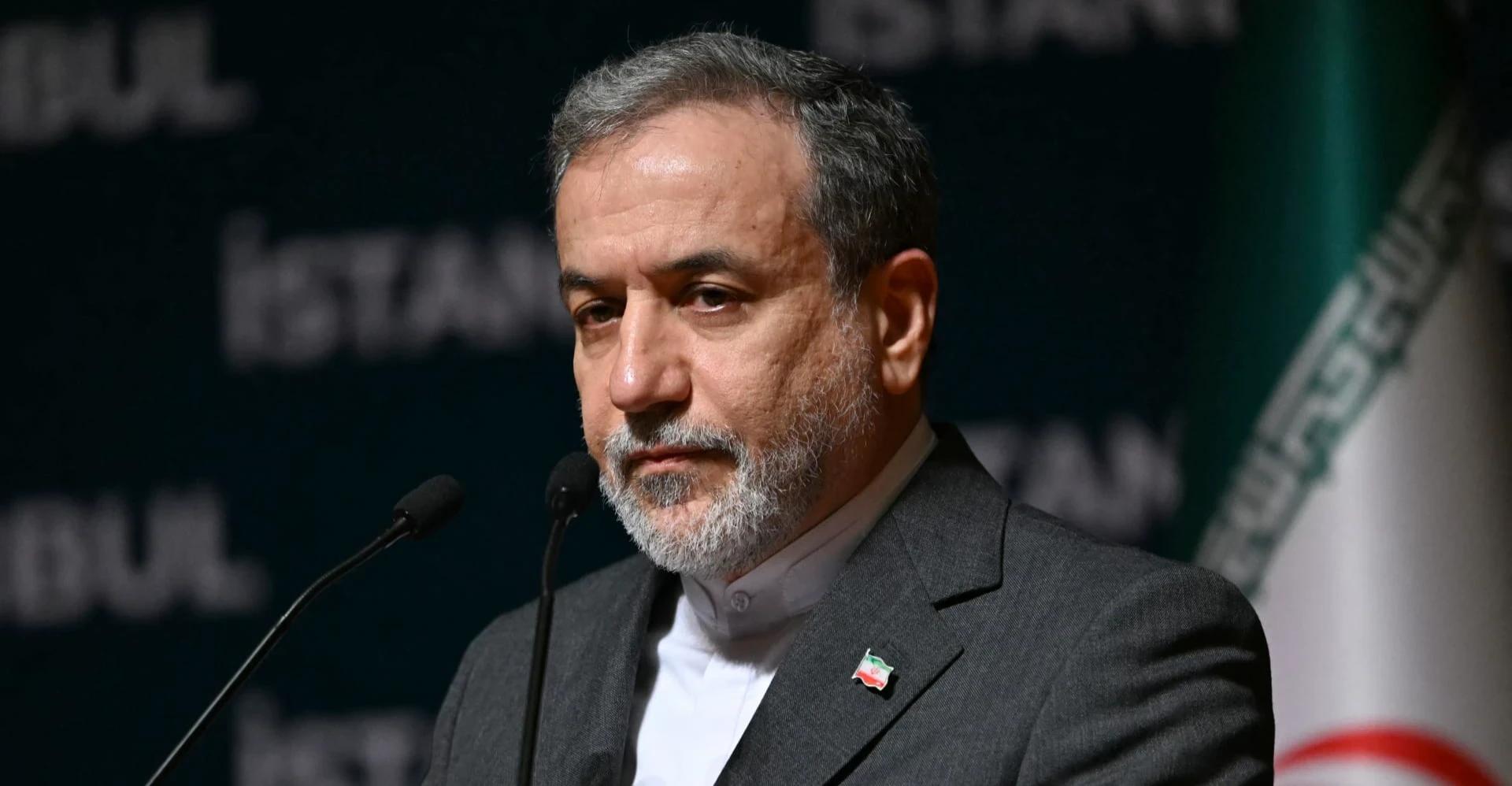
Iran's Araghchi Rebukes Lebanon President Joseph Aoun, Urges Him to Confront Israel
25 sources compared

Israeli Strikes Kill Nine in Southern Lebanon After Evacuation Warnings for Nine Villages
16 sources compared
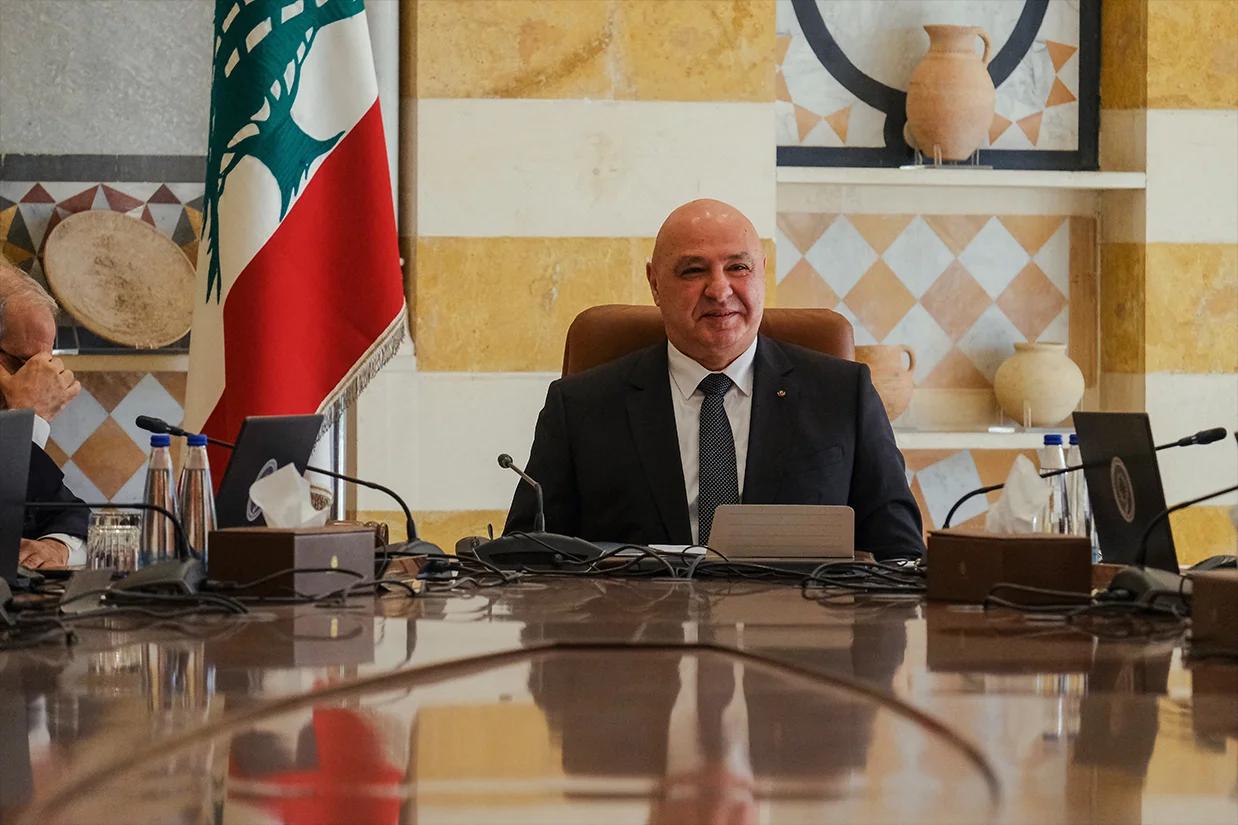
Joseph Aoun Accuses Iran of Using Lebanon as Bargaining Chip in U.S. Talks
22 sources compared

Hezbollah Drone Attack Kills Israeli Soldier Near Nimr Al-Jamal, Injures Six
11 sources compared