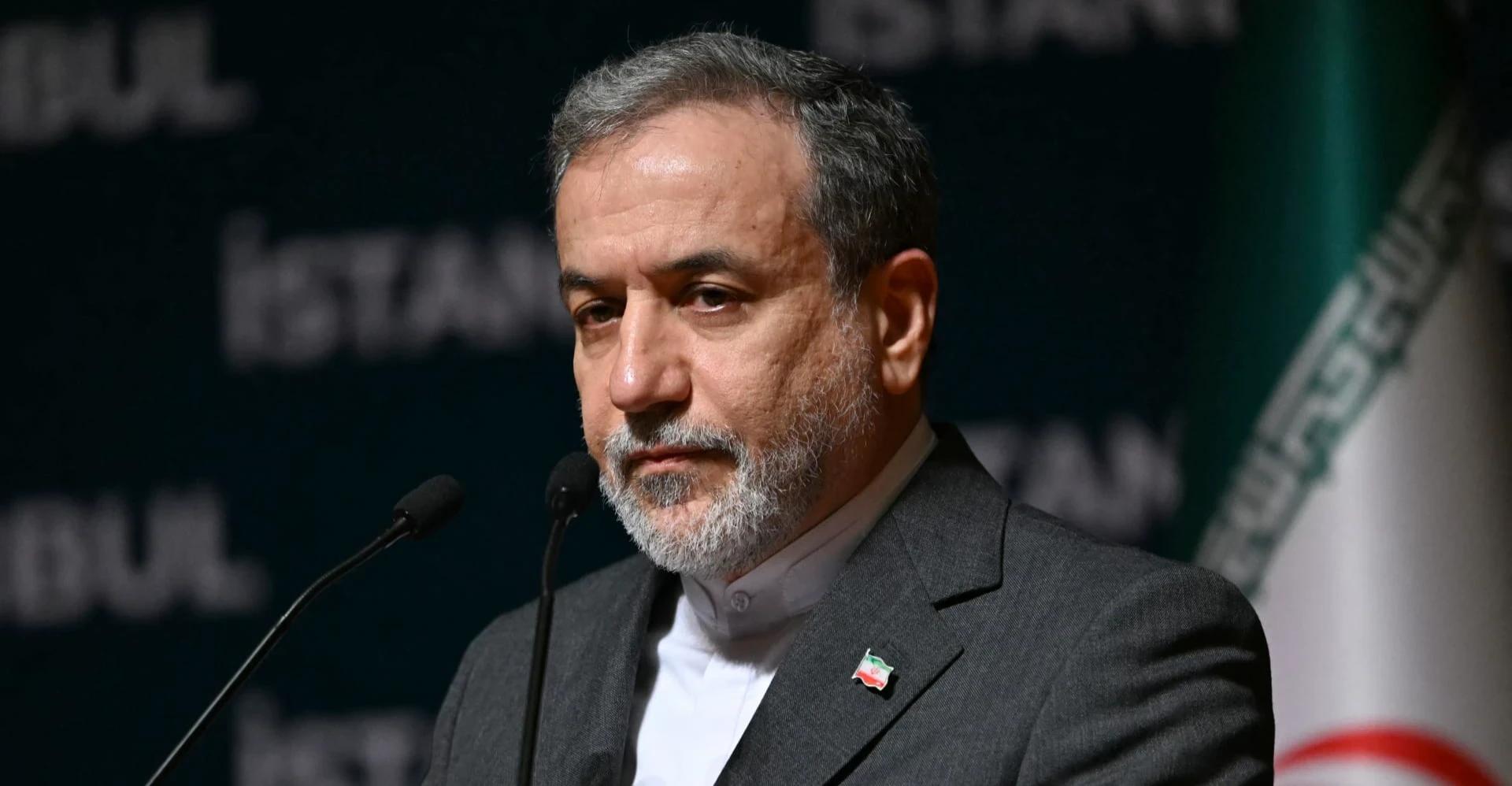
Iran's Araghchi Rebukes Lebanon President Joseph Aoun, Urges Him to Confront Israel
Key Takeaways
- Araghchi tells Aoun to save Lebanon from its real foe, Israel.
- Aoun accused Iran of using Lebanon as a bargaining chip against the US and Israel.
- Iran rejected Lebanon as leverage, saying if it were true, a deal would have occurred.
Aoun vs. Araghchi
Iranian Foreign Minister Abbas Araghchi sharply rebuked Lebanese President Joseph Aoun after Aoun accused Tehran of interfering in Lebanon’s affairs and using Lebanon as a bargaining chip in negotiations with the United States.
In a post on X, Araghchi dismissed Aoun’s framing and wrote, "Save Lebanon from your real foe, Mr. President."
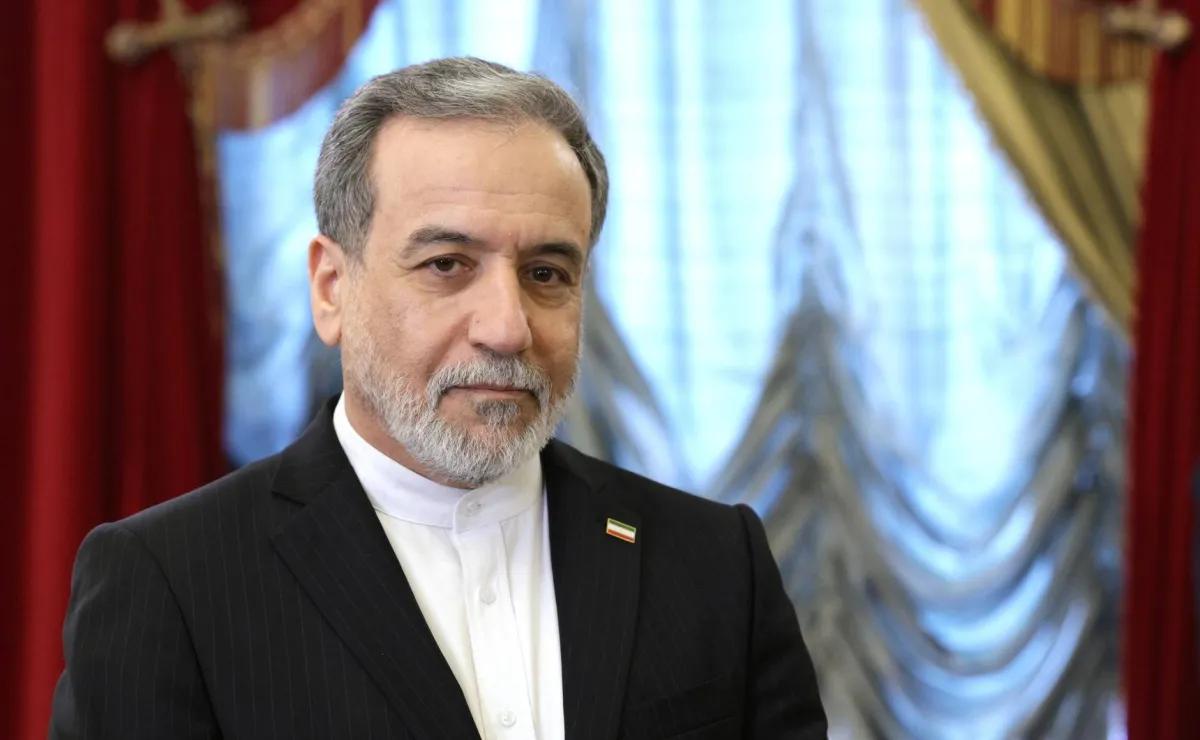
Araghchi’s reply came after Aoun told CNN, "This is not your country; it is our country. Your duty is not to interfere in our affairs."
The dispute unfolded as Lebanon navigated war, negotiations, and competing regional pressures, with the conflict described as beginning on March 2 following Hezbollah rocket attacks against Israel in response to the killing of Iran's Supreme Leader Ali Khamenei.
Kurdistan24 said Israeli strikes have killed more than 3,560 people in Lebanon since the conflict began, while the Israeli side reported 27 soldiers and one civilian contractor killed in Lebanon.
Reactions and rebuttals
The exchange drew additional criticism inside Lebanon, with the Jerusalem Post reporting that Aoun told CNN’s Christiane Amanpour that his country’s people are "not [Hezbollah leader] Naim Qassem’s people."
Aoun also accused Iran of using Lebanon "for the sake of your [Iran’s] own interest," and said, "The people of Lebanon are paying the price."

Araghchi rejected the bargaining-chip accusation in multiple outlets, including The New Region, where he wrote on X, "Had Lebanon been a bargaining chip for Iran, we'd have a deal long ago."
In the same reporting, The New Region said Aoun called the approach "unacceptable" and urged that Hezbollah "must understand that there is no other way to solve the issue and save what's left except through negotiations and diplomacy."
WANA News Agency added that Lebanon’s Jaafari Mufti, Sheikh Ahmad Qabalan, warned that continuing such positions could damage Aoun’s national credibility and urged him to refrain from stances described as “unworthy of the presidency.”
Ceasefire stakes
The political fight over Iran’s role in Lebanon played out alongside ceasefire diplomacy, with The Jerusalem Post saying the US State Department stated Israel and Lebanon agreed to implement a ceasefire contingent on Hezbollah completely stopping its attacks and evacuating from the area south of the Litani River.
“Lebanese President Joseph Aoun delivered a searing rebuke to Iran on Friday, accusing it of using his country as a bargaining chip against the wishes of the Lebanese people in the conflict with the United States and Israel”
Hezbollah leader Qassem rejected the US-backed ceasefire as "a roadmap for the annihilation of a section of the Lebanese people and the enslavement of the rest," while Araghchi continued to press Aoun to focus on Israel as the "real foe."
The New Region reported that key to the accord is Beirut’s pledge to restrict arms to state ownership, including so-called "pilot zones" in southern Lebanon’s Hezbollah strongholds where the state military plans to bolster its presence.
Euronews said Aoun told CNN, "We are ready, willing and committed to negotiate," and described a "major opportunity to end the state of war between [the] Lebanese and Israelis," while also insisting that negotiation is the only solution against Hezbollah.
Kurdistan24 framed the stakes as a widening political divide over Lebanon’s future, with Tehran maintaining that any lasting settlement must include a ceasefire on the Lebanese front and a withdrawal of Israeli forces.
More on Iran
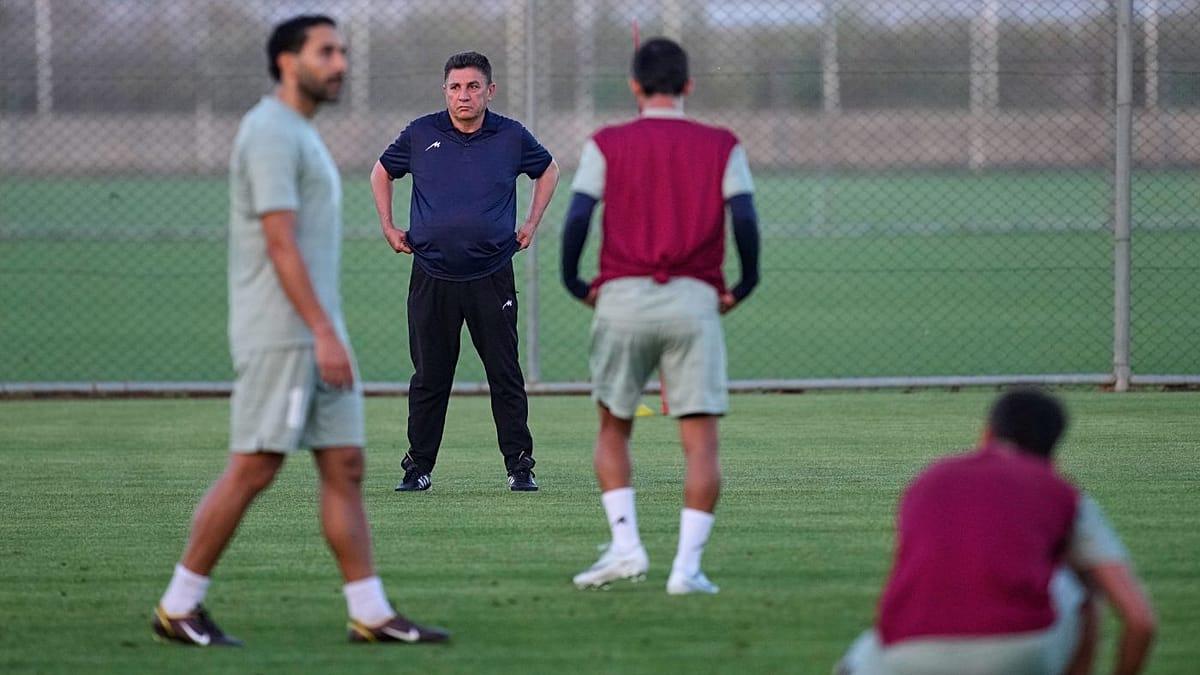
Iran Accuses United States of Blocking World Cup Staff Before 2026 Campaign
13 sources compared
US Downs Seven Iranian Missiles Over Kuwait and Bahrain After IRGC Strikes US Bases
13 sources compared

Pentagon Raises Israel Espionage Threat To Critical Over Iran Negotiations, Targeting Steve Witkoff
10 sources compared

U.S. Strikes Iranian Radar Sites After Intercepting Drones; Iran Fires Missiles at Kuwait and Bahrain
15 sources compared