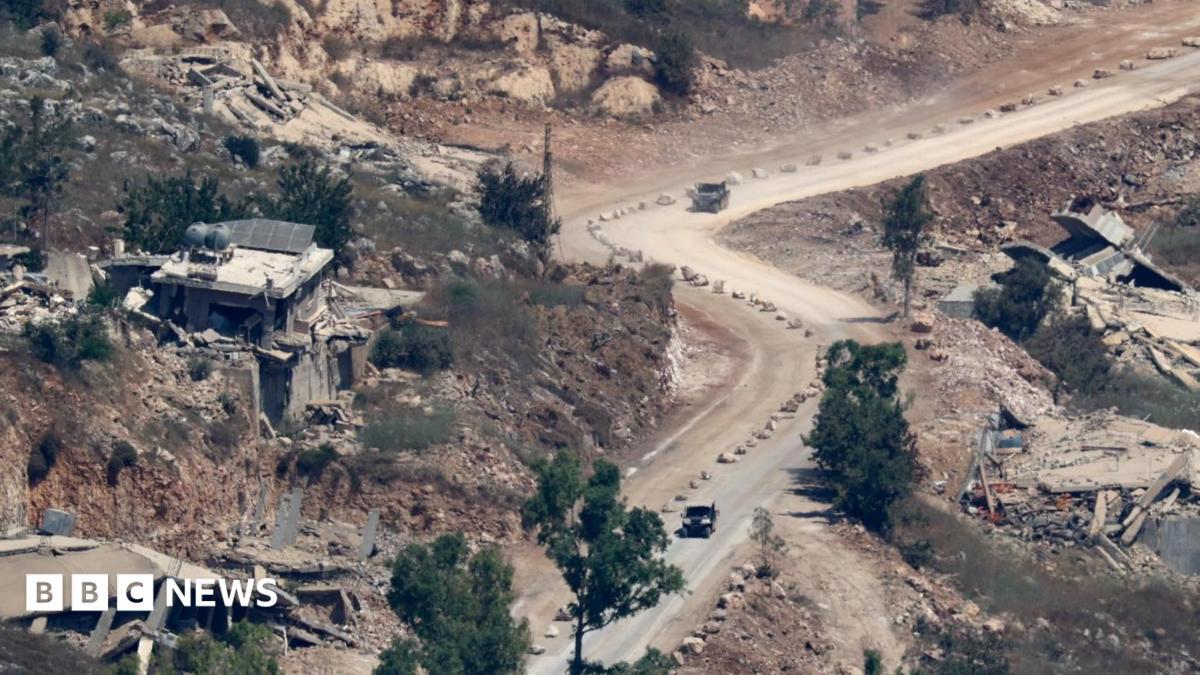
Hezbollah Rejects Israel-Lebanon Framework After Israeli Strikes Kill One in Southern Lebanon
Key Takeaways
- U.S.-brokered framework for Israel-Lebanon signed in Washington, framed as lasting peace and security.
- Hezbollah rejects the deal, calling it humiliating and surrender of Lebanon's sovereignty.
- Israeli strikes in southern Lebanon kill one and injure two.
Framework signed, strikes continue
Lebanon and Israel signed a framework agreement under American mediation in Washington, and Hezbollah leader Naim Qassem rejected it as “humiliating, shameful and a surrender of sovereignty” for Beirut.
“US announces framework for "lasting peace" between Israel, Lebanon U”
The rejection came as the Lebanese Ministry of Public Health said one person was killed and two were injured in Israeli strikes on southern Lebanon on Saturday, the first casualties since the deal was signed.

In the same period, Israeli Defense Minister Yisrael Katz conditioned Hezbollah’s disarmament “in all of Lebanon” for the withdrawal from the south, while Israeli Defense Minister Yisrael Katz also said the Israeli army had received orders to prepare for a “long stay” in Lebanon.
The BBC reported that Israeli airstrikes on southern Lebanon continued, with the National News Agency reporting “four strikes on the al-Manzila neighborhood and the square in Nabatieh Al-Fouqa.”
Hezbollah, Netanyahu, and protests
Hezbollah said the framework was “nonexistent,” and Qassem said “We will continue as a resistance in the field to defeat the occupation [Israel] … We did not leave the field under difficult circumstances and we will not abandon it,” as the agreement linked Israel’s withdrawal to Hezbollah’s disarmament.
Israeli Prime Minister Benjamin Netanyahu described the Lebanon-Israel framework on Saturday as a “historic” achievement that dealt a blow to Iran and Hezbollah, and the BBC said Netanyahu also stressed that Israel “will remain in the security belt until Hezbollah is disarmed.”

In Lebanon, Hezbollah supporters protested the agreement by burning tyres and blocking a road leading to the airport, while the Lebanese army called on citizens “to act responsibly in light of calls for demonstrations in Beirut and other areas.”
The BBC also reported that the far-right Israeli National Security Minister Itamar Ben-Gvir denounced the agreement on Telegram, saying “The agreement with Lebanon is a big mistake; it's true that we still control most of the land, but the Lebanese state will not disarm Hezbollah.”
What’s at stake next
The framework’s implementation hinges on disarmament and the role of non-state actors, with CNBC saying the ceasefire is contingent on a complete cessation of fire by Hezbollah and the evacuation of all Hezbollah operatives from the South Litani Sector.
Al Jazeera reported that Lebanese officials were optimistic about the deal, with Lebanese Member of Parliament and former Justice Minister Ashraf Rifi praising it as Lebanon finally “acting like a state,” while Lebanese MP Gebran Bassil said the framework agreement “requires responsible engagement.”
At the same time, the BBC said Hezbollah attacked the framework as “nonexistent,” and Al Jazeera reported that Qassem accused Lebanon’s government of legitimising Israel’s occupation “for many years to come” by signing the agreement with Israel.
The BBC also quoted U.S. Secretary of State Marco Rubio saying the agreement is “a start of beginnings” while warning that “there is still a long way to go for Lebanon and Israel,” as the deal’s path toward normalisation is tied to direct negotiations under US mediation.
More on Lebanon
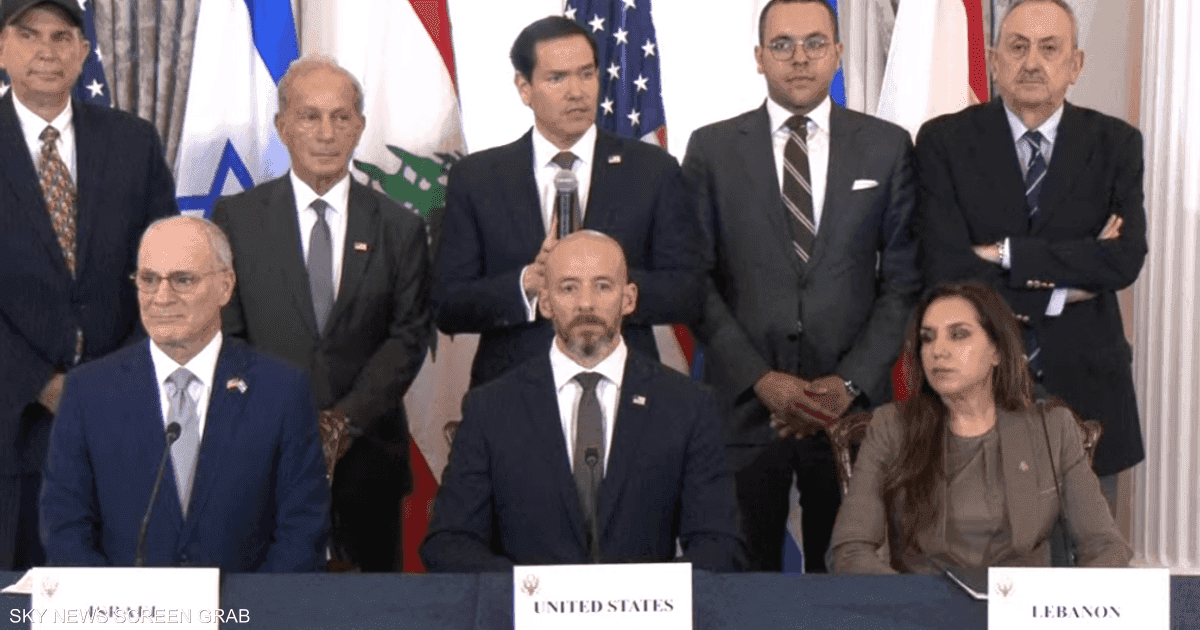
Hezbollah Rejects US-Mediated Israel-Lebanon Framework, Warns of Civil War in Beirut
11 sources compared
Israel Drone Strike Hits Nabatieh al-Fawqa After US-Brokered Israel-Lebanon Framework Deal
16 sources compared
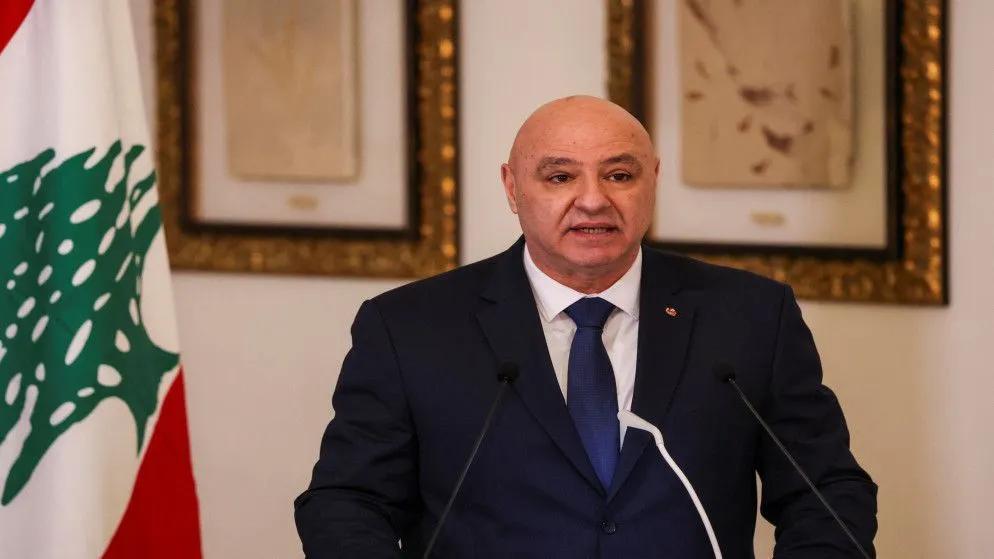
Joseph Aoun Welcomes France and Italy Plan for Post-UNIFIL Coalition in Lebanon
16 sources compared

Marco Rubio Announces Israel-Lebanon Framework Agreement With U.S. After Hezbollah Conflict
15 sources compared