Hezbollah Rejects US-Mediated Israel-Lebanon Framework, Warns of Civil War in Beirut
Key Takeaways
- Hezbollah rejects Washington framework, calling it humiliating and a surrender of Lebanon's sovereignty.
- Protests erupt in Beirut's southern suburbs against the framework with roadblocks and demonstrations.
- Hezbollah warns the deal could trigger civil war if imposed or enforced.
Framework signed, Hezbollah rejects
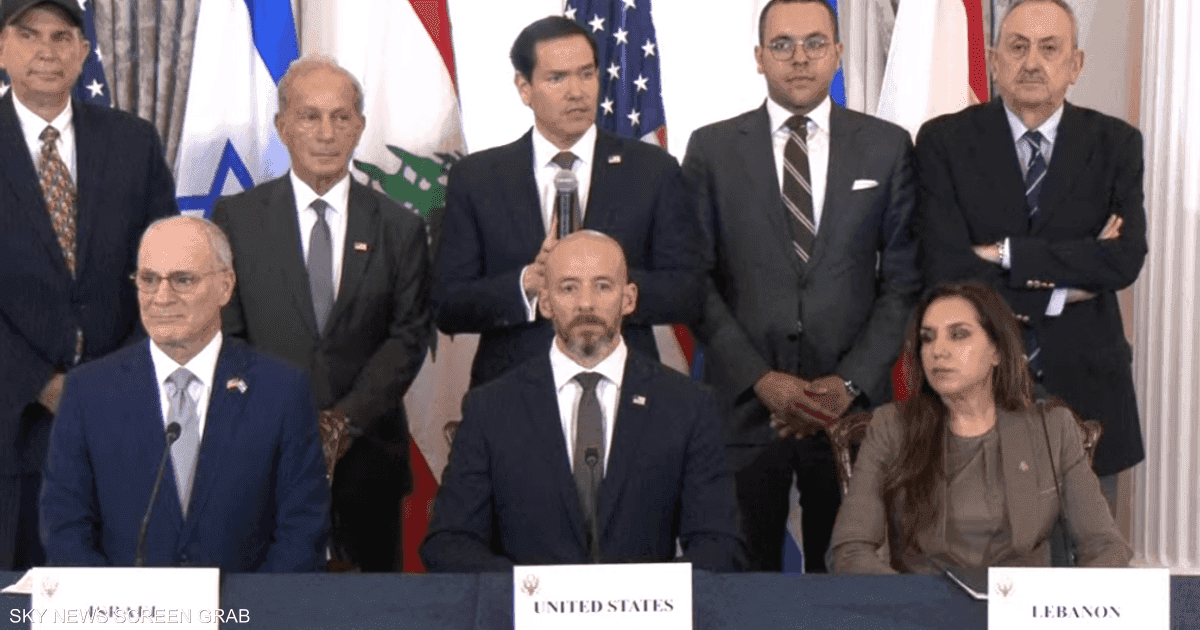
Israel and Lebanon signed a US-mediated framework agreement in Washington on Friday, with US Secretary of State Marco Rubio saying, “We are pleased to announce a framework agreement between the sovereign Lebanese government and, of course, the government of Israel, with mediation and support from the United States.”
“Hezbollah leader Naim Qassem has rejected the framework agreement signed by Lebanon and Israel in Washington DC, calling it “humiliating, shameful and a surrender of sovereignty” for Beirut”
Hezbollah leader Naim Qassem rejected the deal, calling it “humiliating, shameful and a surrender of sovereignty” and saying, “We will continue as a resistance in the field to defeat the occupation [Israel] … We did not leave the field under difficult circumstances and we will not abandon it.”

The agreement links Israel’s withdrawal from Lebanon to Hezbollah’s disarmament, and Qassem accused Lebanon’s government of legitimising Israel’s occupation “for many years to come” by signing the agreement.
Lebanese Parliament Speaker Nabih Berri warned the deal was an “incitement to civil war,” while the Lebanese military vowed to maintain order, saying, “The army command will not allow any breach of security or threat to civil peace through actions with unpredictable consequences, road blockages, or attacks on public or private property.”
Protests and judicial orders
After the signing, Hezbollah supporters flooded Beirut, burning tyres and blocking roads, including a road leading to the airport, as the Lebanese army set up temporary checkpoints.
Al Jazeera’s account of the protests said demonstrators blocked a road leading to the airport and burned tyres, while the Lebanese army called on citizens “to act responsibly in light of calls for demonstrations in Beirut and other areas”.

In response to the unrest, Public Prosecutor Judge Ahmad Rami al-Hajj issued a judicial order tasking Lebanese security forces with preventing riots, and the order also requested that security agencies identify rioters so legal action could be taken.
A separate report said Hezbollah lawmaker Hassan Fadlallah warned that authorities would be unable to impose the agreement unless, with US support, “they go to civil war,” and he added, “Without the resistance, nothing will pass,” referring to Hezbollah.
Casualties and what’s at stake
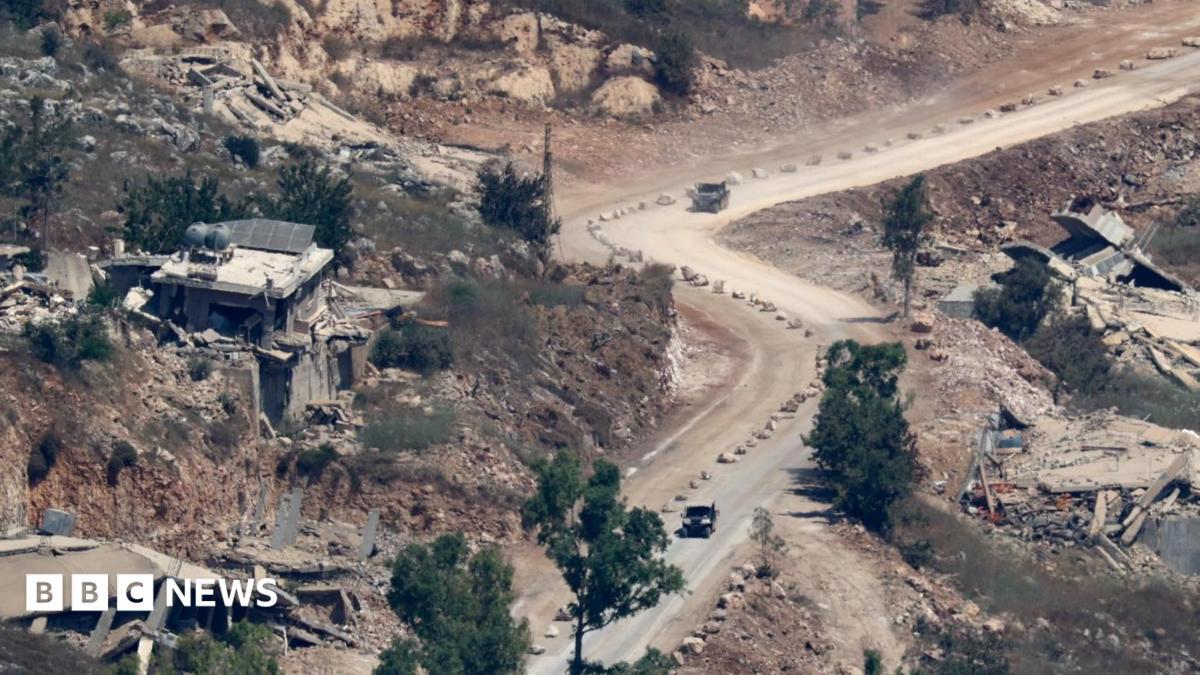
Israeli strikes in southern Lebanon continued after the deal was signed, with Lebanon’s Ministry of Public Health saying one person was killed and two were injured in Israeli strikes on Saturday, the first casualties since the agreement.
“Hezbollah supporters take to the streets in the southern suburbs of Beirut to protest against the trilateral agreement that was signed between the US, Israel and Lebanon on 27 June 2026 (Ibrahim Amro/AFP) Hezbollah supporters took to the streets of Beirut to protest the trilateral framework agreement signed by the U”
Al Jazeera reported that Israel’s defence minister Israel Katz said he and Netanyahu instructed Israeli forces to prepare for an “extended stay” in the so-called security zone in southern Lebanon, while the agreement text did not force Israel’s withdrawal because “The word withdrawal is not in [the] text.”
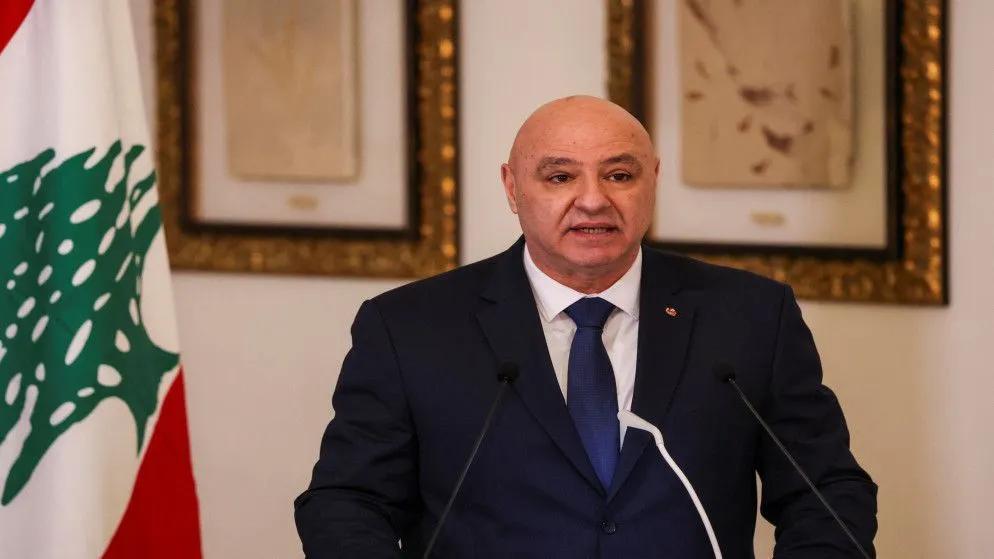
Lebanon’s President Joseph Aoun told US President Donald Trump in a call that he hoped Washington could help prevent framework violations and ensure commitments were fulfilled, with the Lebanese presidency saying Aoun urged Trump to press Israel to withdraw from occupied areas in southern Lebanon.
Hezbollah continued to frame the stakes as existential, with one report quoting Nabih Berri warning “My people in Lebanon—all of Lebanon—this is fitna [civil strife/discord],” as it described fears that the political rift could spill into street-level security tensions.
More on Lebanon

Israel Drone Strike Hits Nabatieh al-Fawqa After US-Brokered Israel-Lebanon Framework Deal
16 sources compared
Joseph Aoun Welcomes France and Italy Plan for Post-UNIFIL Coalition in Lebanon
16 sources compared
Hezbollah Rejects Israel-Lebanon Framework After Israeli Strikes Kill One in Southern Lebanon
128 sources compared

Marco Rubio Announces Israel-Lebanon Framework Agreement With U.S. After Hezbollah Conflict
15 sources compared