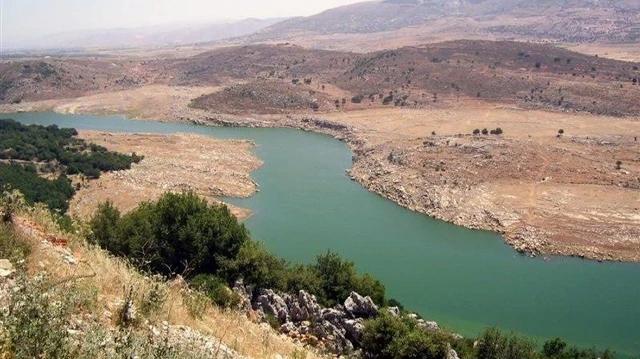
Hezbollah Urges Lebanon Resistance Supporters Not To Return To Targeted Areas Before Ceasefire
Key Takeaways
- Hezbollah urged the displaced from South Lebanon, Beqaa Valley, and Dahieh not to return.
- The call awaits an official, definitive ceasefire announcement.
- Israeli strikes in southern Lebanon continue, fueling displacement.
Ceasefire, but not safe
Hezbollah urged resistance supporters not to return to targeted areas in Lebanon until ceasefire circumstances became fully clear, issuing a statement that called on people to “exercise caution and not head to the targeted areas in the South, the Beqaa, and the southern suburbs of Beirut.”
The group framed the warning around what it described as a “treacherous enemy accustomed to violating charters and agreements,” and it asked residents to “remain patient and endure.”

Hezbollah said it understood “the magnitude of your longing to return to your villages and homes,” while still insisting that “out of concern for your safety and your precious lives” people should not go back yet.
The statement added that “God willing, you will return to your villages with your heads held high, dignified as you have always been.”
In parallel, Hezbollah also asked displaced residents not to return before an official and definitive ceasefire announcement, telling inhabitants of “the South, Beqaa, and the southern suburbs” to wait for “the final official announcement of a ceasefire in Lebanon.”
Libnanews described this as a message extending beyond border villages, explicitly including “Dahieh, which remain under threat of Israeli attacks or evacuation orders.”
Escalation and displacement
Lebanon’s renewed war pressure continued even as ceasefire talk circulated, with HuffPost describing “Bombs are raining down on Lebanon again” and saying that “Since the beginning of March, Israel has intensified attacks in the south of the country and in Beirut.”
HuffPost reported that “This Friday, March 20, the Israeli army announced that it had targeted 'more than 2,000 terrorist targets' in Lebanon 'as part of its advanced defensive effort.'”

It also cited the Lebanese Health Ministry’s tally that “These attacks have killed 1,001 people, including 118 children, since March 2.”
In Beirut and surrounding areas, Ici Beyrouth reported that “Israeli strikes and artillery bombardments resumed on Friday morning against the southern suburbs of Beirut” and “several areas in southern and eastern Lebanon.”
The same report said a “new air strike hit the Bourj el-Brajneh area in the southern suburb of the capital,” while Israeli artillery “again bombed the town of Khiam” and air force raids hit “Baissariyeh and Tebnine, as well as Nabatieh al-Fawqa and Qlawiyeh.”
Ici Beyrouth added that “at least five strikes targeted the Ghobeiry area in less than an hour,” and it described thick smoke rising above targeted buildings in Haret Hreik.
It further stated that “since the start of the military operation, more than 500 targets have been struck in Lebanon,” and that “420,000 inhabitants had to leave their homes in the south of the country” while “tens of thousands of people” were displaced in the southern suburb of Beirut.
Hezbollah’s warnings and actions
As Israeli strikes continued, Hezbollah intensified its own operations and issued evacuation messages aimed at Israeli border towns, according to Ici Beyrouth.
“Hezbollah issued on Thursday a statement to warn the Resistance supporters against returning to their homes in Dahieh, Bekaa, and South Lebanon before the ceasefire becomes clearer”
The report said Hezbollah “intensified its operations, calling residents of border towns in Israel to evacuate and targeting gatherings of Israeli military vehicles taking part in incursions.”
It added that “Hezbollah announced it had issued a warning to residents of Israeli towns located five kilometers from the border, urging them to evacuate,” and it quoted the group’s message posted “in a message posted in Hebrew on its Telegram channel.”
In that warning, Hezbollah said: “The aggression of your army against Lebanese sovereignty and the security of citizens, the destruction of civilian infrastructure, and the expulsion campaign it is waging will not go unpunished.”
Ici Beyrouth also reported that Hezbollah “claimed a rocket strike against the Israeli military site at Malikia” and said it “targeted a gathering of Israeli army vehicles advancing toward the southern sector of the city of Khiam.”
The same report said Hezbollah targeted “another convoy of armored vehicles at a newly established site near Markaba.”
Meanwhile, Libnanews described Hezbollah’s political posture as it said it was “close to a historic victory” while still asking civilians not to return, attributing its stance to the risk of “last-minute Israeli attacks” and “unexploded munitions.”
Truce ambiguity and Beirut’s fear
The truce picture remained contested, and Hezbollah’s public messaging reflected that uncertainty, according to Libnanews and HuffPost.
Libnanews said Hezbollah “has not yet publicly commented on the two-week truce announced between the United States and Iran,” while also noting that “it has not claimed an attack against Israel since Tuesday night into Wednesday.”

It reported that “Israel continues its strikes in Lebanon and says that the Lebanese front is not covered by the ceasefire reached with Tehran,” and it described Israel’s position as “largely unchanged.”
Libnanews further said “The office of Benjamin Netanyahu backed the American plan on the Iranian front, but clearly indicated that the war against Hezbollah continues,” while “the Israeli army continued its operations in Lebanon and kept evacuation warnings for several areas of the country.”
HuffPost, meanwhile, described the escalation as part of a broader confrontation, saying Israel’s stated objective was “annihilating Hezbollah,” after Hezbollah “had fired missiles and drones at the Hebrew enemy in retaliation for the 'aggression' against Tehran.”
HuffPost also quoted the Israeli army’s claim that it was targeting “more than 2,000 terrorist targets” and described the Lebanese reaction as “fear” and “weariness.”
In HuffPost’s account, Gabriel Blondel said the strikes were concentrated in “southern Lebanon, the Bekaa region, and the southern suburbs of Beirut,” and he said the perimeter had extended to Beirut’s “heart of the city.”
He also described how targeting Beirut buildings housing displaced Shiite people “creates a climate of terror for the other communities in the neighborhood,” and he said some residents wondered “if they will end up being bombed because they housed displaced people.”
What comes next for civilians
The immediate consequences for civilians were described as large-scale displacement and continued operational tempo, with Ici Beyrouth reporting both the scale of departures and the mechanics of strikes.
It said “the strikes have displaced tens of thousands of people in the southern suburb of Beirut,” and it gave a separate figure that “420,000 inhabitants had to leave their homes in the south of the country.”
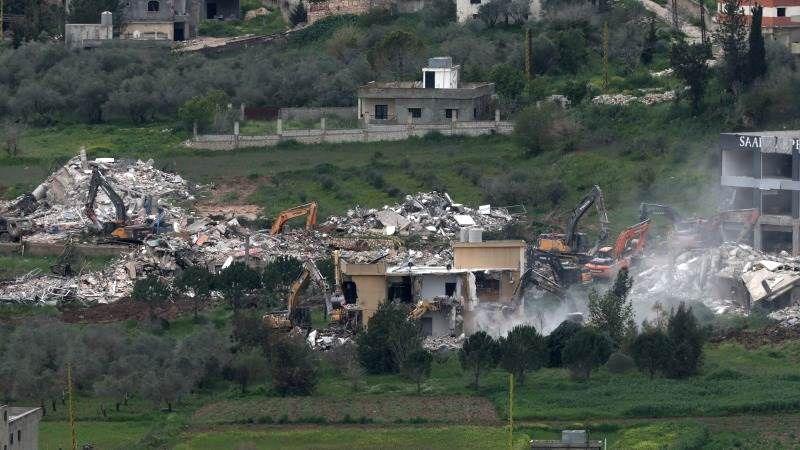
The report also stated that the Israeli army said it conducted “a wide wave of air strikes in Beirut (26 strikes),” and it claimed “since the start of the military operation, more than 500 targets have been struck in Lebanon.”
Ici Beyrouth said the Israeli army targeted “command centers” and “multi-storey buildings housing sites used by Hezbollah,” including “a facility used to store drones (UAVs) employed to attack Israel.”
It added that the army said it took steps to reduce civilian risk, including “prior warnings, the use of precision munitions, and aerial surveillance,” and it said it would “continue its operations against Hezbollah after the attacks.”
In the same reporting, Hezbollah’s calls for restraint aimed at preventing civilians from returning too soon, with Al-Manar TV Lebanon saying “we call on you to remain patient and endure” and Libnanews warning against returning before “the final official announcement of a ceasefire in Lebanon.”
HuffPost’s interview also captured the psychological stakes, with Gabriel Blondel saying “Weariness adds to fear” and describing a fear that “This could be our Nakba.”
Across the accounts, the war’s trajectory remained uncertain: Libnanews said Hezbollah’s stance left “room to adjust its next steps,” while Hezbollah continued to insist that civilians should not head back to “targeted areas.”
More on Lebanon
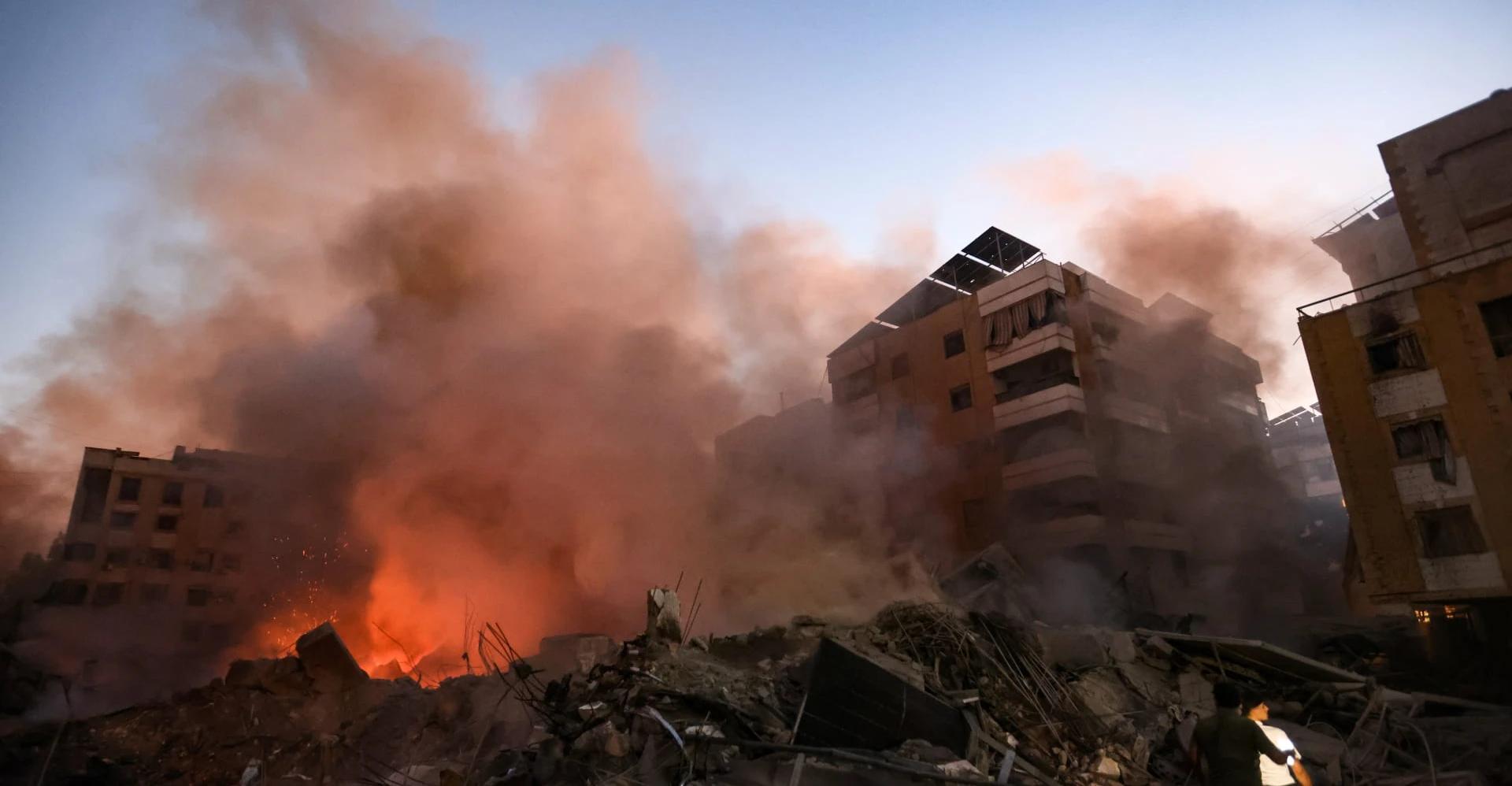
Israeli Artillery Shelling Continues in Southern Lebanon After Israel-Hezbollah Ceasefire Takes Effect
10 sources compared
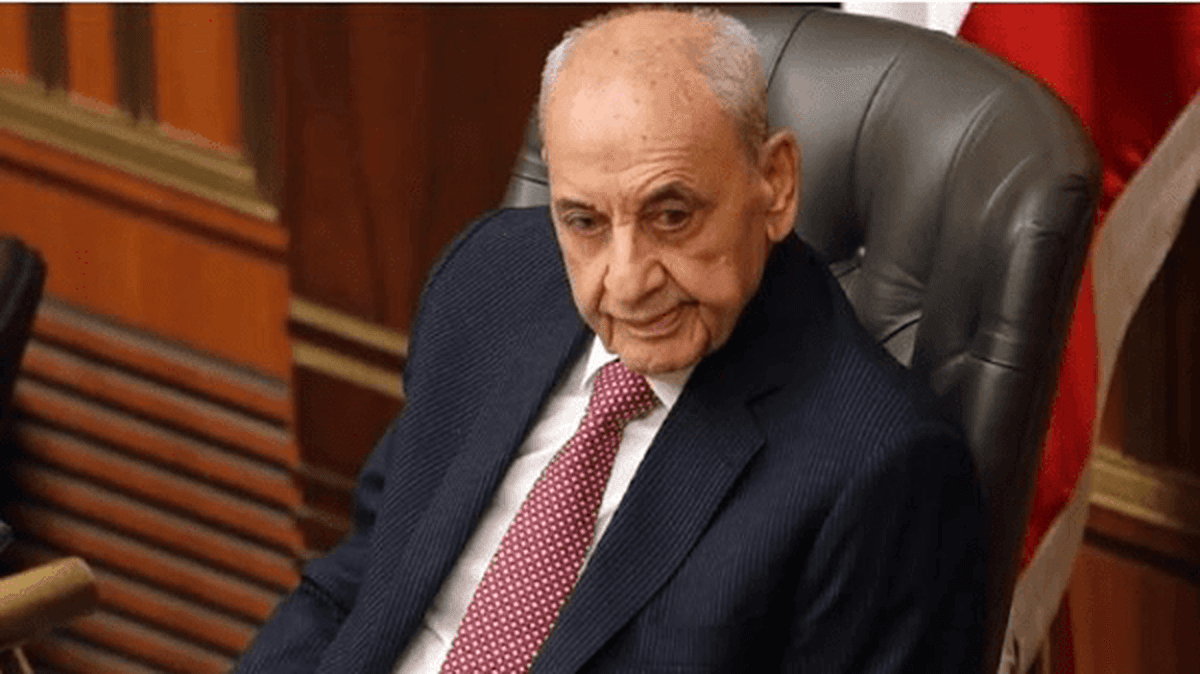
Israel Strikes Lebanon as Trump’s 10-Day Ceasefire Begins Amid U.S.-Iran Truce
26 sources compared

Trump Announces 10-Day Israel-Lebanon Ceasefire Starting Thursday at 5 P.M. ET
30 sources compared
Hezbollah Rockets And Drones Strike Metula, Nahariya, Haifa Naval Base, And Ma'alot Tarshiha
10 sources compared