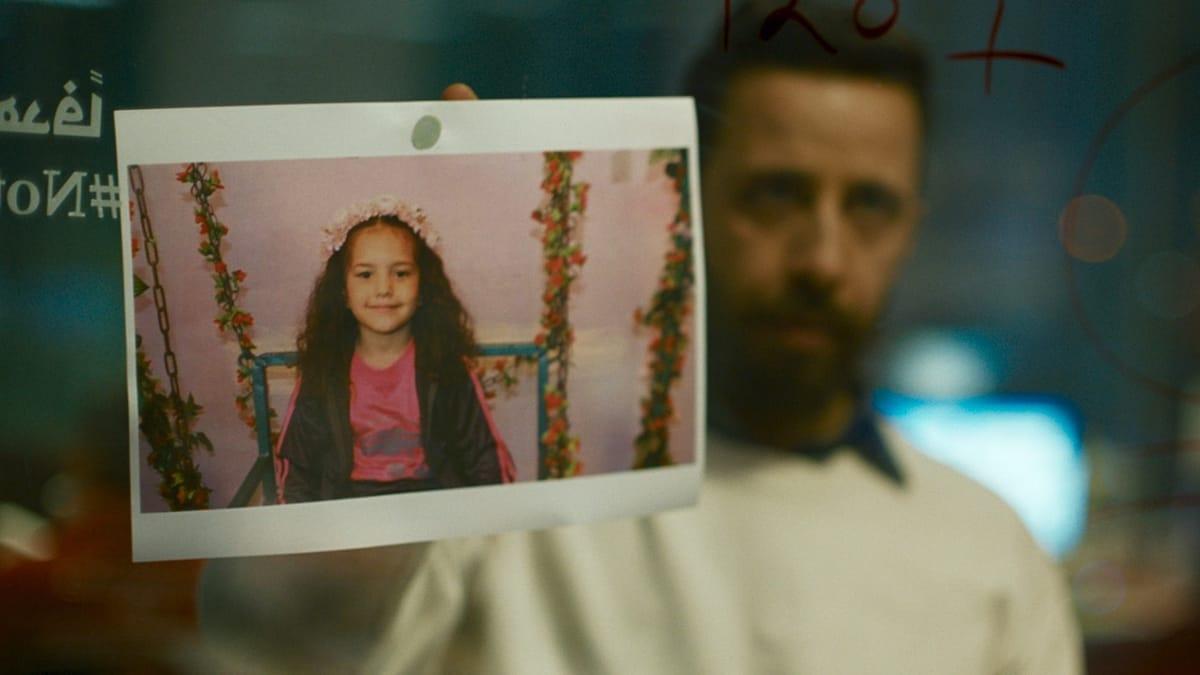
Hind Rajab’s Mother Says Israeli Soldiers Killed Medics After Ambulance Was Shelled
Key Takeaways
- Hind Rajab, five-year-old Palestinian girl, was killed by Israeli fire in Gaza in January 2024.
- Two Palestinian Red Crescent ambulance workers were killed along with Hind Rajab.
- Kaouther Ben Hania's Hind Rajab film received Oscar recognition.
Hind Rajab’s last call
The war in Gaza has been refracted through the story of Hind Rajab, a five-year-old Palestinian girl whose death is recounted in the Oscar-nominated film 'Voice of Hind Rajab' and in testimony about the final moments of her life.
“The mother said that her daughter was 'a very strong and very intelligent child,' and her dream was to become a doctor 'who would treat all the children of the Gaza Strip, and children around the world”
In an interview with Amnesty International, Wasam Hamada, Hind Rajab’s mother, accused the international community and world governments of complicity, saying, "silence is what makes the crime possible, and it is what opens the way for it to be repeated."
Hamada described Hind’s last phone call as she was trapped in a car surrounded by Israeli soldiers, recalling Hind’s words: "I'm scared... come take me."
She also quoted another phrase she said "ripping her heart apart": 'Mom, they are lying. Stay with me.'
Hamada said an ambulance was sent to rescue her daughter but did not arrive, explaining that it was shelled and that "the two medics who went out on a rescue mission were killed."
In the same interview, Hamada stressed that "saving a life was not allowed" and argued that the film 'The Voice of Hind Rajab' documents the crime and serves as "a witness for future generations."
Film blocked in India
The Gaza story of Hind Rajab also collided with international film distribution when India blocked the screening of 'Voice of Hind Rajab' on the grounds that it was 'offensive' to its relationship with Israel.
The film’s distributor in India, Manoj Nandwana of Jay Viratra Entertainment, told Agence France-Presse (AFP) that a member of the Central Board of Film Certification told him that screening the film in cinemas "'would harm India's relations with Israel.'"

Nandwana said, "After viewing the film, it became clear to me that they would not authorize its release in India," and he added that he had not received an official notice of a ban.
He questioned the decision, asking, 'The film has been shown around the world, including in Israel; why would it be considered bad or sensitive for Indians? It is strange.'
The film had previously been shown at an international film festival in Kolkata, eastern India, in November 2025, according to Nandwana.
Congress MP Shashi Tharoor called the ban 'shameful,' writing on X, 'In a democracy, screening a film that reflects freedom of expression in our society has nothing to do with relations between governments.'
Oscar shortlist and competing narratives
While India blocked the film, other outlets described how 'The Voice of Hind Rajab' was being positioned on the global awards circuit and how Israel and Palestinian institutions dispute the underlying account.
“Inspired by real events, these films offer a glimpse into what Palestinian families have endured for decades, from British colonization to life under apartheid and the current Israeli genocide”
Presse-toi à gauche reported that three films about Palestine were shortlisted for the Oscars, saying 'The Voice of Hind Rajab' "hits theaters on November 26" and quoting director Kaouther Ben Hania: "I cannot accept a world where a child calls for help and no one comes. This pain, this failure, belongs to us all."
The same report described the film’s basis in Hind Rajab’s attempt to flee in February 2024, stating that "Their car was attacked by an Israeli tank" and that "Hind Rajab took the phone again, crying and shouting that Israeli forces were shooting at them amid the noise of gunfire before she herself was killed."
In contrast, The Times of Israel framed the dispute around the Palestinian Red Crescent Society’s accusation that Israel deliberately targeted an ambulance, while Israel rejected it and said an investigation found no Israeli troops were near the vehicle where Rajab's body was found.
The Times of Israel also said the film uses the real audio recording of the girl's phone call in which she begs for help, surrounded by the bodies of her deceased relatives, and it described the film’s depiction of dispatchers in the central West Bank sending aid to Rajab in Gaza.
Together, these accounts show how the same core material—Hind Rajab’s call and the attempt to dispatch help—can be narrated through competing claims about responsibility and evidence.
Aid trucks and disputed access
Beyond the film and the testimony, i24NEWS described Israel’s account of humanitarian access to Gaza, asserting that it is not limiting aid deliveries even as delays persist on the Palestinian side.
The i24NEWS report said "71 humanitarian aid trucks per day on average since May 2025" and stated that "Israel says it is not limiting the number of aid trucks."
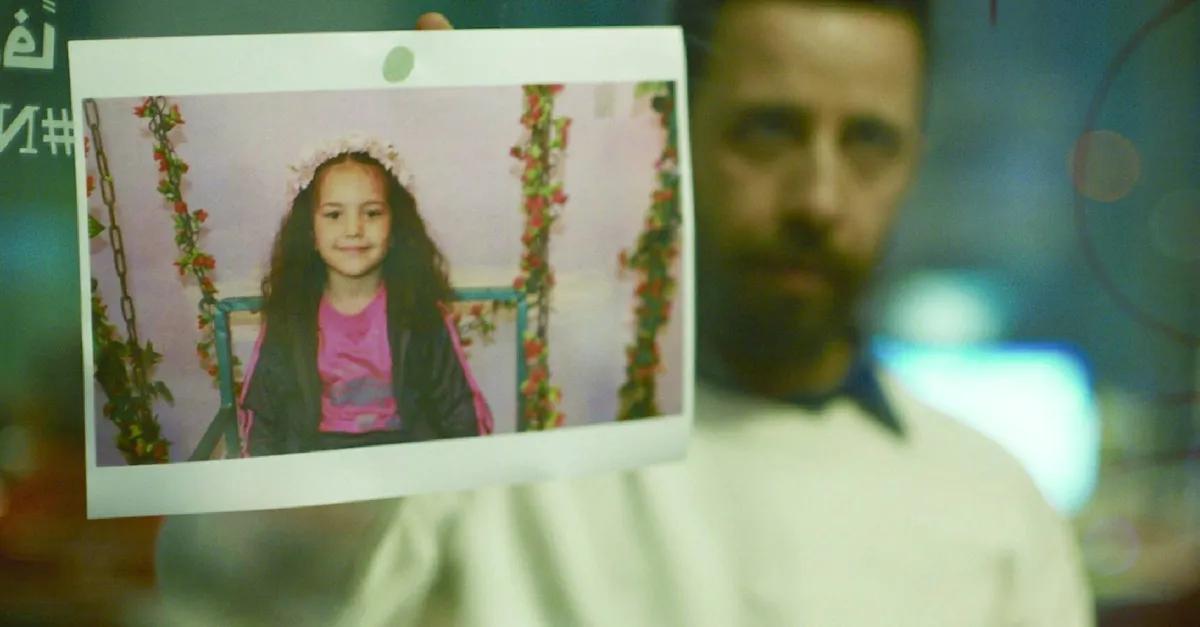
It said that since May 19, 2025, under the directive of Israeli authorities, delivery of humanitarian aid to Gaza has resumed via two main channels: one involving distribution centers managed by an American company providing weekly food rations through international organizations, and a second involving an "aid supplement" with raw materials for bakeries and local kitchens in collaboration with the UN.
The report said that on average 71 trucks enter Gaza daily, totaling nearly 4,500 trucks since May, and it specified that the shipments include foodstuffs, flour, baby foods, and medical equipment, including 2,500 tons of infant food.
It also said about 1.5 million weekly rations have been distributed through four centers.
At the same time, i24NEWS reported that about 950 trucks remain to be collected on the Palestinian side at the Kerem Shalom and Zikim crossings, due to delays attributed to international organizations, and it said these slowdowns hinder the continuity of aid and affect the food security of residents.
Journalists killed and the “silence” theme
The sources also connect Gaza’s violence to the fate of journalists and to the idea of silence as a mechanism that enables harm.
“The Voice of Hind Rajab, a poignant docudrama written and directed by Tunisian filmmaker Kaouther Ben Hania, focuses on the Palestinian Red Crescent’s response to Hind’s desperate phone calls, a five-year-old Palestinian girl trapped by Israeli fire in Gaza in January 2024”
In a testimony at the World Journalism Festival in April in the Italian city of Perugia, Wael al-Dahdhouh recounted how he pulled his grandson's body from the rubble of the place that had sheltered his family after the Israeli war machine deliberately killed him to silence the journalist.
The Arabic-language report said the testimony given by the head of Al Jazeera's Gaza bureau was shocking and described the distance between journalism in war zones, where the killer commits crimes with impunity, and the world of journalism in the West.
It also said the absence of solidarity with journalists contributes to their killings, because it justifies the killer's crime and turns it into a natural phenomenon.
The same report cited the journalist Amal al-Khalil in Al-Akhbar, saying she was killed in cold blood and that rescue teams could not reach her despite a ceasefire.
It further said "Eighteen Lebanese and Palestinian journalists have been killed since the start of the current year" according to the Committee to Protect Journalists and "Eleven journalists and media workers in Lebanon have been killed since the start of the war last month".
More on Gaza Genocide

Israeli Naval Forces Seize Global Sumud Flotilla Ships Near Crete, Prompting Spain Summons
13 sources compared

Israeli Police Arrest Man Suspected of Assaulting French Nun in Jerusalem Old City
15 sources compared

Israeli Forces Kill Palestinian Man Rawhi Hammad and Teen Ibrahim Al-Khayyat in West Bank
14 sources compared
Hezbollah Kills Sergeant Idan Fooks in Taybeh Drone Attack, IDF Failed for 18 Months
16 sources compared