Full story
Password Mandate
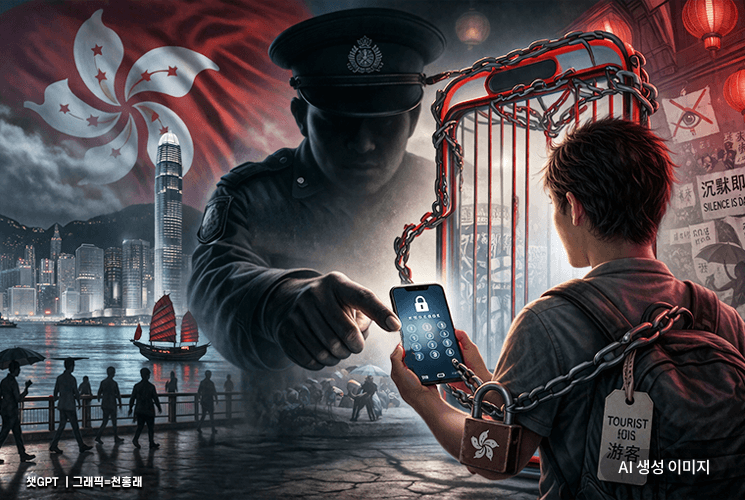
Hong Kong revised its National Security Ordinance to mandate surrendering device passwords, punishable by up to one year in prison.
““Hong Kong government also has more authority to take and keep any personal devices, as evidence, that they claim are linked to national security offenses”
The amendments also granted police powers to demand information from organizations deemed foreign political entities.

The U.S. Consulate issued a security alert warning the law applies to everyone, including American transiting through the airport.
US-China Diplomatic Clash
China summoned the U.S. Consul General, expressing strong dissatisfaction and firm opposition.
The Hong Kong office of China’s Ministry of Foreign Affairs accused the U.S. of interfering in internal affairs.

The diplomatic tensions highlight how the security law's expansive powers have triggered international fallout.
Legal and Human Rights Concerns
Urania Chiu warned the new provisions interfere with fundamental liberties including privacy and right to fair trial.
“Commissioner’s Office of China's Foreign Ministry in HKSAR lodges solemn representations with US over interference [](https://subscribe”
The amendments empower police to require suspects to provide passwords without judicial authorization.
Critics argue the powers are grossly disproportionate to any legitimate aim.
International Impact
The U.S. security alert marked an unusual escalation in diplomatic tensions.
The password surrender mandate extends beyond residents to visitors and transiting travelers.
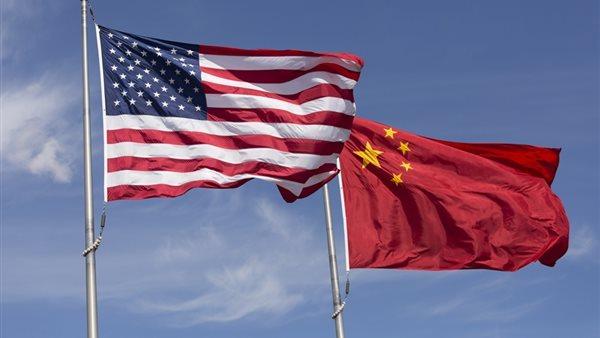
Non-Western outlets emphasized the retaliatory nature of China summoning the U.S. Consul.