
How Americans Are Feeling the Economic Effects of the War With Iran
Key Takeaways
- Gas prices in the United States have risen since U.S. and Israeli attacks on Iran
- Food prices are likely to increase as the Middle East conflict continues, experts warn
- Prolonged conflict would worsen economic fallout for American consumers
Economic fallout from Iran attack
Less than two weeks after U.S. and Israeli forces attacked Iran, the article reports Americans are already feeling economic effects: gasoline prices have risen, food prices are likely to increase, and stock-market volatility could threaten retirement savings.
“War in theMiddle East Advertisement Supported by Gas prices are rising, with the cost of food likely to follow”
President Trump initially said the war would last 'four to five weeks,' but the article says he has recently sent mixed signals that it could become a prolonged fight.
Experts warned that a longer conflict could prompt consumers to cut spending and businesses to slow hiring or lay off workers, magnifying fallout for the broader economy.
Gasoline and oil impacts
The average price of gasoline in the United States hit $3.48 a gallon on Monday, according to the AAA motor club.
That is a nearly 17 percent increase since the first U.S.-Israeli attacks on Iran on Feb. 28.
Diesel prices have risen 24 percent since the start of the war, to nearly $4.66 a gallon.
Mark Zandi, chief economist at Moody's Analytics, told the paper that higher diesel and oil costs could raise the price of goods shipped by truck, including Amazon packages and food.
The international benchmark oil price briefly jumped to almost $120 on Monday before ending the day below $90 after Mr. Trump made remarks suggesting a shorter conflict.
Mr. Zandi said that if the price settles at about $95 a barrel, a gallon of regular gas could hit $3.75 or $4 by next week.
He added, 'There is already significant, serious fallout for the war.'
Strait of Hormuz impact
The article attributes energy-price spikes in part to the war throttling ship traffic in the Strait of Hormuz, the narrow waterway off Iran's southern coast where about one-fifth of the world's oil is transported.
“War in theMiddle East Advertisement Supported by Gas prices are rising, with the cost of food likely to follow”
The source provided to this summary was truncated mid-article, and the remainder of the New York Times story was not retrievable, so any additional examples, figures, or analysis that may have appeared later are unavailable for this summary.
More on Iran-Israel

Escalation in Iran Pushes Oil Near $120, Sparks Gas Price Surge in Los Angeles
10 sources compared
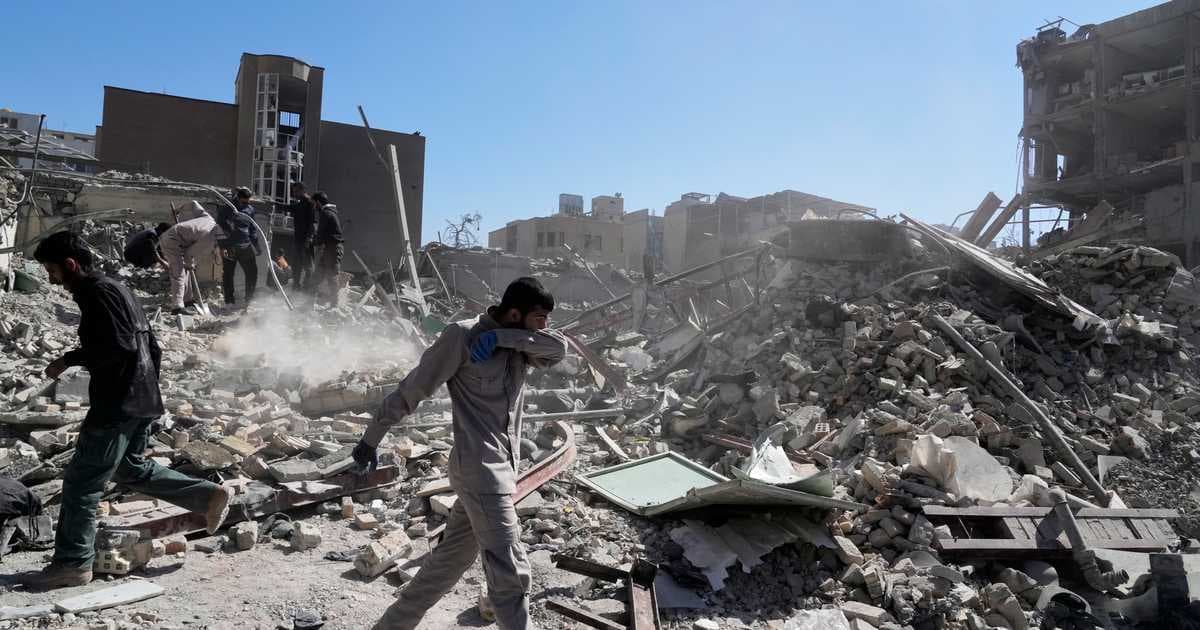
U.S. Intercepts Iran Message Activating Sleeper Cells After U.S.-Israel Strike Kills Khamenei
14 sources compared

Iran Threatens To Confiscate Property Of Iranians Abroad Who Support US And Israel
14 sources compared
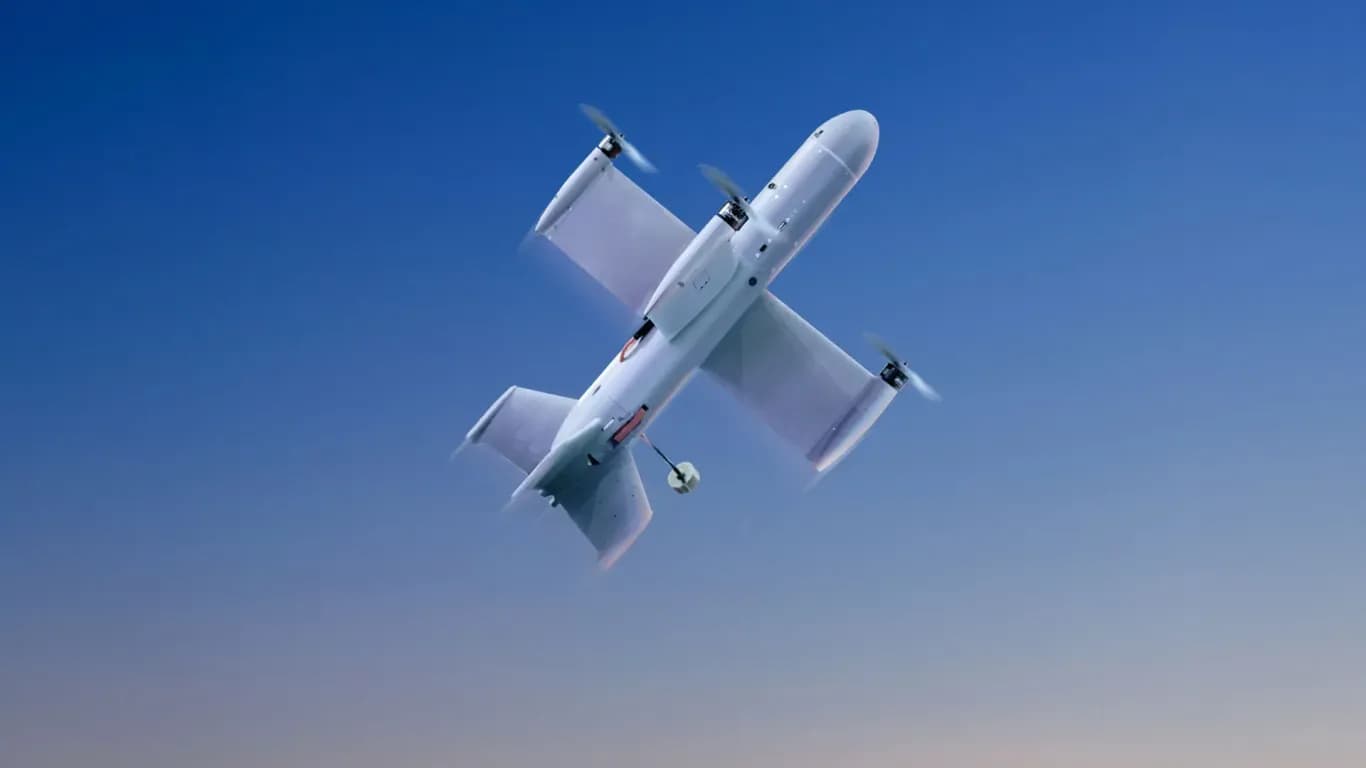
Ukraine Sends Drones, Experts to Shield U.S. Bases in Jordan From Iran
16 sources compared