
Hundreds of Schools in England and Wales Close Early as UK Heatwave Reaches Near 40C
Key Takeaways
- Temperatures in England and Wales approach 40C during the heatwave.
- Hundreds of schools in England and Wales close or dismiss early.
- Historic heatwaves, like 1976, are framed as our new normal.
Heatwave closes schools
Hundreds of schools in England and Wales are being forced to send children home this week as the UK braces for extreme temperatures, with the mercury set to reach close to 40C and a rare red warning for extreme heat coming into force on Wednesday.
“June temperature records are set to be broken this week as the second heatwave of the year grips England and Wales”
The Met Office said an “exceptional spell of hot and humid weather” is forecast in parts of the East Midlands, east of England, London & south east England, south west England, Wales, and West Midlands, where the red warning lasts until 9pm on Thursday.
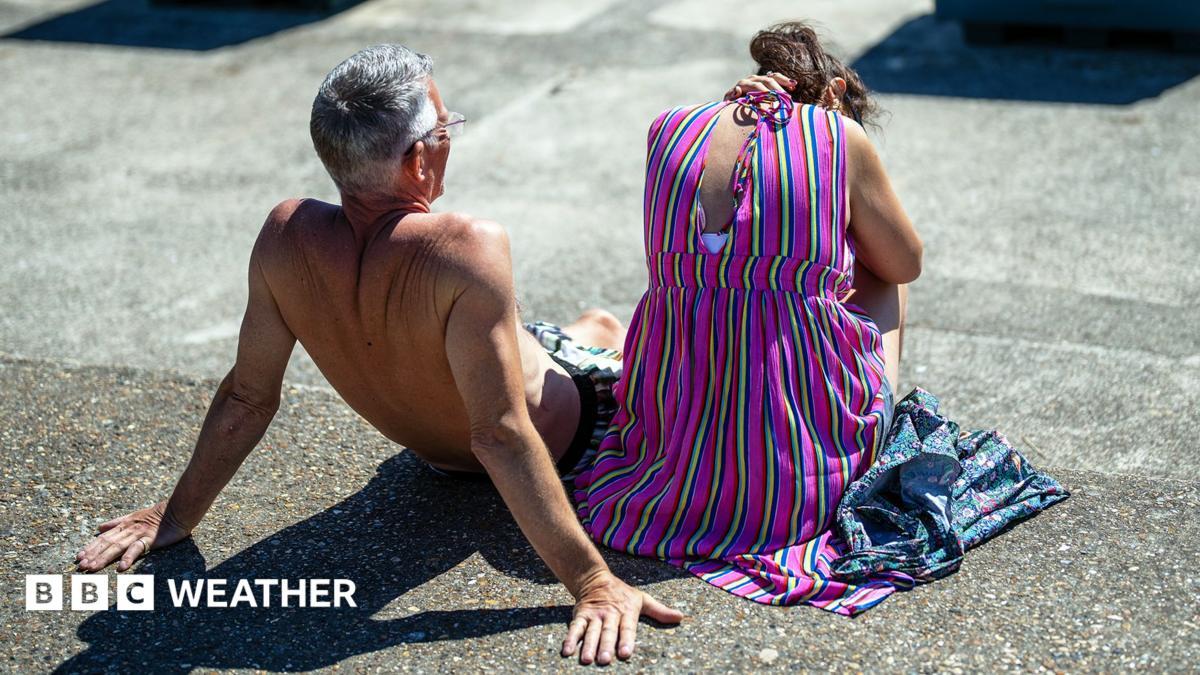
Some 100 schools in Somerset will be closed over the next three days, with the vast majority fully closed on Wednesday and Thursday, according to Somerset Council, while Buckinghamshire and Gloucestershire also reported large numbers of closures.
The Independent’s list includes London’s Sydenham School in Lewisham, Fielding Primary School and Nursery, and Cheam High School in Ealing, with multiple schools listed as closed on Wednesday and Thursday or closed on Thursday and Friday.
Although there is no maximum temperature limit for classrooms, schools can decide if they want to close early, and children at some schools have been told they can wear PE kit rather than full school uniform.
Heat dome and humidity
The BBC said this heatwave feels worse than the last one because a static and large area of high pressure, also referred to as a heat dome, is the “driving force” behind the event.
Dr Akshay Deoras, senior research scientist at the University of Reading, told BBC Weather that the pattern results in air sinking down through the atmosphere, compresses and heats up as it hits the ground, and dries out so no clouds can form.

The BBC explained that high humidity prevents the body from cooling down effectively because sweat cannot evaporate and cool the air next to the skin as well as it would in dry conditions.
With the forecast maximum of 35C, the BBC said it may feel like 41C, and it warned that overnight temperatures will remain high as some locations do not get cooler than 20C, called “tropical nights”.
The BBC added that some places could be warmer than the current UK and England record of 22.7C set in 1976, and the Wales record of 20.3C set just this week.
Records, deaths, and modelling
The Guardian tied the current emergency to the historic summer of 1976, saying the heatwave began 50 years ago on Tuesday and delivered 15 consecutive days with peak temperatures above 32C.
“Hundreds of schools in England and Wales are being forced to send children home this week as the UK braces for extreme temperatures”
It reported that in 1976, Britain imported an extra million tonnes of grain, food prices rose by 12%, and “each day, 250 people died from heat-related deaths,” while the UK Health Security Agency issued its second-ever red heat health alert for six regions of England.
The Guardian also quoted Ed Hawkins, professor of climate science at the University of Reading, saying “a comparable event to 1976 would be 3 degrees hotter today,” and it described Met Office modelling of a 14-day heatwave event with temperatures over 40C for nine consecutive days in the 2050s.
In the same piece, Laura Tobin, English broadcast meteorologist and scientist, recalled that when she reported on the first red heat health alert in the summer of 2022, “people will die,” and she said it “played out that nearly 3,000 people died in the UK and 61,000 people died across Europe.”
The Guardian said new modelling by Hayley Fowler, professor of climate change impacts at Newcastle University, found that if the same heatwave happened today it would be 20% dryer and the water deficit would be 10% greater, with England alone facing a public water supply shortfall of about 5bn litres per day by 2055.
More on Technology and Science

Slate Auto Begins Taking $300 Preorders for $24,950 Electric Pickup With 205-Mile Range
15 sources compared

Donna Ockenden Review Finds Nottingham University Hospitals NHS Trust Systemic Failures Killed Mothers And Babies
10 sources compared
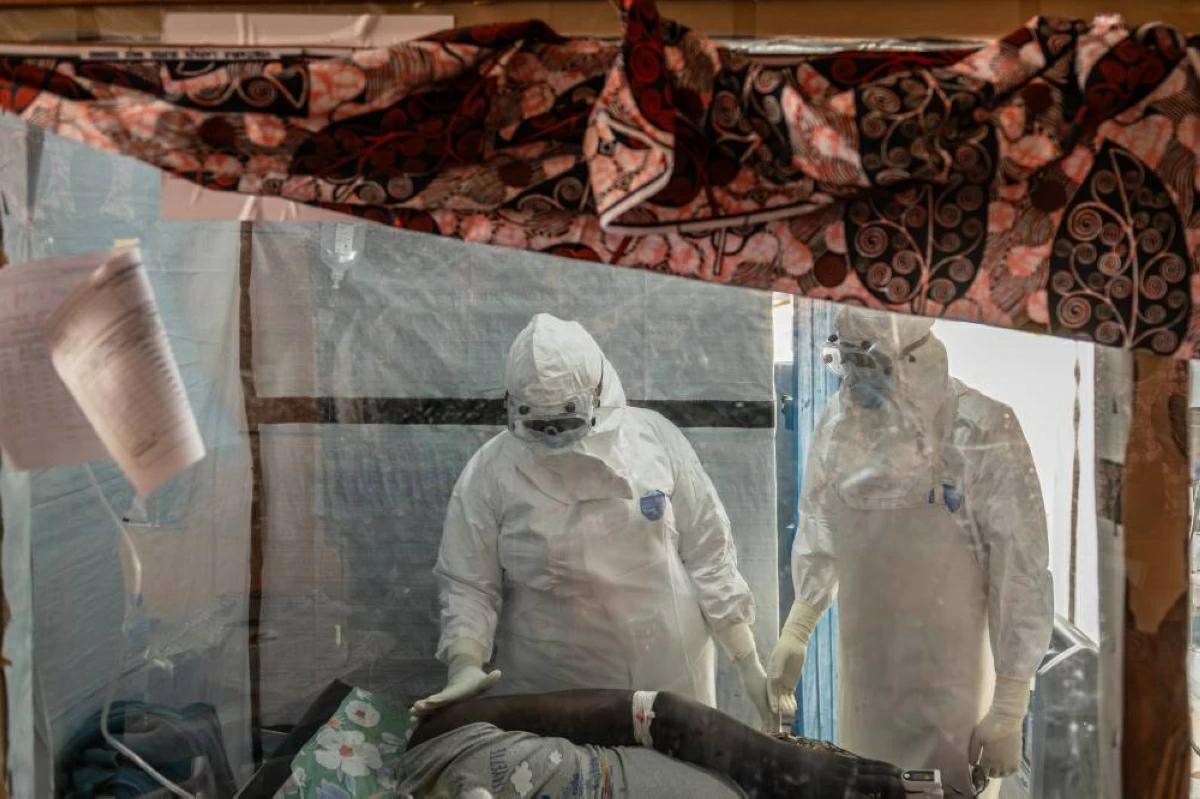
France Confirms First Ebola Case After Doctor Returns From Democratic Republic Of The Congo
28 sources compared

Marine Le Pen Pushes Air Conditioning Plan as France’s Heatwave Fuels Political Divide
10 sources compared