USA26 March, 20262 min read
ICE Deploys Agents to 14 U.S. Airports to Shore Up Screening and Crowd Control
This article is an automated aggregation of coverage from news outlets. Our editorials offer in-depth analysis curated by the NewsCord team.
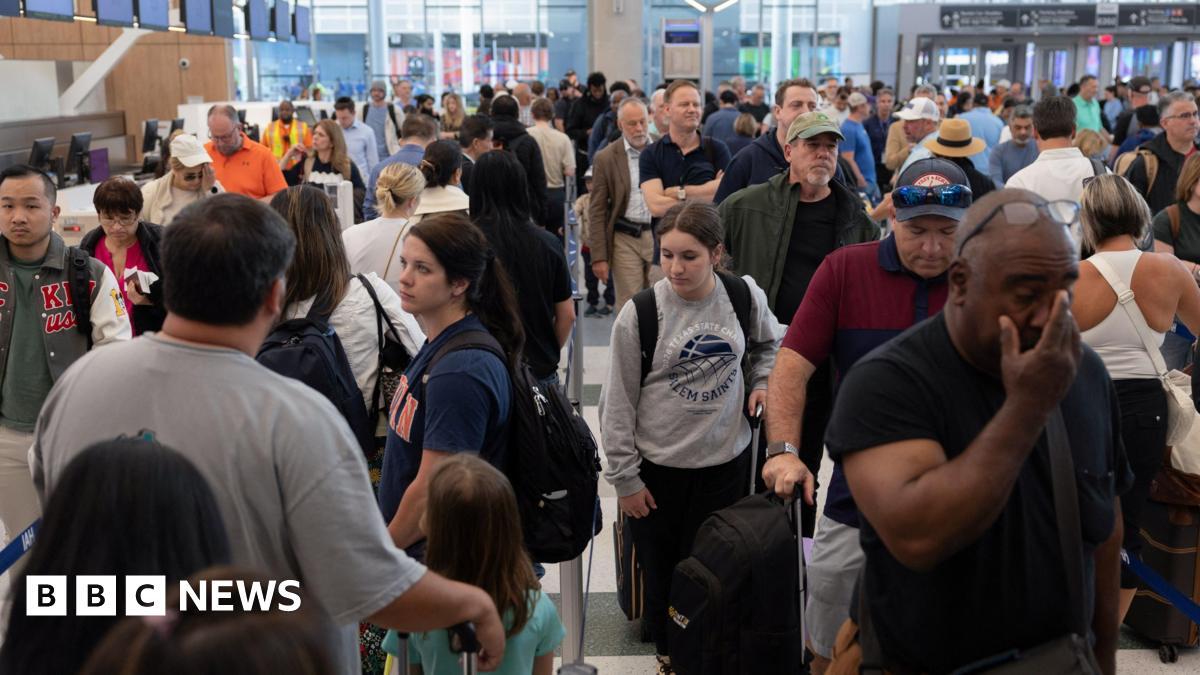
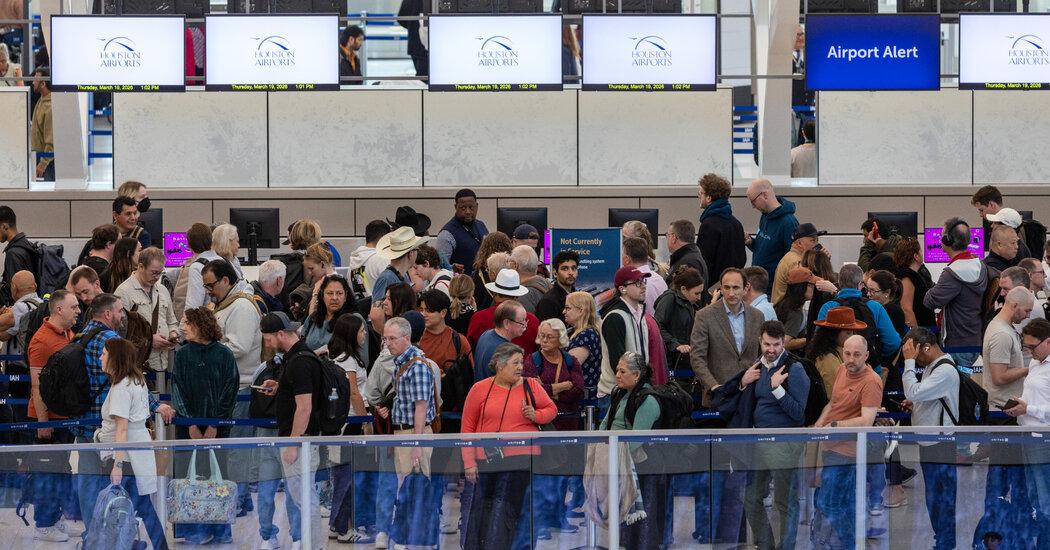
Houston Bush Intercontinental wait times topped four hours amid TSA staffing shortages during shutdown. Nationwide airport wait times were record-high as TSA shortages persisted during the partial shutdown.
New ICE deployment widens TSA crisis
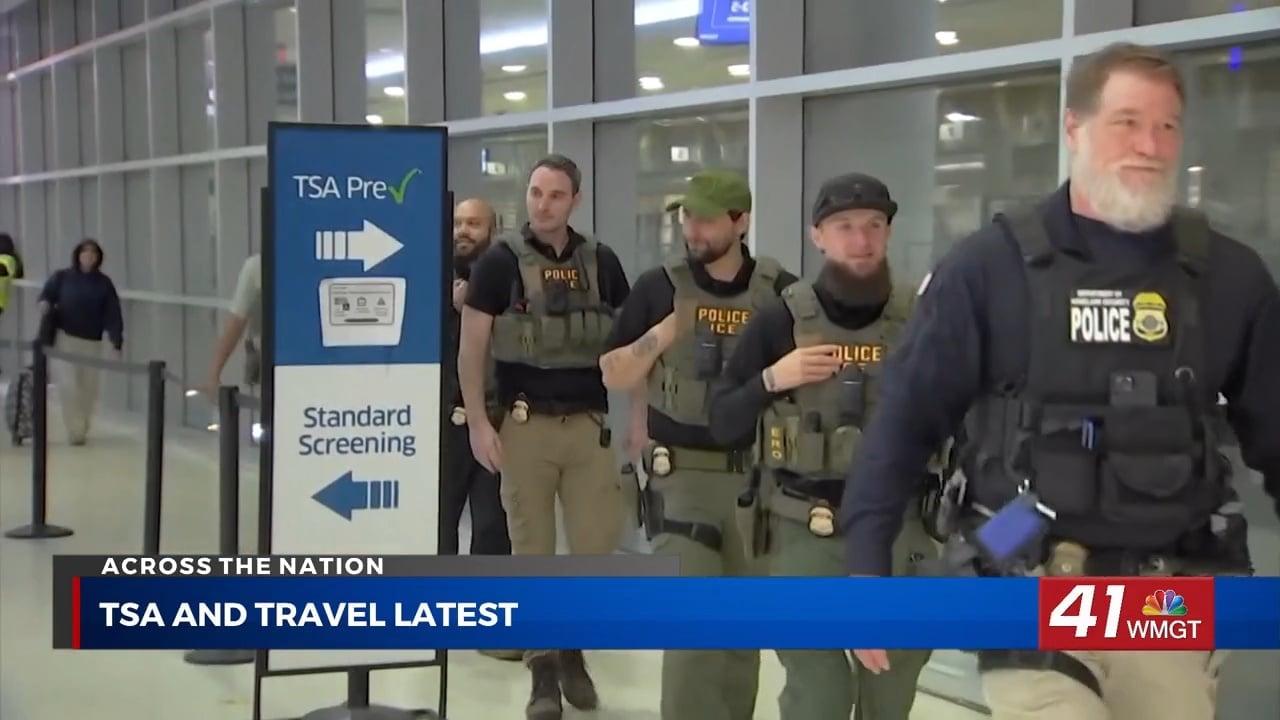
The single most important new development this week is the explicit deployment of ICE agents to 14 U.S. airports to shore up screening capacity and crowd control as TSA staffing gaps widen under the budget impasse, a shift that coincides with Houston’s Bush Intercontinental facing security lines near four hours. The move underscores a broader federal response to the TSA shortfall, rather than a purely airport-specific issue.
“On Monday, the Trump administration said hundreds of US Immigration and Customs Enforcement (ICE) agents had been sent to 14 airports in cities including New York, Atlanta and Houston to help fill the void.”
In Houston, the combination of spring-break crowds and a partial government shutdown has translated into visible congestion, with wait times ballooning as screening capacity is dialed back. Non-U.S. outlets highlighted the same dynamic, noting ICE involvement at multiple hubs as part of the federal attempt to manage crowding amid payless TSA staffing.
Houston-specific bottlenecks and staffing
Houston-specific bottlenecks are now the story behind the four-hour waits: AUS has opened a fourth checkpoint, but TSA screening is now concentrated in only two terminals, and the staffing shortfall is acute. The setup—Terminals A and E handling screening only—drives lengthy lines and forces travelers to plan far more time into their trips.
The airport reported the surge as it prepared for peak days, with some days anticipated to exceed 30,000 departing passengers—roughly 50% more than typical Saturdays. The call-out rate among TSA personnel at Bush has hovered around 40% as lines lengthen, and nationwide disruption compounds this pressure, with more than 3,000 TSA workers nationwide not showing up on a recent day.

Funding impasse and the demand for backpay
The governance question is not whether lines exist, but what Congress is being asked to do to fix them: fund the DHS and pay TSA officers, or face recurring airport gridlock that could force service disruptions. The dominant framing from U.S. outlets centers on a funding stalemate in which TSA workers have not been paid, and lawmakers have stalled on a broader immigration-enforcement package tied to DHS funding.
“The Democrats' political games are making spring break travel a NIGHTMARE as they continue to withhold funding from DHS and refuse to pay our TSA officers.”
One Western outlet notes the public-facing consequence: the DHS’s funding dispute is directly creating travel chaos, while officials and unions call for backpay or bonuses to stabilize staffing. The BBC quotes a harsh framing that Democrats are withholding funding and TSA pay, signaling that immediate funding and backpay are being demanded to end the disruption.
Global coverage and human toll
Globally, coverage highlights that Houston’s delays are part of a broader, region-wide disruption tied to a shutdown that has stranded TSA staffing at multiple hubs, with non-Western outlets framing the situation as a global travel disruption rather than a purely domestic issue. Reports describe CERAWeek-era travel chaos in Houston tied to the same TSA gaps, with ICE deployment cited as a temporary workaround at major hubs.
In Houston, a local narrative embraces the human toll: workers waiting in basement queues, with long waits captured in vivid detail as ICE personnel direct crowds rather than perform screening. These international and regional perspectives emphasize that the shutdown’s impact on travel isn’t isolated to a single city, but reverberates through global travel networks.