ICJ Says States’ Climate Obligation Violations Are Unlawful And Could Require Reparations
Key Takeaways
- ICJ advisory opinion states states must prevent climate damage and reduce emissions.
- Advisory, unprecedented opinion aims to influence global climate jurisprudence.
- UN News and Climate Home describe it as turning point for international climate law.
ICJ Climate Obligations
On Wednesday, July 23, the International Court of Justice (ICJ) issued an advisory opinion holding that the "violation" of climate obligations constitutes "an internationally wrongful act engaging state responsibility."
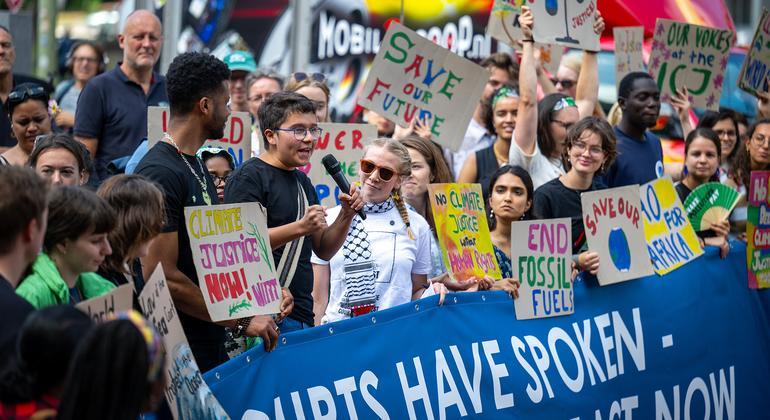
“Vishal Prasad is director of Pacific Islands Students Fighting Climate Change”
The UN’s highest court, based in The Hague, said states commit an "unlawful" act when they violate their climate obligations and could be asked to pay reparations by the most affected countries.
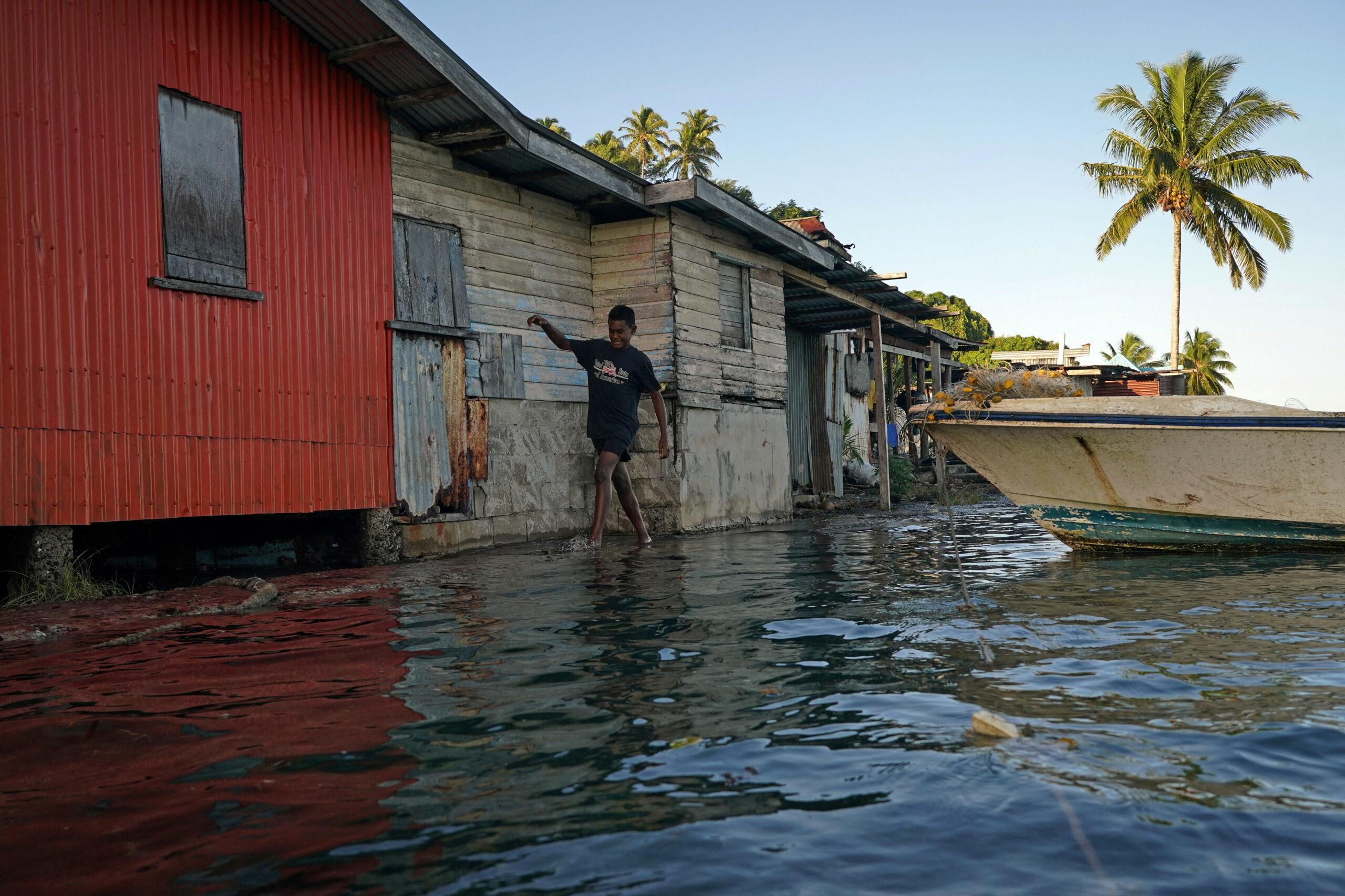
The ICJ president, Judge Yuji Iwasawa, described climate degradation caused by greenhouse gas emissions as an "urgent and existential threat," and the court rejected the idea defended by major polluting countries that existing climate treaties and the annual COP process were sufficient.
The UN News account said the ICJ stated states have the obligation to prevent significant damage to the environment and must cooperate in good faith to curb climate change, reading the ruling in the grand chamber of the Peace Palace in The Hague.
The case was initiated in March 2023 when, at the initiative of Vanuatu, the UN General Assembly referred two questions to the ICJ about legal obligations to protect the climate and the consequences if states fail, with the court’s advisory opinion anchored in customary international law and key treaties including the 1992 United Nations Framework Convention on Climate Change, the 1997 Kyoto Protocol, and the 2015 Paris Agreement.
Voices Applaud, Barriers
Vanuatu’s climate minister Ralph Regenvanu welcomed the opinion as a "historic milestone for climate action," saying he was convinced it would inspire "new judicial actions" around the world after the hearing on the steps of the Peace Palace.
George Bumseng, head of Ambrym island in Vanuatu, said he was "very impressed" and that "We have been waiting for this decision for a long time," because his community had been victims of climate change for about twenty years.
The UN Secretary-General António Guterres hailed the decision as "a victory for the planet, for climate justice, and for young people's ability to drive change," and the Le Monde account said the decision means "clearly that all states are bound, under international law, to protect the global climate system."
In the Le Monde account, Judge Yuji Iwasawa said the court rejected the view that existing climate treaties were enough and argued states have "strict obligations to protect the climate system," while the UN News account emphasized that the absence of absolute scientific certainty should not serve as a pretext for inaction.
The Le Monde account also quoted Johan Rockström saying, "This is a major decision," and Michael Mann calling the opinion a moment when Donald Trump continues to dismantle emissions-reduction efforts, with Mann saying the court’s opinion makes the United States and oil-rich states like Saudi Arabia and Russia "a rogue nation that threatens our people and our planet in the name of fossil fuel profits."
Compensation and Negotiations
The ICJ’s opinion, as described by Le Monde, said the legal consequences of an internationally wrongful act may include "full reparations" through restitution, compensation and satisfaction, but it raised the bar by requiring a direct and certain causal link between the wrongful act and the damage.
“States have a legal obligation to reduce their emissions and protect the climate, according to the ICJ”
Le Monde said the court’s fifth unanimous opinion in eighty years would take time for jurists to digest and for national courts to seize on, while UN News said the advisory opinion is not legally binding but could redraw climate law lines and serve as a reference for national and international courts.
In the UN News account, protesters in front of the Peace Palace waved signs and banners reading "Climate justice now, no more delay," and the court’s message was described as requiring governments to answer not only to their peoples but also to the law.
Climate Home News framed the advisory opinion as a "tool, not an endpoint," with Vishal Prasad saying the Pacific carried the campaign from a classroom in Vanuatu to Europe and New York and now needs a "legal blueprint" carried from courtrooms to negotiating rooms.
Climate Home News also said that at COP30 in Belém countries that supported the campaign cited the opinion in interventions while those blocking progress were concerned, and it added that despite a fierce campaign from the usual suspects, just eight countries including the USA, Saudi Arabia, Russia and Iran voted against an UN General Assembly resolution endorsing the opinion.
More on Technology and Science

Quantum Space Agrees to Go Public Via SPAC Merger With Inflection Point Acquisition Corp. VI
10 sources compared

Coinbase Launches Coinbase for Agents Platform for AI Assistants to Trade Crypto and Make Payments
14 sources compared

ShinyHunters Exploits Oracle PeopleSoft CVE-2026-35273 Zero-Day to Breach Universities
15 sources compared
Scientists Discover 5.3-Million-Year-Old Whale Necropolis in Diamantina Zone of Southeastern Indian Ocean
10 sources compared