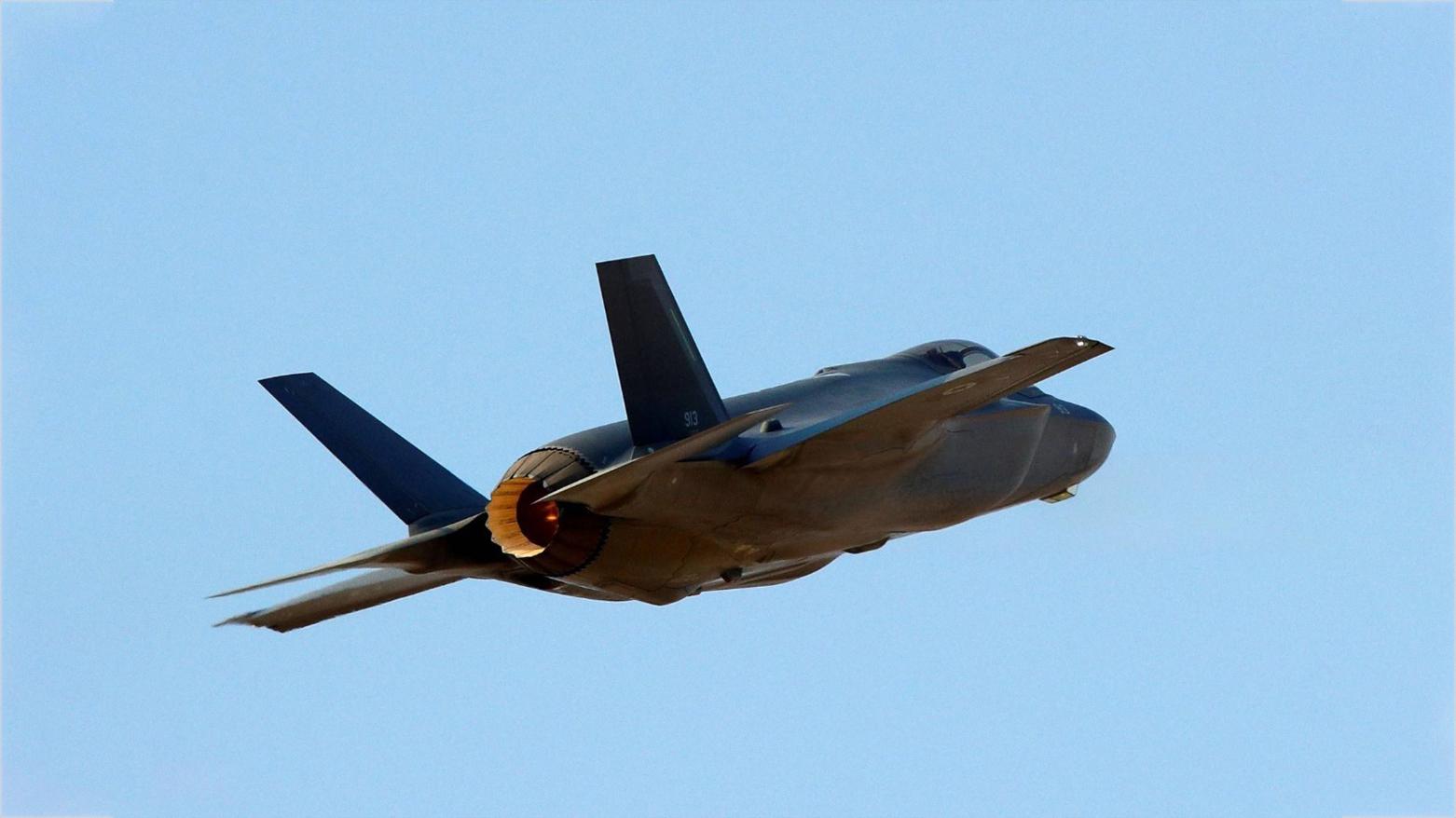
IDF Reports Over 3,000 Strikes in Iran Since Start of Operation Roaring Lion
Key Takeaways
- IDF reports over 3,000 strikes inside Iran since Operation Roaring Lion began.
- IDF says operations continue as the U.S. pursues potential talks with Tehran.
- Iran's energy policy is framed as a strategic tool impacting global markets.
IDF Strike Campaign
The Israel Defense Forces (IDF) has conducted over 3,000 strikes across Iran since the beginning of Operation Roaring Lion.
“IDF Reports 3,000+ Strikes in Iran Since Start of War as U”
The IDF announced via its X account on Tuesday that these strikes have targeted various Iranian Revolutionary Guard Corps (IRGC) facilities.
These include command centers, weapons storage facilities, and aerial defense systems throughout Iran.
Recent operations have specifically focused on ballistic missile storage and launch facilities.
Overnight, an additional 50 sites were struck as part of the ongoing campaign.
The campaign represents a significant military engagement that has been ongoing for weeks.
Netanyahu's Defense
Israeli Prime Minister Benjamin Netanyahu has strongly defended the military campaign.
He emphasized Israel's commitment to dismantling both Iran's missile and nuclear programs.
Netanyahu confirmed that operations are continuing in both Iran and Lebanon simultaneously.
Israeli forces are methodically dismantling Iran's strategic weapons capabilities.
He specifically referenced the elimination of two Iranian nuclear scientists as part of the operations.
Netanyahu emphasized the campaign is designed to protect Israel's vital strategic interests.
Diplomatic Pause
United States President Donald Trump has pursued diplomatic channels while implementing a temporary pause in military operations.
“FOCUS Iran: How Tehran turns energy into a strategic weapon Tehran is able to disrupt global supply chains, push prices higher, and put its adversaries into a tight financial corner”
Trump announced a five-day halt on planned strikes against major Iranian energy and electricity targets.
This pause is occurring while preliminary communications with Tehran continue.
Speaking in Memphis, Tennessee, the president described these discussions as 'very, very good'.
Trump indicated that further contact would likely occur by telephone.
This pause represents an attempt to leverage military achievements to potentially realize war goals through an agreement.
Energy Strategy Shift
The conflict has transformed from tactical military engagement to strategic confrontation centered on energy infrastructure.
Tehran has shifted the conflict's center of gravity by targeting Gulf infrastructure.
Iran has effectively blocked the Strait of Hormuz, creating significant geopolitical leverage.
Energy resources have become strategic weapons that offset Iran's military inferiority.
Oil, gas, and maritime routes evolved from targets to instruments of strategic pressure.
This shift creates immediate global economic repercussions and alters adversary calculations.
Economic Warfare Impact
Iran's strategic use of energy infrastructure has created significant economic pressure on global markets.
“FOCUS Iran: How Tehran turns energy into a strategic weapon Tehran is able to disrupt global supply chains, push prices higher, and put its adversaries into a tight financial corner”
Tehran can disrupt global supply chains and push energy prices higher.
This strategy puts adversaries into tight financial corners.
It represents an asymmetrical response to overwhelming military pressure.
Iran leverages economic warfare as means of deterrence and retaliation.
The economic implications force policymakers to reconsider military operation costs.
More on Iran

Pentagon orders 1,000 82nd Airborne troops to West Asia amid Kharg Island seizure talks
13 sources compared

U.S. Prepares to Deploy 1,000 82nd Airborne to West Asia to Seize Airfields
17 sources compared

Pentagon deploys 3,000 82nd Airborne troops to West Asia to backstop Iran war operations
14 sources compared

US, Israel escalate West Asia strikes as US demands Iran roll back nuclear program
12 sources compared