
IEA Agrees to Release Record 400 Million Barrels From Emergency Reserves to Stabilize Markets
Key Takeaways
- IEA agreed to release a record 400 million barrels from emergency oil reserves.
- Release aims to stabilize markets amid supply disruptions linked to the Iran war.
- IEA did not set a specific timeline; reserves released over appropriate, variable timeframes.
IEA record release
The International Energy Agency on Wednesday agreed to release 400 million barrels from member countries’ emergency reserves — the largest coordinated release in the agency’s history.
“The International Energy Agency on Wednesday agreed to release 400 million barrels of oil to address the supply disruption triggered by the Iran war, the largest such action in the organization's history”
The unanimous decision by its 32 members is intended to calm markets amid the Middle East crisis.

Why release was needed
The decision was driven by acute supply disruptions linked to the Iran-related fighting.
Attacks on commercial shipping and other strikes have effectively halted flows through the Strait of Hormuz, prompting fears of a sharp price spike and spurring the coordinated intervention.

Contributions and timing unclear
IAE officials and member governments have not yet specified the pace, duration or the crude/product split of the releases.
“International Energy Agency agrees to record release of emergency oil reserves March 11, 2026 | Associated Press The International Energy Agency (IEA) has agreed to a record release of emergency oil reserves to address the ongoing global energy crisis”
Several countries have outlined planned contributions — Japan said it would release about 80 million barrels, the UK 13.5 million, Germany about 19.5 million, France as much as 14.5 million and South Korea 22.5 million.
The timing will be organised in coming days and left "appropriate to the national circumstances" of each member.
Market response and cuts
Markets reacted sharply: oil briefly jumped toward $120 a barrel before softening after the announcement.
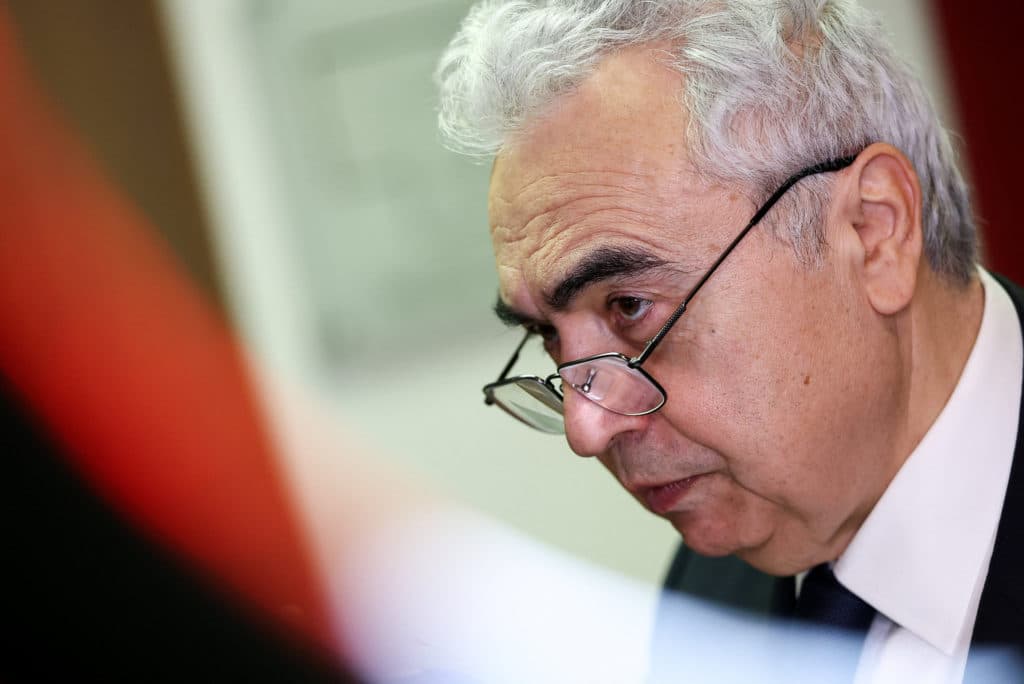
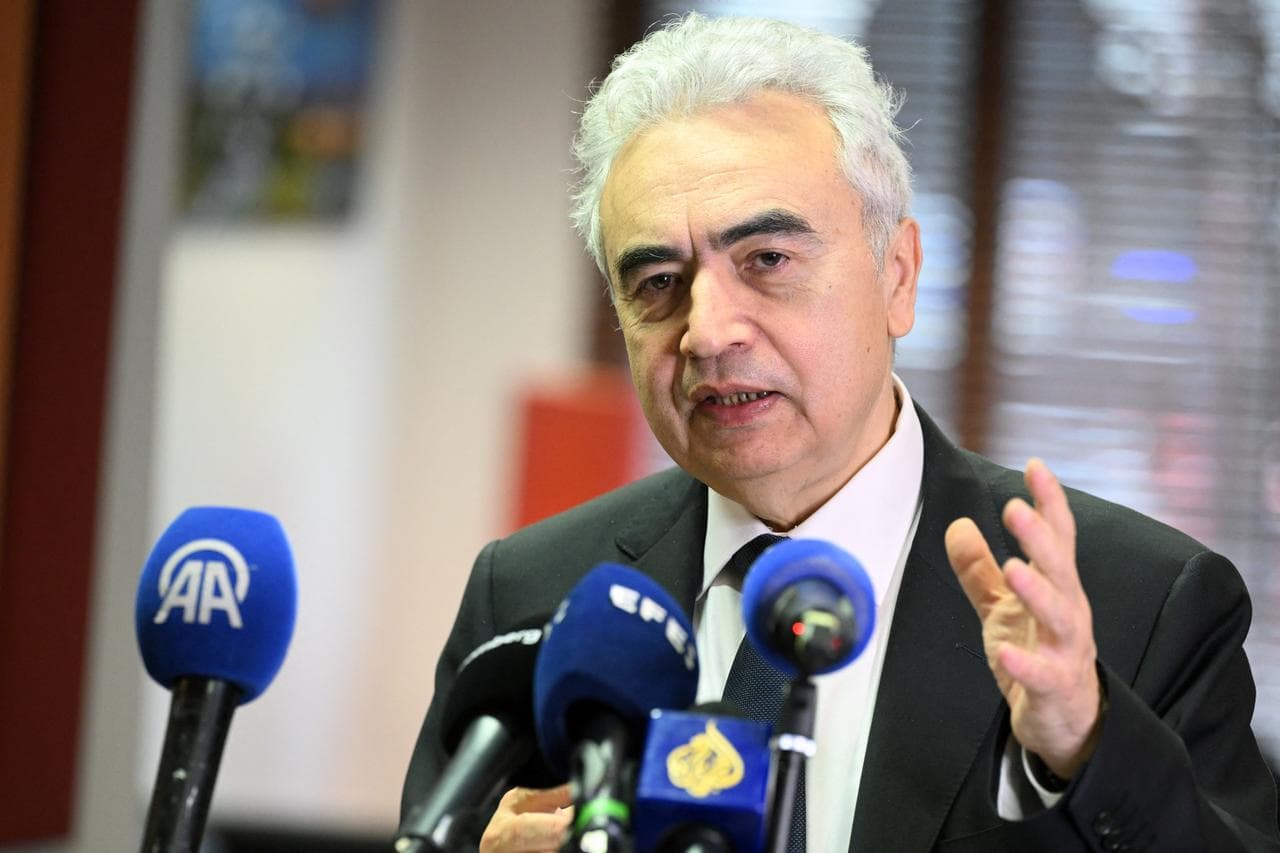
IEA executive director Fatih Birol warned that restoring transit through the Strait of Hormuz remains the most important factor for market stability.
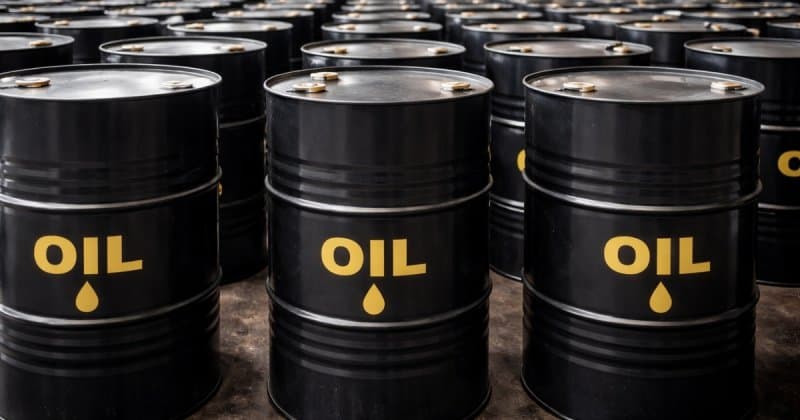
Major producers have deepened voluntary output cuts.
Limits and uncertainty
Analysts cautioned the releases may only partly offset losses.
“The International Energy Agency on Wednesday agreed to release 400 million barrels of oil to address the supply disruption triggered by the Iran war, the largest such action in the organization's history”
Traders gave a wide range for how quickly barrels could reach markets, commonly 1.2–4 million barrels a day.
The U.S. Strategic Petroleum Reserve’s max drawdown is limited and takes time to reach the market, and one bank estimated Persian Gulf supply losses of 11–16 million barrels per day.
More on Iran
IEA Announces Up to 400M-Barrel Release to Avert Oil Spike Amid Middle East War
11 sources compared

IEA Proposes Up To 400 Million Barrel Release; Member Countries Say They Already Agreed
20 sources compared
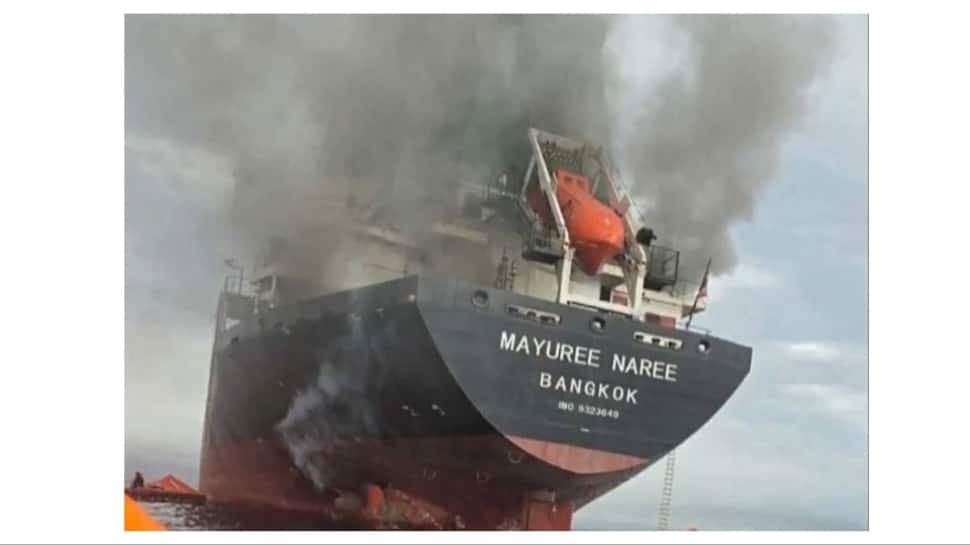
IRGC Attacks Thai Cargo Ship in Strait of Hormuz; 20 Rescued, Three Crew Missing
11 sources compared
Iran Strikes Thai Cargo Ship in Strait of Hormuz Amid Fresh Middle East Attacks
16 sources compared