Immigration Police Kill in Minneapolis, Sparking Revolt Against Trump.
Key Takeaways
- Renee Good, 37, was shot in Minneapolis, triggering protests against immigration authorities.
- Protests against ICE deployment have grown, with clashes between protesters and authorities.
- Local officials challenge the Trump administration over ICE deployment, signaling political tension.
Protest Escalation
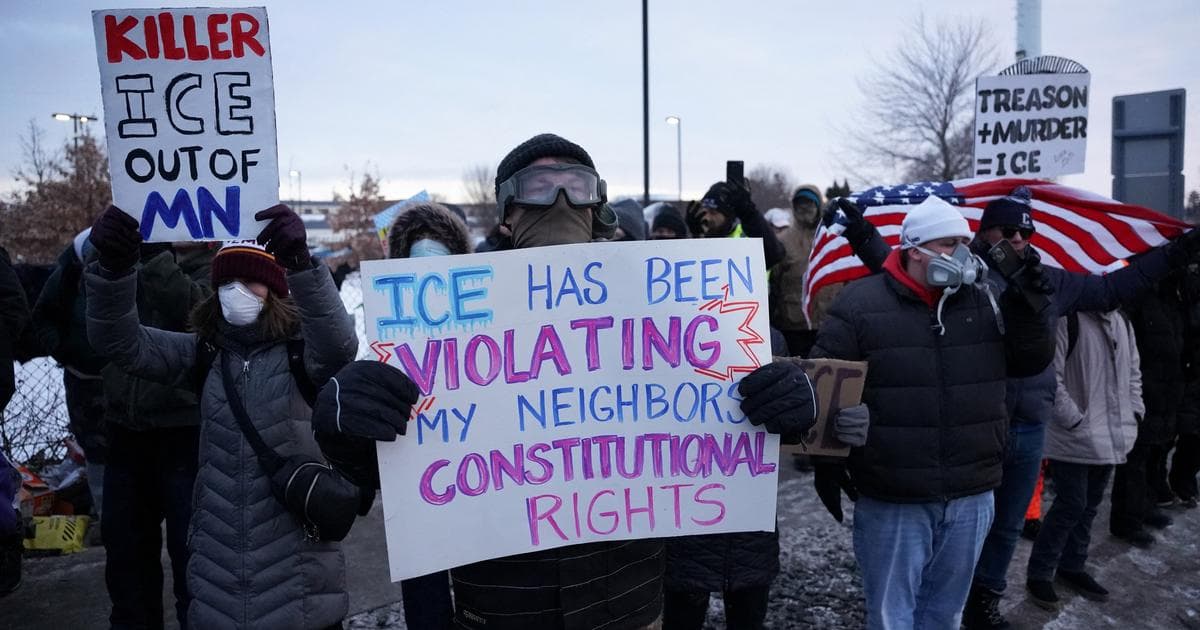
The death of Renee Good has sparked significant demonstrations and growing revolt against Donald Trump's immigration enforcement policies in Minneapolis.
“Minnesota, joined by the mayors of Minneapolis and St”
Protests have intensified outside the Immigration and Customs Enforcement (ICE) headquarters, which is described as large, cubical, and austere.
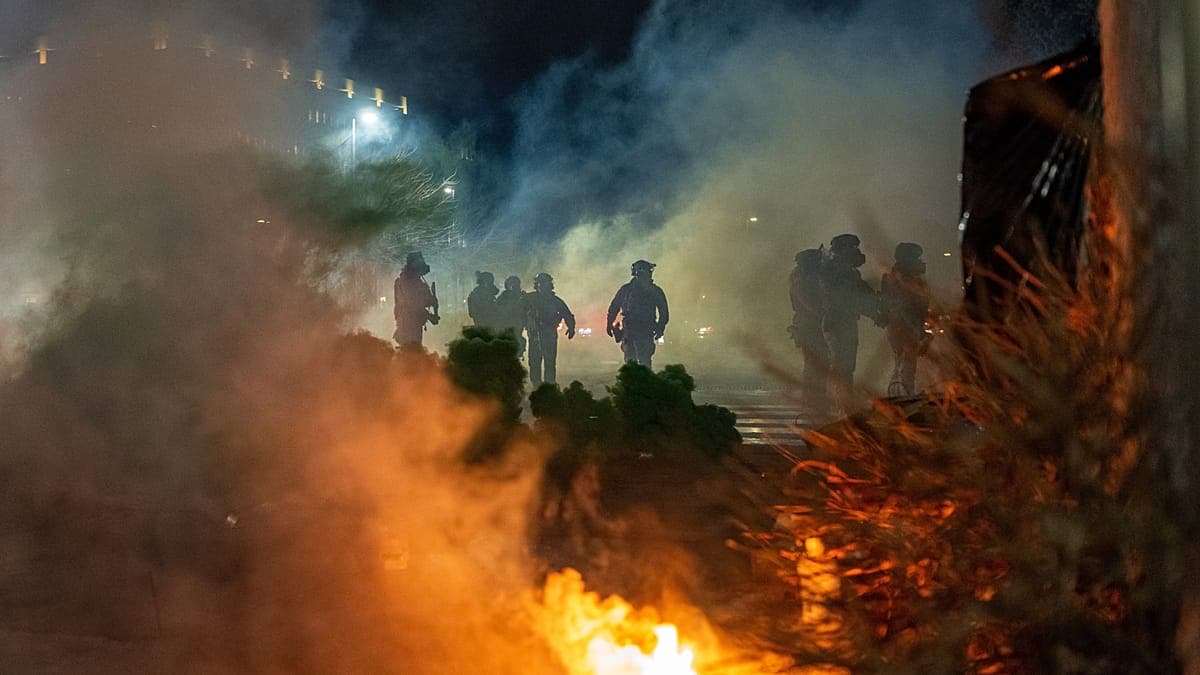
Trucks, pickups, and tinted SUVs have been seen moving back and forth since dawn amidst escalating tensions.
The situation has escalated to the point where the White House has begun a power struggle with local Democratic authorities.
This has created a major political confrontation at the federal-local level over immigration enforcement tactics.
Legal Challenge
The Department of Homeland Security has defiantly continued its aggressive immigration enforcement operations.
DHS claims to have carried out more than 2,000 arrests in Minnesota since December.
This escalation has prompted a swift legal response from state and local authorities.
Minnesota, Minneapolis, and St. Paul have joined forces in a lawsuit against the Trump administration.
The lawsuit argues that the federal government is violating the First Amendment by targeting Democratic-leaning states friendly to immigration.
Official Condemnations
Local officials have issued strong condemnations of what they describe as abusive and unconstitutional ICE practices.
“Minnesota, joined by the mayors of Minneapolis and St”
Minneapolis Mayor Jacob Frey publicly denounced the indiscriminate arrest of American citizens.
Frey specifically criticized agents for dragging pregnant women through snow and pulling teenagers from their cars.
He characterized these actions as clear violations of constitutional rights.
Minnesota Attorney General Keith Ellison denounced 'excessive and deadly use of force,' 'racist, warrantless arrests,' and 'attacks on courts, churches, places of worship, and schools.'
DOJ Controversy
The controversy surrounding Renee Good's death has created significant turmoil within the Department of Justice.
Five prosecutors have reportedly resigned amid controversy over how the agency is conducting its investigation.
A DOJ official stated there was 'no reason' to pursue a criminal civil rights investigation.
This contradicts the ongoing FBI investigation into Good's death.
This apparent contradiction has fueled claims that the Trump administration is failing to hold immigration enforcement officers accountable.
More on USA
President Trump Demands NATO and China Police the Strait of Hormuz
13 sources compared

President Donald Trump asks seven nations to join coalition to police Iran's Strait of Hormuz
10 sources compared

Trump Urges Beijing to Secure Hormuz Strait as Australia Rejects U.S. Naval Escort Mission
32 sources compared

Trump Threatens to Delay Xi Summit Over Iran War and Strait of Hormuz
21 sources compared