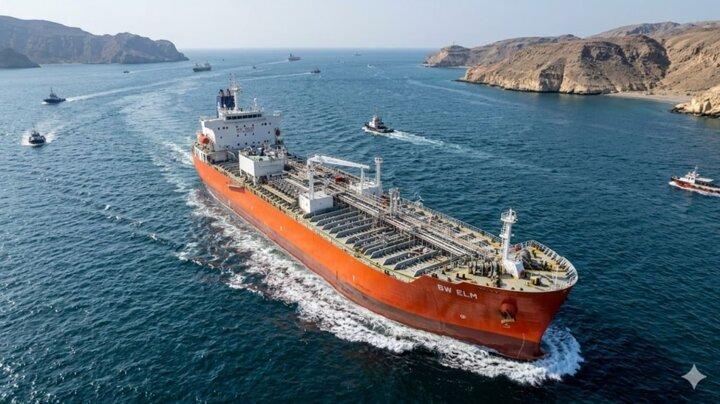
IMO Pauses Strait of Hormuz Seafarer Evacuation After Vessel Attack Near Dahit, Oman
Key Takeaways
- IMO paused the Strait of Hormuz seafarer evacuation after a vessel attack.
- The attack occurred in the Gulf of Oman.
- The halt was temporary, pending safety verification by authorities.
Hormuz evacuation paused
The International Maritime Organization temporarily suspended an operation to evacuate thousands of seafarers from the Strait of Hormuz after a vessel was attacked in the Gulf of Oman on June 25, with IMO Secretary General Arsenio Dominguez saying he paused the plan "to reconfirm that the necessary safety guarantees continue to be in place."
The IMO said the attacked vessel "did not transit under IMO's evacuation framework," and UKMTO reported a cargo vessel was struck on June 25 by an "unknown projectile" 7.5 nautical miles southeast of Dahit, Oman.

The UN agency announced on June 23 it would evacuate more than 11,000 seafarers stranded in the strait after weeks of disruption caused by attacks on commercial shipping in the region amid the US-Israel conflict with Iran.
In parallel, the June 17 framework agreement said Iran pledged to make its "best efforts" to ensure toll-free passage for 60 days, but Iranian officials later said they intend to charge "service fees" for vessels using the waterway.
The incident sharpened the dispute between the United States and Iran over navigation through the Strait of Hormuz, as the IMO paused its evacuation while uncertainty remained over reported Iranian naval mines in the waterway.
Rubio warns on tolls
US Secretary of State Marco Rubio warned that any Iranian tolls on ships traversing the Strait of Hormuz would spread to other waterways "like a contagion," as he wrapped up a trip to the Gulf aimed at winning support for the United States-Iran interim deal.
Rubio said, "International waterways do not belong to any nation-state," after joining a Gulf Cooperation Council meeting in Bahrain, and the US and Gulf countries released a joint statement rejecting any Iranian fees or restrictions on Strait of Hormuz transit.

The joint statement also stressed that free and unimpeded passage through the waterway "remains critical to regional and global security," and it tied any trade with Tehran to Iranian compliance with the memorandum of understanding.
Rubio’s tour was described as the first high-level diplomatic mission since the US and Iran agreed on an MoU to extend their ceasefire and hold talks on a permanent end to the more than 100-day war that started on February 28 with US-Israeli strikes on Iran.
In Bahrain, Rubio also said he would not be asking regional allies to contribute to any reconstruction fund for Iran during the trip, even as the MoU with Iran suggests countries in the region would be partially responsible for footing the bill.
Conditional deal and next steps
After a US-GCC ministerial meeting in Bahrain’s capital of Manama, ministers called for reopening the Strait of Hormuz and rejected "any tolls, fees, or attempts to assert control" over the waterway as negotiations between the US and Iran proceed.
The joint statement said the ministers welcomed an announcement by Oman and the International Maritime Organization on launching an evacuation plan for more than 11,000 seafarers stranded in the region, and it emphasized "free, unconditional, and unrestricted navigation" as essential to regional and global security.
The ministers also said any trade and investment with Iran is "conditional and reversible," depending on Tehran’s compliance with the memorandum of understanding and any final agreement, as well as ending what they described as Iran’s "destabilising behaviour."
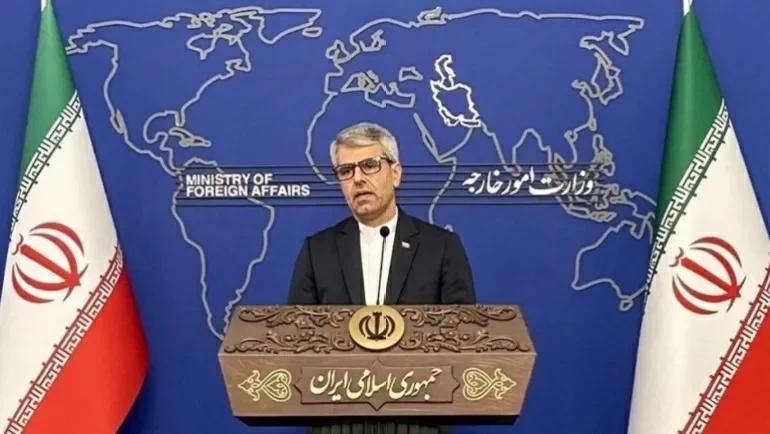
Iran’s Foreign Ministry spokesperson Ismail Baqai ruled out that signing of an agreement with the United States is imminent, saying, "No one can say that we are close to reaching an agreement," while also stating that the nuclear file is not part of the negotiation agreement.
Baqai defended Iran’s imposition of transit fees in the Strait of Hormuz, saying, "We do not seek to impose fees for crossing the Strait of Hormuz, but rather in exchange for environmental protection measures," as Rubio said concluding an agreement between the United States and Iran "is still possible on Monday."
More on Iran
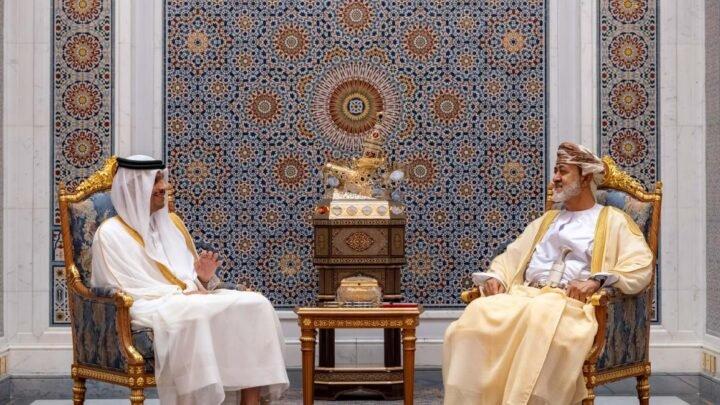
Iran and Oman Coordinate 60-Day Strait of Hormuz Maritime Traffic After US Memorandum
11 sources compared
Iran Accuses NATO Of Complicity After Mark Rutte Says US Planes Took Off From Italy
10 sources compared

Iran Slams NATO Chief Mark Rutte Over Claims U.S. Aircraft Flew From Italy Bases
11 sources compared
UN IMO Pauses Evacuation After Unknown Projectile Strikes Ever Lovely Near Oman
42 sources compared