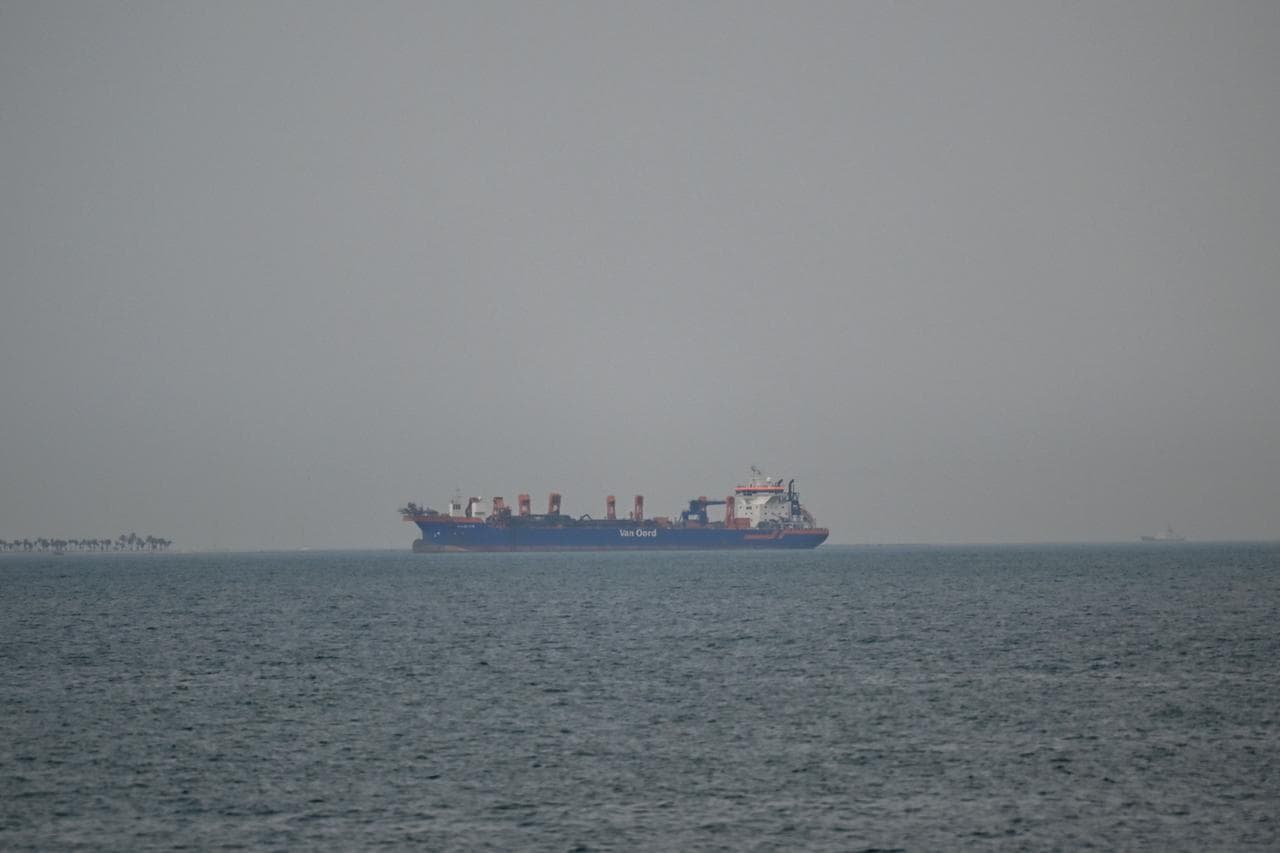
India Says Iran Will Allow Its Tankers Through Hormuz; Iran Denies
Key Takeaways
- An Indian source said Iran will allow India-flagged tankers to transit the Strait of Hormuz
- An Iranian source outside Iran denied that any such agreement had been reached
- About 40% of India's crude imports normally transit the Strait of Hormuz
Conflicting claims
Indian officials told Reuters and were quoted by multiple outlets that Iran would allow Indian-flagged tankers to transit the Strait of Hormuz, but Iranian sources outside the country denied any formal agreement had been reached, leaving the claim disputed.
“NEW DELHI — Iran will allow India-flagged tankers to transit the Strait of Hormuz, a conduit for 40% of the South Asian nation’s crude imports, an Indian government source said on Thursday, but an Iranian source outside the country denied any such deal was reached”
Modern Diplomacy reported that "Iran will allow Indian-flagged oil tankers to transit the Strait of Hormuz, a vital route for about 40% of India’s crude imports, an Indian government source said on Thursday," while France 24 noted the same Indian government source but added that "an Iranian source outside the country denied any such deal was reached."
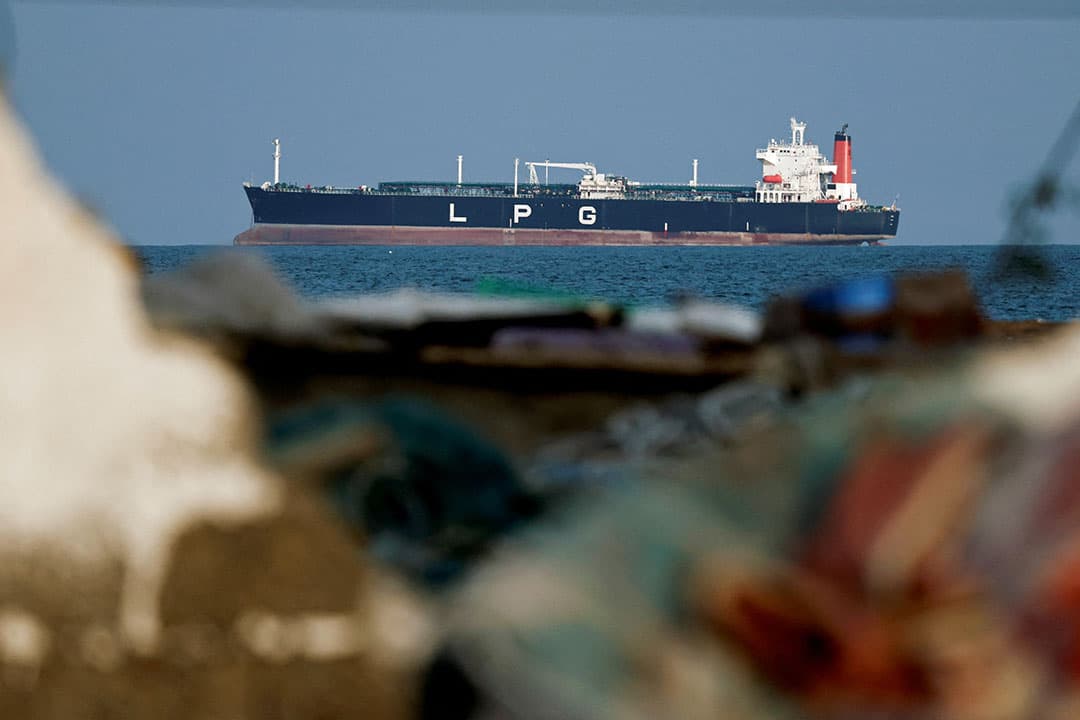
Crude Oil Prices Today also described the situation as "amid conflicting reports about the situation at the world’s most vital oil trade chokepoint," and The New Arab quoted Indian sources saying Tehran had given informal assurances after talks between foreign ministers but that clarity was limited.
Strategic importance
The Strait of Hormuz is a critical chokepoint for India’s energy supplies — roughly 40% of its crude imports pass that way — and at least one tanker has reached India since the wider West Asia conflict began, underscoring the immediate stakes for New Delhi.
Multiple outlets emphasised the 40% figure: Modern Diplomacy described the strait as "a vital route for about 40% of India’s crude imports," and Crude Oil Prices Today wrote that "India... gets about 40% of its oil imports from the Middle East and the Strait of Hormuz."
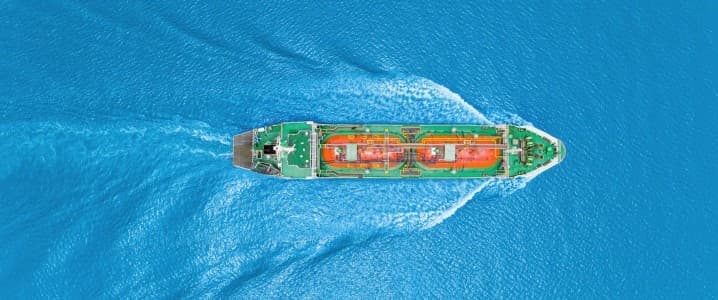
Modern Diplomacy also reported that "the Suezmax tanker Shenlong, carrying Saudi crude, arrived at port in Mumbai after transiting the strait," while several sources (BusinessWorld, The New Arab, Deccan Chronicle) detailed the number of Indian-flagged vessels and crew currently operating near the strait.
Diplomatic talks
Indian and Iranian foreign ministers held recent phone talks focused on maritime safety and energy supplies, and Indian officials said the conversations produced informal assurances but stopped short of a formal pact; Indian spokespeople also urged caution publicly.
“Earlier, the commander of Iran's Islamic Revolutionary Guards Corps' (IRGC) Naval Force said that vessels seeking to sail through the strategically critical Strait of Hormuz must obtain Iran's approval; otherwise, they could become targets of Iranian attacks New Delhi: With the West Asia Conflict putting stress on fuel supply routes that use the Strait of Hormuz, sources said that Iranian authorities have decided to allow Indian flagged ships to pass safely through the Strait, where maritime traffic has all but halted since the US and Israel attacked Iran”
Modern Diplomacy recorded that "foreign ministers from the two countries had spoken three times in recent days, with the latest conversation focusing on maritime safety and energy supplies," while the Indian foreign ministry spokesperson Randhir Jaiswal told reporters that "Beyond that, it would be premature for me to say anything."
BusinessWorld and The New Arab both said that "neither side mentioned any agreement on allowing safe passage for Indian vessels."
Security risks
The backdrop is a heavily militarised and disrupted Strait: multiple sources report Iranian attacks on ships, an IRGC demand that vessels obtain permission, and descriptions of an intensified Iranian enforcement zone that has left many tankers stranded and prompted India to shelter some Iranian sailors.
BusinessWorld reported that "Iran has attacked at least 16 ships in the Strait since the war began in late February," while Deccan Chronicle quoted IRGC naval commander Rear Admiral Alireza Tangsiri saying vessels "must obtain Iran's approval; otherwise, they could become targets of Iranian attacks."
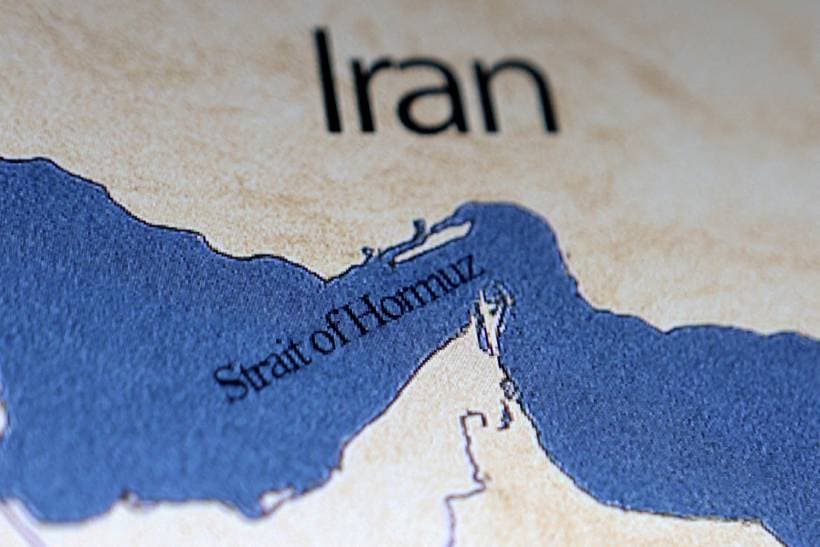
Open Magazine and Crude Oil Prices Today described an IRGC 'no-move' zone and that "dozens of Indian and South Korean oil tankers and more than 1,100 crew were stranded in and around the Persian Gulf as the Strait of Hormuz remains de facto closed to tanker traffic."
Ongoing uncertainty
Observers and the reporting itself note the situation remains fluid and ambiguities persist: some outlets cite informal assurances and specific transits, while official Iranian statements publicly blamed the United States for insecurity and denied any formal deal, creating a gap between on-the-ground movements and diplomatic messaging.
“Iran will allow Indian-flagged oil tankers to transit the Strait of Hormuz, a vital route for about 40% of India’s crude imports, an Indian government source said on Thursday”
The New Arab said "the situation remained fluid, with limited clarity on how instructions were being relayed across different layers of Iran's administration," BusinessWorld quoted Iran's foreign ministry saying the United States should be held accountable for the "insecure situation," and both Modern Diplomacy and France 24 reiterated that an Iranian source outside the country "denied that any formal agreement had been finalised/reached."

More on Iran

Iranian Drone Boats Attack Two Oil Tankers Off Iraq, Kill One Crew Member
15 sources compared

President Donald Trump Warns Iran Soccer Team Not to Attend World Cup Over Safety Concerns
10 sources compared

Iran Attacks Two Oil Tankers Off Iraq, Kills Indian Crew Member
19 sources compared

Supreme Leader Mojtaba Khamenei Vows to Keep Strait of Hormuz Closed
10 sources compared