
Supreme Leader Mojtaba Khamenei Vows to Keep Strait of Hormuz Closed
Key Takeaways
- Khamenei vowed to keep the Strait of Hormuz closed as leverage against the United States
- State TV read his first message; he has not appeared in public or on camera
- Attacks on tankers and facilities pushed Brent crude above US$100 and disrupted shipping
First public message
Iran’s newly identified Supreme Leader, Mojtaba Khamenei, issued what Iranian officials and state media described as his first public message since assuming leadership, vowing to keep the Strait of Hormuz closed and to use it as leverage against the United States and Israel.
“• Iran’s new leader: In his first purported message since becoming supreme leader, Ayatollah Mojtaba Khamenei said the critical Strait of Hormuz will remain essentially closed as a “tool of pressure” and that Iran’s neighbors are being targeted due to US bases”
The statement was read on state television rather than delivered in person, and Iranian outlets framed it as a pledge to continue fighting and to avenge the dead.

Multiple outlets emphasise that the declaration ties control of the 21-mile-wide maritime chokepoint directly to Tehran’s strategy in the ongoing war and that the message arrived amid intense regional hostilities.
This speech was widely reported as the new leader’s first remarks since succeeding Ayatollah Ali Khamenei.
Delivery and uncertainty
Iranic state media broadcast manner and uncertainties around the leader’s condition shaped coverage: reports emphasised that Khamenei did not appear in person and that the remarks were read by a state television presenter.
Other outlets documented confusion over family casualties and contradictory accounts about who was wounded or killed.
Media organisations reported conflicting information about the fate of the late leader’s family, and state-affiliated outlets have disputed some casualty reports.
Independent observers and outlets also noted severe internet restrictions inside Iran, complicating verification and allowing state channels to dominate the narrative.
Threats to US bases
Khamenei’s statement went beyond the Strait of Hormuz, explicitly threatening continued attacks on U.S. military bases in the region and urging Gulf states to deny American facilities shelter — a demand framed by Iranian outlets as part of defensive retaliation.
“HONG KONG, March 12 — Oil soared above US$100 (RM392) and stocks sank Thursday as Iran’s fresh attempts to hit supplies in the Middle East and threats to bring down the global economy overshadowed a record release of strategic crude by the International Energy Agency”
Regional and Western media picked up his call for Gulf countries to "shut down" U.S. bases and quoted the pledge to continue striking U.S. positions as a central component of Tehran’s strategy.
Those warnings were presented as leverage tied to control of maritime traffic through the Hormuz chokepoint.
Oil and shipping impact
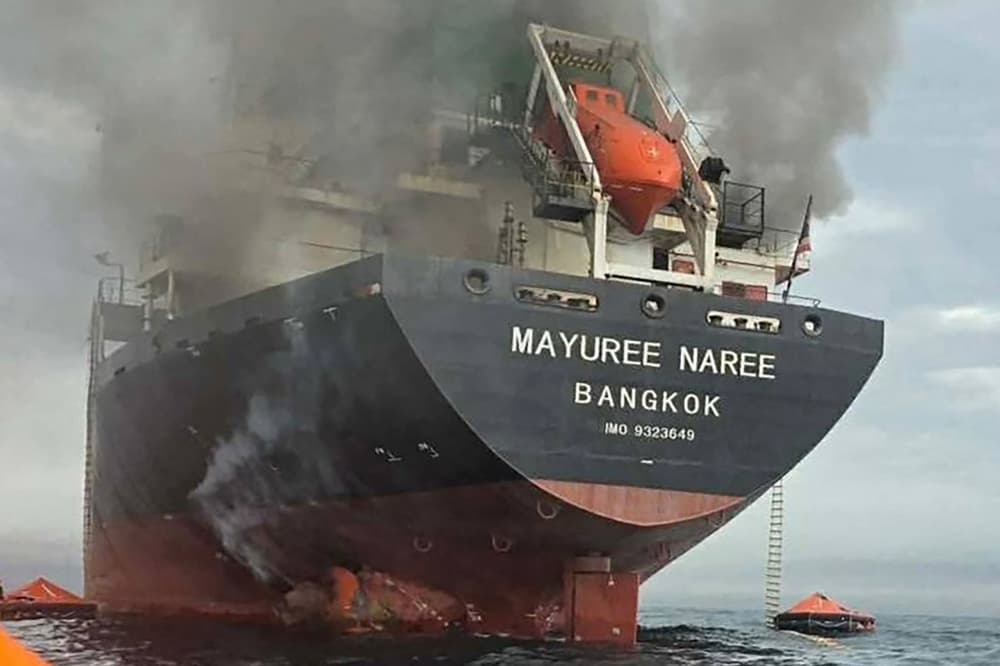
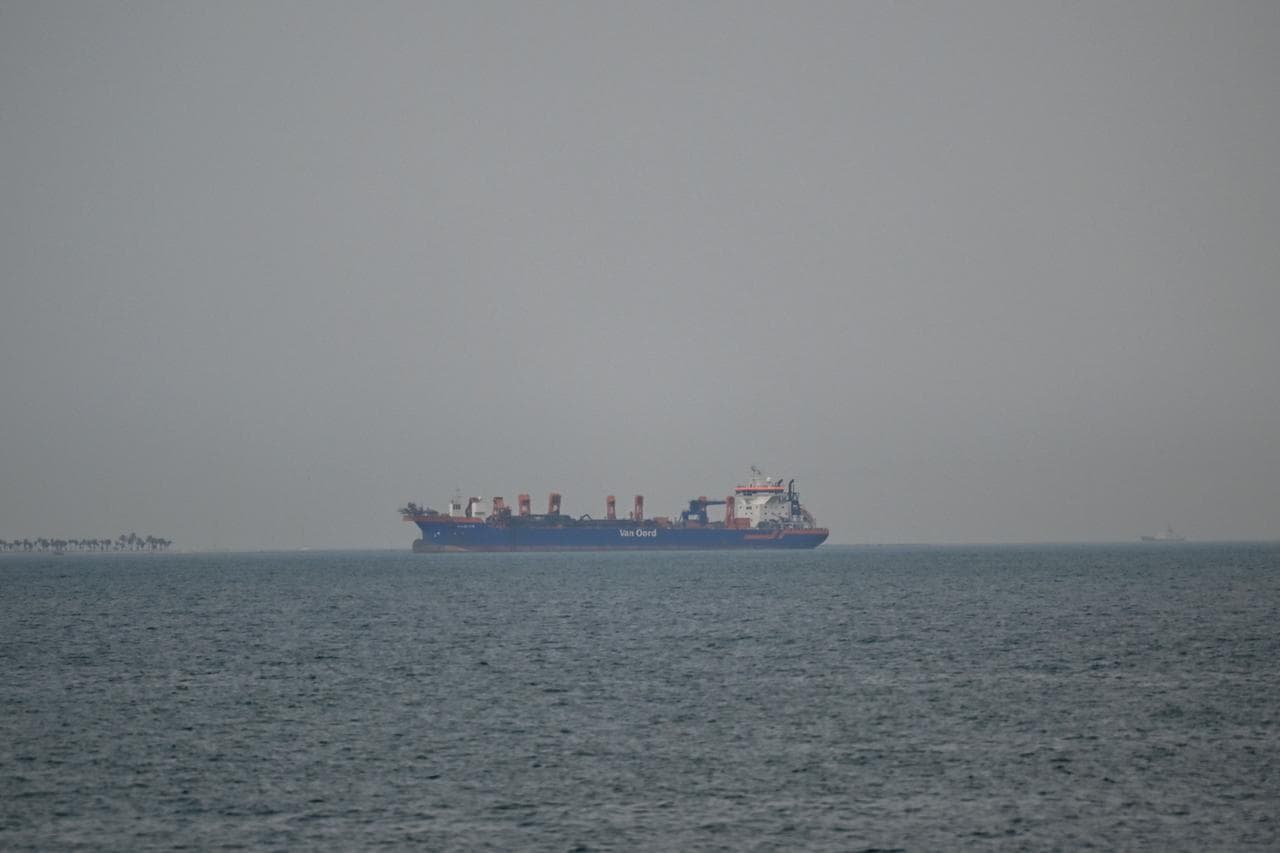
The statement intensified immediate concern about global energy supplies and shipping: outlets reported that attacks on vessels in the Persian Gulf and near the Strait of Hormuz have multiplied and that fear of further strikes has effectively halted traffic through the corridor.
Those disruptions have pushed Brent and other benchmarks back above $100 a barrel.

Analysts and national officials warned of the broader economic fallout, with some commentators calling the move the most direct threat to the global energy supply in decades.
International bodies monitoring maritime trade documented more than a dozen attacks on vessels since the war’s outbreak, reinforcing the reality of a substantially disrupted seaway.
Regional escalation
Reporting on the wider conflict emphasises rapid escalation on multiple fronts: outlets documented large-scale U.S. and Israeli strikes, widespread displacement, cyberattacks tied to pro-Iran actors, and a high operational tempo by U.S. forces trying to protect shipping and regional partners.
“Iran says its new leader made his 1st address, vowing to keep Strait of Hormuz closed The war with Iran entered its 13th day Thursday, as Iran issued what it said was the first message from its supreme leader, as attacks on commercial ships spread to Iraq's waters and oil prices climbed back above $100 a barrel”
The U.S. military and allied authorities reported thousands of strikes and strikes on vessels to prevent closure of the Hormuz corridor, while humanitarian agencies cited millions displaced in Iran and Lebanon as the fighting has battered populated areas.
Media sources flagged that the information environment is clouded by state messaging and restricted communications, producing a mix of verifiable incidents and contested claims.
More on Iran
India Says Iran Will Allow Its Tankers Through Hormuz; Iran Denies
10 sources compared

Iranian Drone Boats Attack Two Oil Tankers Off Iraq, Kill One Crew Member
15 sources compared

President Donald Trump Warns Iran Soccer Team Not to Attend World Cup Over Safety Concerns
10 sources compared

Iran attacks US-owned oil tanker near Basra, kills Indian sailor
11 sources compared