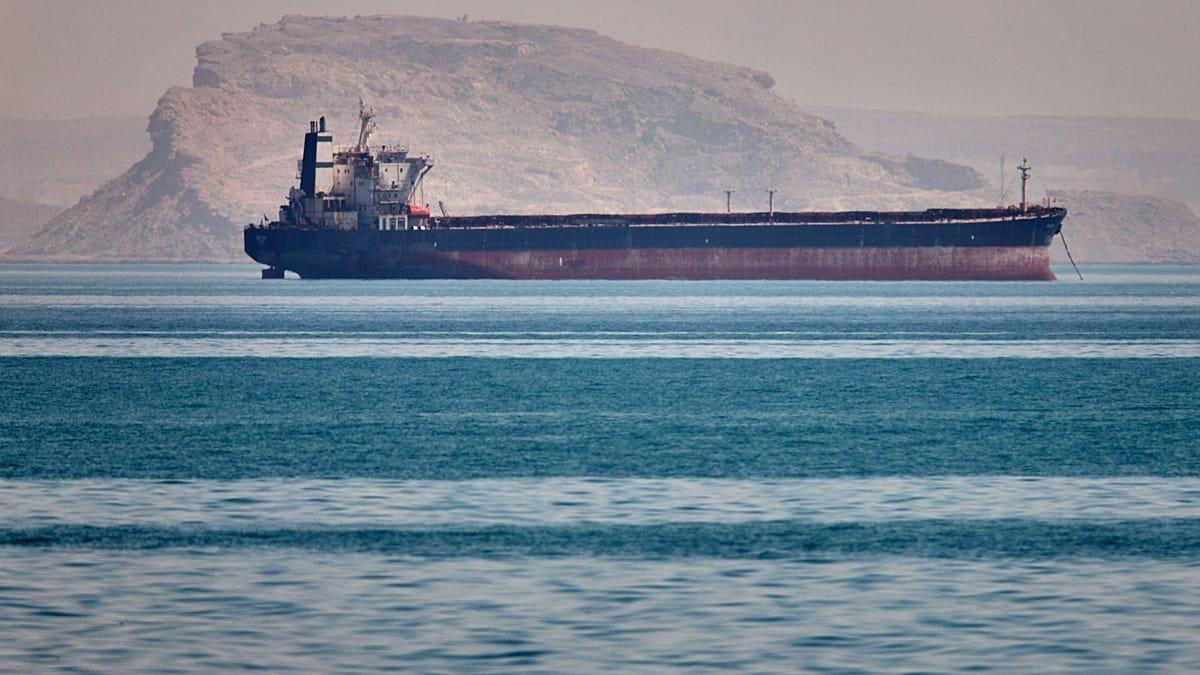
Iran Accuses U.S. of Ceasefire Violation After U.S. Strikes in Hormozgan
Key Takeaways
- U.S. strikes hit missile sites and boats in Hormozgan province.
- Iran calls the strikes a gross violation of the ceasefire.
- Commander of the Revolutionary Guard’s Aerospace Force says prepared to respond.
Ceasefire clash near Hormuz
Iran accused the United States on Tuesday of a “clear violation of the ceasefire” after U.S. strikes in southern Iran that American officials said were defensive and targeted missile launch sites and minelaying boats near the Strait of Hormuz.
Iran’s foreign ministry said the strikes were a ceasefire violation and warned that Washington would bear responsibility for “all consequences,” while U.S. Central Command said it continued to defend forces while using restraint during the ongoing ceasefire.
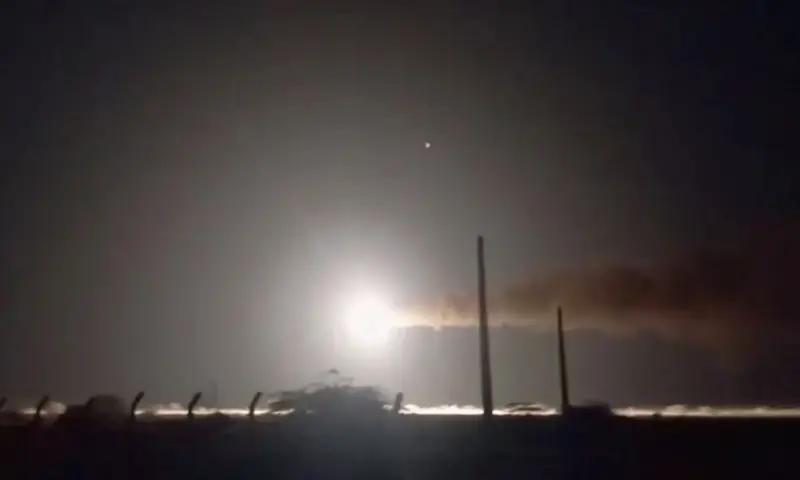
NBC News reported that two U.S. officials said the strikes were in direct response to 24 hours of missile, drone and small boat launches carried out by Iran’s Islamic Revolutionary Guard Corps near the Strait of Hormuz.
The BBC reported that Iran’s foreign ministry said it held the U.S. responsible for the consequences of its “aggressive and unjustified actions” in the Hormozgan region, where a coast along the Strait of Hormuz sits.
The BBC also said Centcom stated it conducted “self-defense strikes in southern Iran today” to protect U.S. troops from threats posed by Iranian forces, with an official cited by the New York Times saying the area was near Bandar Abbas.
Threats, talks, and retaliation
Iran’s Revolutionary Guard Aerospace Force commander Seyed Majid Moosavi said on X that “negotiation with the enemy is pure loss,” while also saying the air force remains “highly vigilant, fully prepared for a decisive, swift response.”
The Al Jazeera report said Iran’s foreign ministry described the U.S. strikes in Hormozgan province as a “gross violation” of the fragile ceasefire in place since early April, and said the commander was awaiting final orders from their commander-in-chief.

NBC News said Tehran’s powerful Revolutionary Guard vowed to “respond decisively to any violation of the ceasefire,” and claimed it shot down an American MQ-9 drone and fired at another U.S. drone and an F-35 fighter jet, forcing them to turn around.
In parallel, NBC News reported that Secretary of State Marco Rubio told reporters in India that a deal could be finalized in “a couple of days,” with negotiators down to “disagreements over a word, a sentence.”
The BBC added that Rubio said the deal was still possible but would “take a few days,” while Iran said on Monday that some progress had been made but that a deal “is not imminent.”
What’s at stake next
Negotiations described across the reports centered on a memorandum of understanding that could halt the war and restart shipping through the Strait of Hormuz, with a framework that would give the two sides 60 days to reach a full peace deal.
“Iran’s foreign ministry says that US strikes in Iran’s southern Hormozgan province represent a “gross violation” of the fragile ceasefire in place since early April”
Al Jazeera said Iran’s top negotiator Mohammad Baqr Qalibaf, its foreign minister and its central bank governor were in Doha on Monday for talks with Qatar’s prime minister, and that Iran was seeking agreement on the release of about $24bn in Iranian funds frozen overseas.
The BBC said the possible deal was a memorandum of understanding that reportedly involves a 60-day ceasefire extension, reopening the Strait of Hormuz, and a plan for further negotiations over Iran’s nuclear programme.
PBS reported that Iran began restoring internet access after one of the longest nationwide shutdowns ever, while also saying the internet outage had cost the country an estimated $30 million to $40 million a day.
The Hill warned that the accusation could trigger a new round of Iranian strikes against U.S. bases and allies in the region, quoting the Iranian Foreign Ministry’s statement that “Iran holds the U.S. regime responsible for all the consequences” of the “gross violation” in the Hormozgan region in the past 48 hours.
More on Iran

Donald Trump Moves Cabinet Meeting From Camp David To White House Amid Iran Talks
11 sources compared
U.S. Strikes Hormozgan, IRGC Threatens Retaliation After Rubio Says Deal Possible
13 sources compared

U.S. Military Launches Self-Defense Strikes In Southern Iran, Targeting Missile Sites And Mine-Laying Boats
15 sources compared

Ayatollah Mojtaba Khamenei Warns Gulf Countries Won’t Shield US Bases After Iran Strikes
13 sources compared