USA25 May, 20262 min read
U.S. Military Launches Self-Defense Strikes In Southern Iran, Targeting Missile Sites And Mine-Laying Boats
U.S. strikes southern Iran targeting missile sites and mine-laying boats near the Strait of Hormuz. CENTCOM says the actions are self-defense to protect troops amid ongoing ceasefire talks in Qatar.

NBC News was read line by line by the Watchdog: 3.9. See the score →
Strikes During Ceasefire Talks
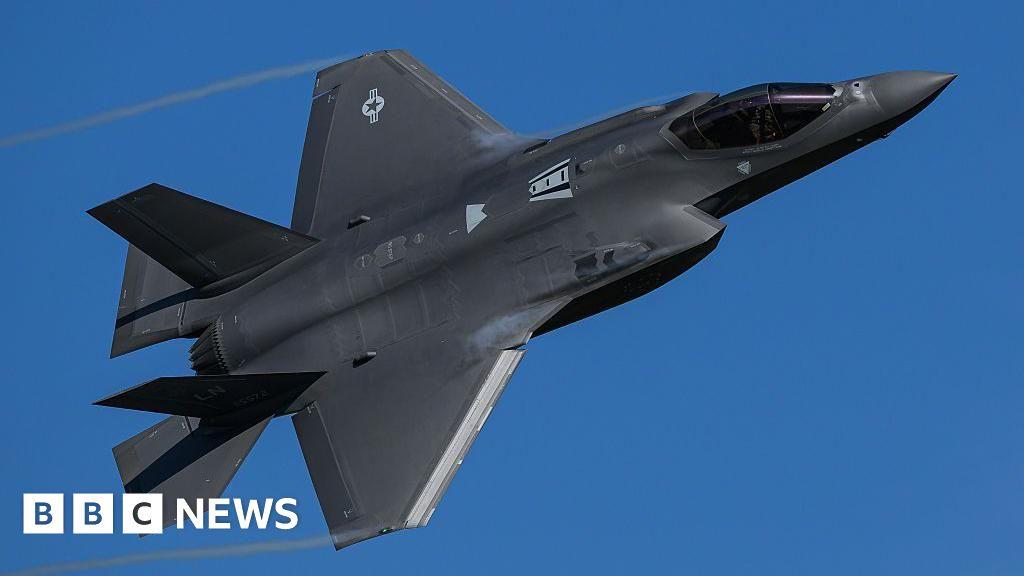
The U.S. military launched “self-defence” strikes in southern Iran targeting missile launch sites and boats attempting to place mines near the Strait of Hormuz while negotiations continued, with U.S. Central Command saying the action was meant “to protect our troops from threats posed by Iranian forces.”
NBC News reported that Iran accused the United States of “a clear violation of the ceasefire” after the U.S. launched what it called defensive strikes that threatened to disrupt intensifying talks to end the war.

The BBC said the strikes were carried out on Monday and targeted an area near Bandar Abbas, a southern port city and home of an Iranian naval base that sits on the Strait of Hormuz.
In parallel with the fighting, Secretary of State Marco Rubio told reporters in India that a deal could be finalized in “a couple of days,” while the BBC reported that Rubio said the straits have to be open “one way or the other.”
Competing Claims and Quotes
Iran’s Islamic Revolutionary Guard Corps said it downed a U.S. drone and fired at a fighter jet and another drone that entered Iranian airspace, while the BBC reported that Iran added it had the “legitimate and definite” right to retaliate against any U.S. ceasefire violations. The BBC quoted CENTCOM spokesperson Capt Tim Hawkins saying, “US Central Command continues to defend our forces while using restraint during the ongoing ceasefire,” framing the strikes as defensive even as the ceasefire remained in place.
Al Jazeera reported that Navy Captain Tim Hawkins told it that “Targets included missile launch sites and Iranian boats attempting to emplace mines,” and that CENTCOM said it was using restraint “during the ongoing ceasefire.” Al Jazeera also reported that Iran’s Foreign Ministry spokesperson Esmaeil Baghaei said, “to say that this means an agreement is on the verge of being signed is not something anyone can claim,” as negotiators traveled to Qatar for talks.
What’s at Stake Next
The U.S. and Iran were negotiating an emerging memorandum of understanding that, according to the BBC, reportedly involves a 60-day ceasefire extension, the reopening of the Strait of Hormuz, and a plan for further negotiations over Iran’s nuclear programme. NBC News reported that a senior Trump administration official said the framework being discussed would give the two sides 60 days to reach a full peace deal, while the BBC said it was unclear what impact the latest strikes would have on any potential peace agreement.
The Guardian reported that the strikes came as Mohammad Bagher Ghalibaf led a delegation of negotiators to Qatar, with Abbas Araghchi and Abdolnaser Hemmati among the group, and it said Hemmati’s presence fueled speculation that talks would focus on the release of frozen Iranian assets. NBC News added that the unfreezing of billions of dollars of Iranian assets held by the Gulf emirate was a central demand of the team, and it said there was no announcement of any change in the temporary ceasefire that went into effect April 8.