
Iran Allows Japanese Ships to Transit the Strait of Hormuz, Tehran Says Open to Others.
Key Takeaways
- Strait of Hormuz remains open to non-enemy ships; Japanese vessels may transit.
- Negotiations with Japan continue on limited, case-by-case access through Hormuz.
- European nations and Japan sign joint statement to safeguard Hormuz shipping.
Iran-Japan Diplomacy
Iran has announced its readiness to allow Japanese vessels to transit through the strategically vital Strait of Hormuz, signaling a potential diplomatic opening amid heightened regional tensions.
“Iran says Japanese ships will be allowed to transit the Strait of Hormuz, in the latest sign that Tehran has started pursuing a selective blockade of the strategic waterway”
Iranian Foreign Minister Abbas Araghchi confirmed in a telephone interview with Kyodo News that Tehran has initiated talks with Tokyo about possibly reopening the strait to Japanese-related vessels.
Araghchi emphasized that 'We have not closed the strait. It is open,' while clarifying that Iran has imposed restrictions only on vessels belonging to countries involved in attacks against Iran.
This announcement comes as Japan, which relies on over 90% of its crude oil imports from the Middle East—most of which transits through the strait—faces mounting pressure from energy disruptions caused by the ongoing US-Israeli war on Iran that began on February 28.
Japan's Energy Crisis
Japan's energy security has become increasingly precarious as the Iranian conflict disrupts vital shipping lanes, forcing Tokyo to activate its strategic petroleum reserves.
On March 16, Japan began pumping 80 million barrels from its strategic reserves, which total more than 400 million barrels, to ease price increases caused by the American-Israeli war on Iran.

This release will continue through April 15 as Japan attempts to stabilize domestic fuel prices.
Japanese officials are navigating complex constitutional limitations that restrict military involvement overseas, though 2015 security legislation allows Japan to use force overseas if an attack threatens Japan's survival and no other means are available.
The government faces pressure from both energy market realities and diplomatic relations, particularly with the United States, which has urged Japan to take a more active role in securing key shipping routes while Tokyo seeks to avoid provoking Washington.
Selective Blockade Response
Iran maintains that the Strait of Hormuz remains open to all countries except the United States and its allies, though maritime data reveals a significant reduction in vessel traffic.
“South Korea is speaking to several countries including Iran to ensure that the key shipping route that passes through the Strait of Hormuz is normalised even as the West Asia Conflict is poised to enter its fourth week”
According to Lloyd's List Intelligence cited by multiple sources, approximately 90 ships transited the strait between March 1 and 15—far below normal levels but indicating that limited traffic continues.
Iran's selective approach has allowed certain vessels from allied nations including India, Pakistan, China, and Turkey to pass through the strait under specific conditions.
This strategy has prompted a coordinated international response, with six major economies—the United Kingdom, France, Germany, Italy, the Netherlands, and Japan—issuing a joint statement condemning Iran's attacks on commercial vessels and warning that interference with shipping constitutes 'a threat to international peace and security.'
The coalition emphasized their readiness to contribute to appropriate efforts to ensure safe passage through the strategic waterway.
Strategic Positioning
The developments in the Strait of Hormuz reflect broader strategic positioning by Iran as it seeks to leverage energy infrastructure for diplomatic advantage while maintaining economic relationships with key trading partners.
Iran's Foreign Minister Araghchi has emphasized that his country is 'open to any initiative' and willing to consider proposals for ending the conflict, though he rejected calls for temporary truces, insisting instead on 'a complete, comprehensive and lasting end to the war.'

This approach demonstrates Iran's attempt to balance regional pressures with its economic interests, particularly with Asian energy buyers who account for a significant portion of Iran's export market.
The situation has created complex diplomatic calculations for Japan, which must balance its alliance with the United States against its critical energy dependencies and the need to maintain stable trade relationships with Middle Eastern suppliers.
Global Energy Security
The ongoing negotiations between Iran and Japan highlight the increasingly complex nature of energy security in the face of geopolitical conflicts that threaten global supply chains.
“Iran Japan Shipping Access Through Hormuz Strait Crisis By Muflih Hidayat on March 21, 2026”
With approximately 20 million barrels of oil passing through the Strait of Hormuz daily, any prolonged disruption would have severe economic consequences, including soaring shipping and insurance costs and potential global economic shocks.
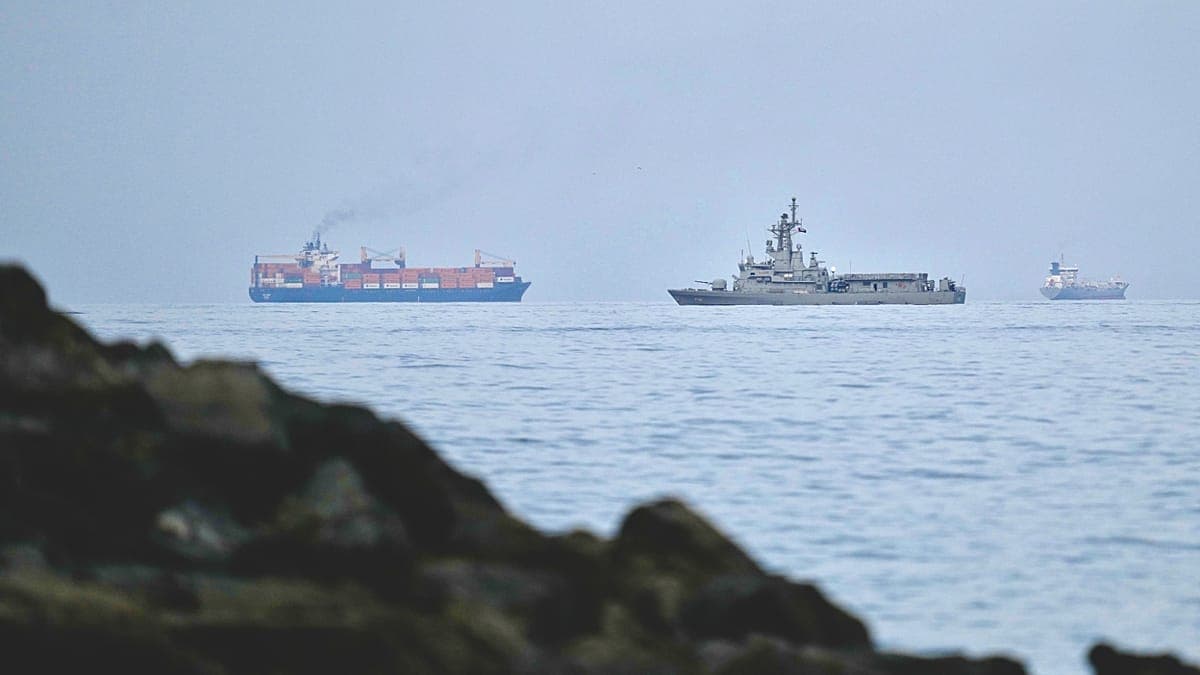
Iran's Foreign Minister Araghchi has indicated that the strait could remain accessible to nations maintaining diplomatic coordination with Tehran, suggesting a pragmatic approach to maintaining trade relationships while asserting regional influence.
The international community continues to monitor the situation closely, with concerns growing about the potential for further escalation in a region already destabilized by the broader conflict between Iran and the US-Israel alliance.
As diplomatic efforts continue, the fate of the world's energy supplies remains closely tied to the resolution of tensions in this strategically critical waterway.
More on Iran
Israel and the United States Attack Natanz Nuclear Site
35 sources compared

U.S. Deploys 2,500 Marines, 3 Warships to the Middle East as Iran Escalates
13 sources compared

Trump Administration Lifts Sanctions on Iranian Oil Stranded at Sea
16 sources compared

Iran Threatens Global Retaliation by Targeting Tourism Sites Worldwide
50 sources compared