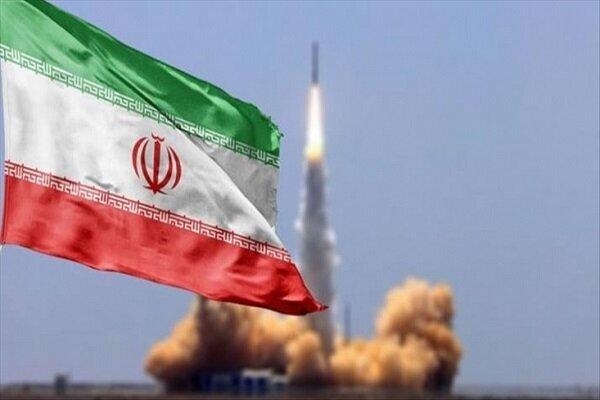
Iran And Israel Pause Strikes After Trading Fire, Warn Retaliation If Fighting Resumes
Key Takeaways
- Israel and Iran paused strikes after trading fire, first since April ceasefire.
- Both sides warned retaliation if ceasefire breached again.
- US mediation ongoing; Trump urged immediate ceasefire and halt to operations.
Ceasefire, then warnings
Israel and Iran appeared to pause strikes after trading fire for the first time since the U.S. agreed to a ceasefire with Tehran two months ago, with both sides warning they were ready to launch retaliatory attacks if provoked.
“Trump says he warned Netanyahu if he went back to war he could be fighting alone: Axios President Donald Trump told Axios that after Iran and Israel traded strikes Sunday night for the first time since the U”
In a televised address, Iran’s First Vice President Mohammad Reza Aref wrote that Israel "was forced to beg once again for Iran to accept a ceasefire" and added, "We do not seek war," while warning that "But in defending our soil and our values, we will not hesitate for a moment."

Israeli Prime Minister Benjamin Netanyahu said Israel would hold off on attacking Iran "for now" but warned it would respond "forcefully" if strikes resume, and CNN reported that Tehran also suspended operations against Israel while warning it would resume if Israeli strikes in southern Lebanon continue.
President Donald Trump told Axios that he warned Benjamin Netanyahu that he would isolate himself if he continued to strike Iran, saying, "I said, 'Bibi, you better be careful, or you will be on your own very soon,'" after Israel gave the United States "very late notice" about strikes on Iran on Sunday.
The BBC said Iran and Israel both promised to retaliate if fighting begins again, with Iran warning of a "severe" response if the Israel Defence Forces continues striking southern Lebanon.
Negotiations and mistrust
CNN reported that a top Iranian official told the network Tehran has “no problem” pushing forward with peace talks, so long as Iran is confident the US side is being honest and sincere.
Ebrahim Azizi, who heads the Iranian parliament’s national security and foreign policy committee, told CNN Senior International Correspondent Frederik Pleitgen, "If we could reach confidence that they are people of negotiation" then "the Islamic Republic" would have "no problem with negotiating."

Azizi said Tehran accepted negotiation as "a continuation of the battlefield" and cautioned that any potential agreement hinges on the US changing its behavior amid deep mistrust, adding, "We do not have any trust at all."
The BBC also reported that in a phone call with the BBC, President Trump said the US and Iran are "very close to signing a very powerful deal" and that Netanyahu signaled the fire was contained after Iran earlier announced it would stop striking Israel.
AP reported that after the U.S. and Israel began striking Iran on Feb. 28, officials were unable to turn the April ceasefire into a deal to permanently end the conflict, and that Iran’s ambassador to the United Nations, Amir Saeid Iravani, said he was hopeful the two sides would reach "a conclusion" "very soon."
What’s at stake next
The BBC said the fragile truce is tied to a new equation that Iran insists includes Lebanon, and it quoted Mohammad Bagher Ghalibaf posting on social media, "We have disrupted the equation of a ceasefire on paper and its repeated violations in the field."
“After weeks of warning that continuing Israeli attacks on Lebanon would jeopardise diplomacy, Iran launched its first direct strikes on Israel in two months overnight on Sunday, casting new doubts about the likelihood of a US-Iran peace deal”
AP warned that the renewed hostilities raised concerns that the Middle East could plunge back into a full-scale war, and it said the war has shaken the global economy, driven up energy prices around the world and made many basics, including food, more expensive.
CBS News reported that Iran and Israel said they had halted military operations after Trump told both to "immediately stop 'shooting'" and said both sides were seeking an "immediate ceasefire" after the weekend flare-up that began with Israeli airstrikes on Beirut’s capital Beirut.
The Washington Post said Israel and Iran signaled Monday that the attacks had concluded for now, quoting Netanyahu that "Currently, the fire on this front is contained" and describing the escalation as beginning after Israel carried out an airstrike Sunday in southern Beirut.
Meanwhile, the CNN report said Iran’s airspace returned to "normal conditions" and flight operations were expected to resume, while Israel said it would lift restrictions on schools and workplaces on Tuesday at 6 a.m. local time, underscoring how quickly daily life could shift again if the ceasefire breaks.
More on Iran

United Arab Emirates Denies Releasing $10 Billion Frozen Iranian Assets After Reuters Report
15 sources compared
Trump Says U.S. And Iran Near Agreement To Reopen Strait Of Hormuz And Extend Ceasefire
10 sources compared
White House Confidence Rises to 85% for US-Iran Agreement, Trump Says Not 100%
25 sources compared

Iran Says It Agreed With Washington on Guiding Principles After Geneva Talks
18 sources compared