Iran And Oman Hold Inaugural Joint Committee Talks In Muscat On Strait Of Hormuz Sovereignty
Key Takeaways
- Iran and Oman held inaugural joint committee session on the Strait of Hormuz in Muscat.
- Talks centered on maritime management and sovereign rights over the Strait of Hormuz.
- Gharibabadi announced the meeting and met Abdulaziz Al-Hinai in Muscat.
First committee in Muscat
Iran and Oman held the inaugural meeting of their joint committee on the Strait of Hormuz in Muscat, with discussions focused on Gulf coastal states' sovereign rights and future management strategies.
Iranian Deputy Foreign Minister Kazem Gharibabadi said the assembly allowed both nations to exchange critical insights on the sovereign rights of Gulf coastal states and to examine the future governance structure of the strait.
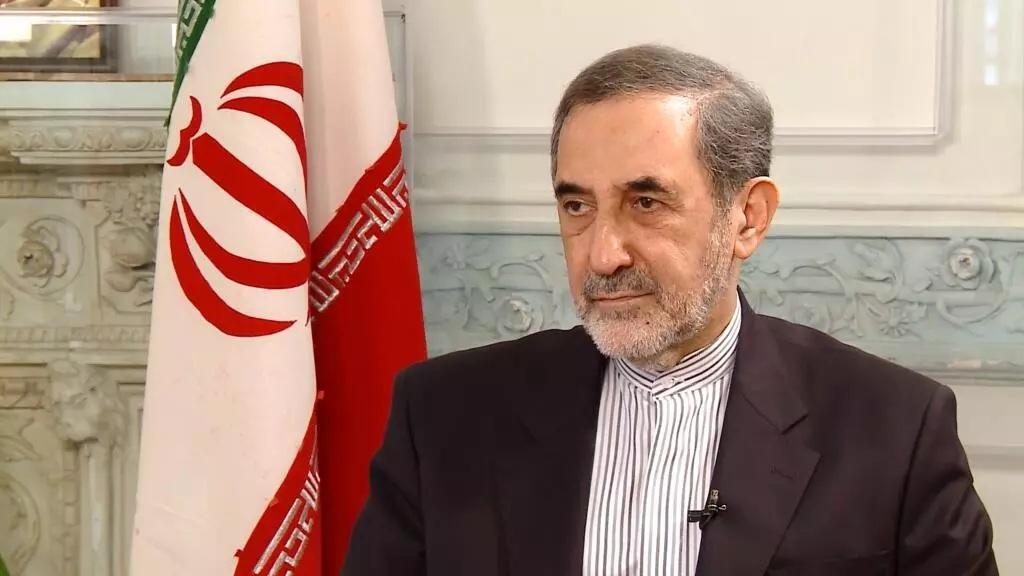
Mehr News Agency said Gharibabadi traveled to Muscat for discussions with Abdulaziz Al-Hinai, the sultanate's ambassador-at-large at the Foreign Ministry, and that the meeting was the first formal gathering of the bilateral body.
Mehr News Agency added that the two sides exchanged views on future management within the framework of Article 5 of the Islamabad Memorandum of Understanding and the sovereign rights of coastal states.
Tehran Times said the inaugural session centered on the strategic waterway’s long-term administration and that Oman was represented by Abdulaziz al-Hinai, the sultanate’s minister of state for foreign affairs.
Sovereignty dispute and controls
As Iran and Oman discussed future governance, CNN Arabic reported that Iran’s newly established regulatory authority for the Strait of Hormuz published a map delineating the area under supervision of its armed forces, including waters in the territorial waters of the United Arab Emirates and the Sultanate of Oman.
CNN Arabic quoted Anwar Gargash, the UAE president's adviser, saying that "attempts to control the Strait of Hormuz or infringe UAE maritime sovereignty are nothing but delusions."
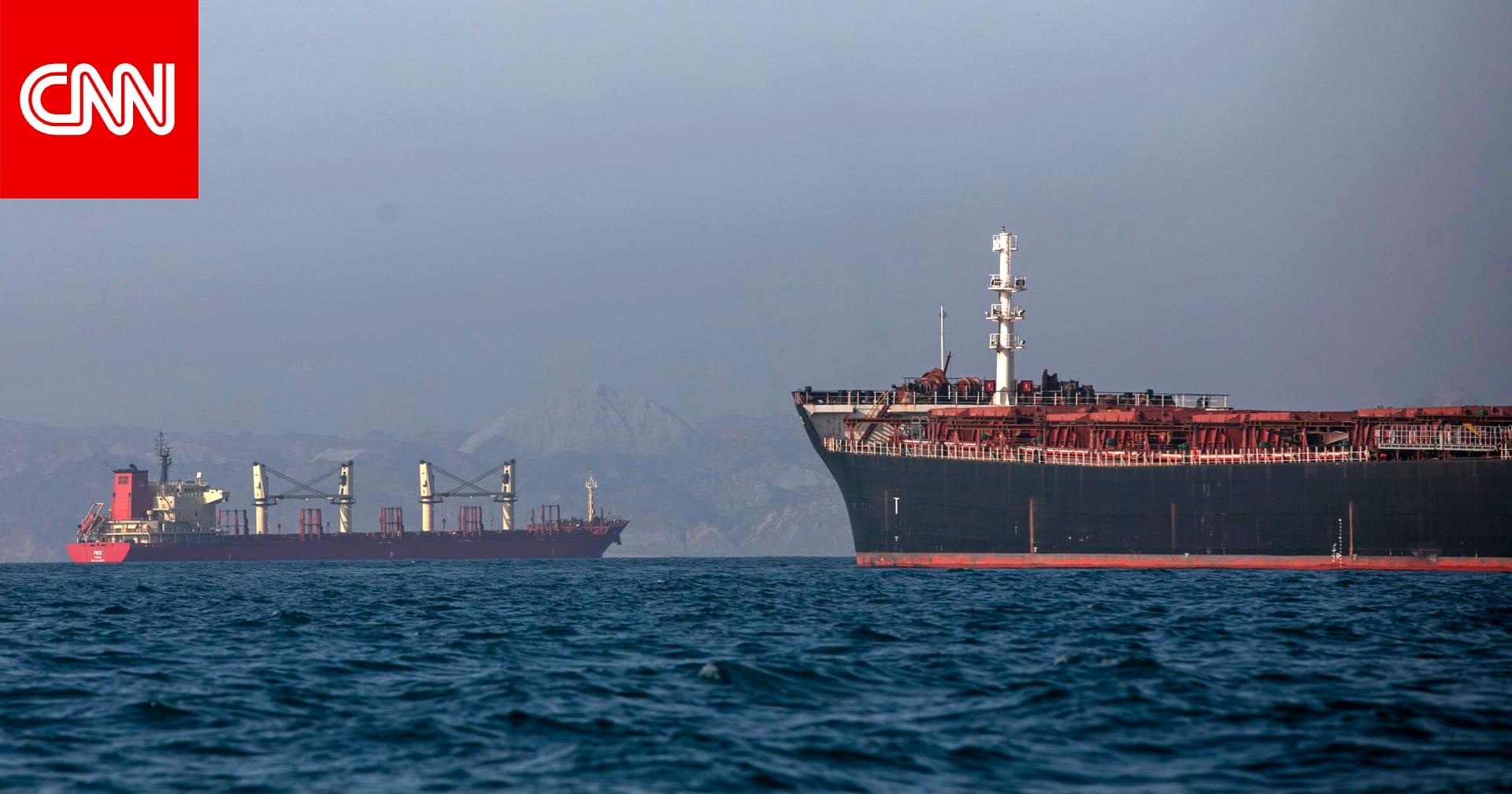
CNN Arabic said the Persian Gulf Strait Authority (PGSA) defined its regulatory jurisdiction as a line connecting the Koh Mubarak area in Iran to the south of Fujairah in the UAE at the strait's eastern entrance, up to a line connecting the western tip of Qeshm Island in Iran with the Emirate of Umm Al-Quwain in the UAE at the western entrance.
PressTV reported that Iran’s Parliament speaker Mohammad Baqer Qalibaf said Iran would not retreat from its sovereign rights over the vital waterway and described the Strait of Hormuz as "our greatest instrument of power."
PressTV also said Qalibaf argued that any violations in the Strait of Hormuz are violations of the ceasefire and that Iran will not allow any act of violation to go unanswered.
Fees, blockade, and next steps
Mehr News Agency said the committee talks took place as Iran and Oman began talks on the future governance of the waterway after US President Donald Trump announced the continuation of an illegal naval blockade of Iranian vessels and ports in violation of the terms of a ceasefire announced on April 7.
“(CNN) — Iran's newly established regulatory authority for the Strait of Hormuz has published a new map delineating the area under the supervision of its armed forces, including areas in the territorial waters of the United Arab Emirates and the Sultanate of Oman”
PressTV said Qalibaf described a recently negotiated memorandum of understanding between Iran and the United States as providing only a temporary exemption from fees for maritime services in the strait and not altering Iran's position on sovereignty.
PressTV also said Qalibaf stated that Clause Five of the memorandum provides for Iran and Oman to jointly determine the future administration and maritime services of the strait in accordance with international law and the sovereign rights of the littoral states.
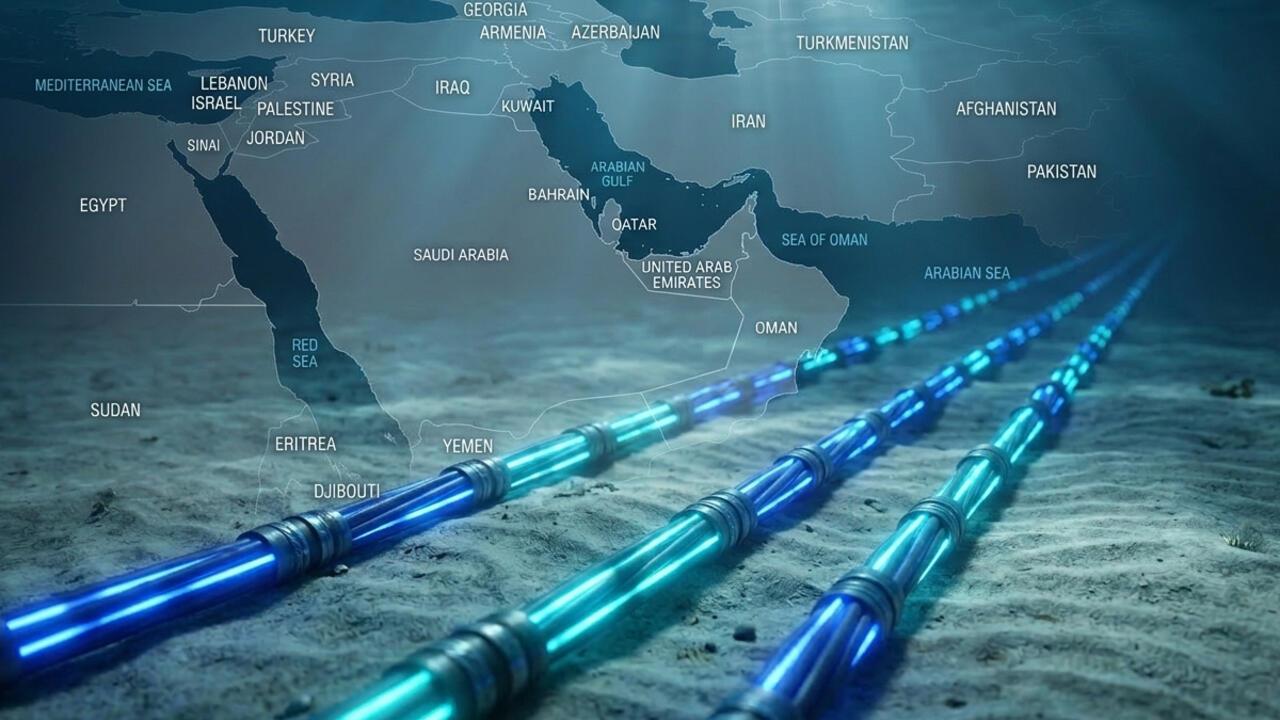
مونت كارلو الدولية reported that Iranian military spokesman Ibrahim Dhu al-Faqari confirmed on his official X account that "We will impose charges on Internet cables."
The same مونت كارلو الدولية piece said Mustafa Taheri, a member of the Industry Committee in the Iranian Parliament, estimated potential revenues from crossing fees at about $15 billion, while it described fears of a possible 'global digital paralysis' tied to submarine internet cables beneath the strait.
More on Iran
Iran and US Set Doha Talks With Qatar Over Frozen Assets and Lebanon Ceasefire
13 sources compared
Syria and Türkiye Sign Disaster Management Cooperation Memorandum in Damascus
14 sources compared
Steve Witkoff and Jared Kushner Arrive in Doha for US-Iran Talks With No Direct Meetings
12 sources compared

South Korea’s National Assembly Approves Han Seong-sook as Prime Minister After Democratic Party Push
13 sources compared