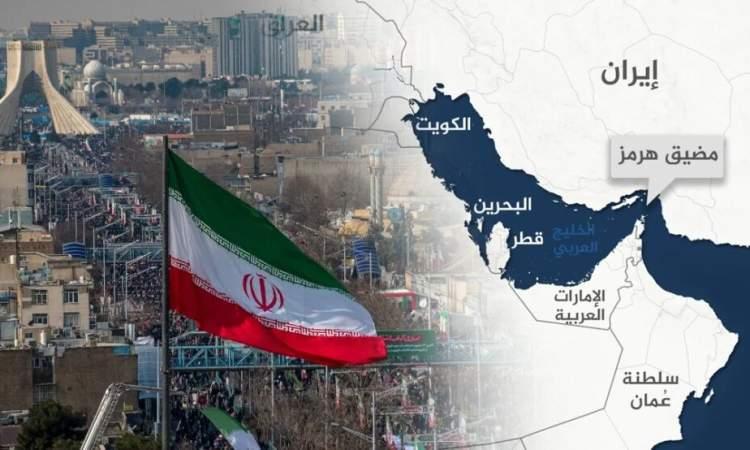
Iran And Oman Hold Legal Talks In Muscat On Strait Of Hormuz Safe Passage
Key Takeaways
- Iranian and Omani delegations met in Muscat for a legal-technical Strait of Hormuz discussion.
- Discussions cover safe passage for ships and the sovereign rights of both states.
- The talks form part of ongoing bilateral consultations on regional developments and relations.
Muscat talks on Hormuz
Iran and Oman held a legal and technical meeting in Muscat, Oman on Tuesday to discuss the latest developments related to the Strait of Hormuz and arrangements for the safe passage of ships.
“Iranian and Omani officials held a legal-technical meeting in Muscat to discuss arrangements for the secure passage of vessels and reaffirm the sovereign rights of both countries over the strategic Strait of Hormuz”
The Iranian delegation was headed by Abbas Baqerpour, director general for International Legal Affairs at Iran’s Foreign Ministry, and the talks emphasized sovereign rights and jurisdiction over the strait as part of the territorial waters of Iran and Oman.
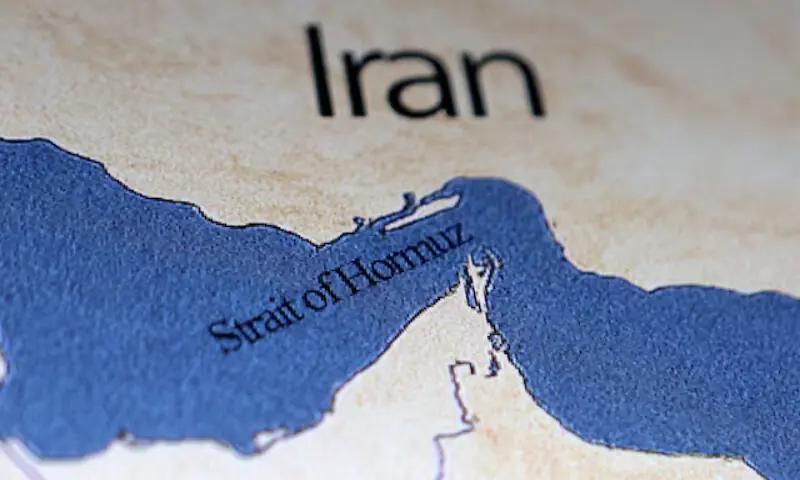
The meeting also included separate talks with Omani Foreign Minister Badr bin Hamad Al Busaidi, and International Maritime Organization (IMO) Secretary General Arsenio Dominguez met the Iranian delegation in Oman to discuss related technical issues.
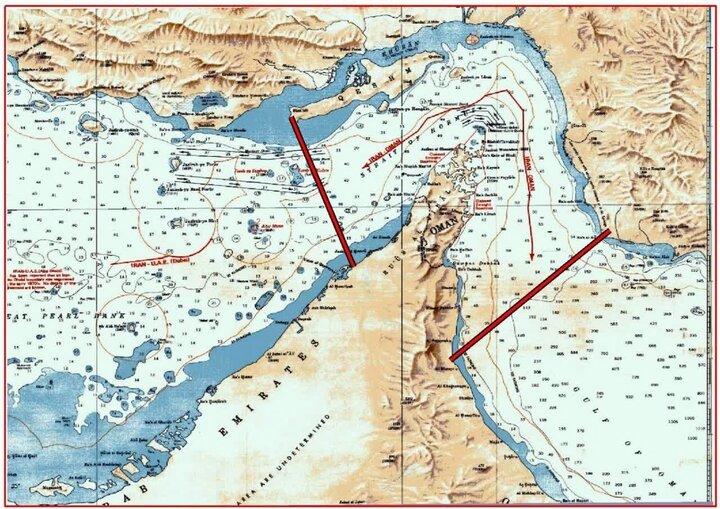
At the narrowest point, the Strait of Hormuz measures 21 nautical miles, and under the UN Convention on the Law of the Sea, which Iran has signed but not ratified, coastal nations can claim territorial waters extending 12 nautical miles from their shores.
Aaj English TV reported that the discussions were part of ongoing consultations at multiple levels between Tehran and Muscat on bilateral relations and regional developments.
Iran redraws operational zone
Iran’s IRGC Navy political deputy Rear Admiral Mohammad Akbarzadeh said on Tuesday that Iran has redefined the operational boundaries of the Strait of Hormuz.
He said, "In the past, the Strait of Hormuz was defined as a limited area around islands such as Hormuz and Hengam. Today, it has been expanded," and he explained that Iran now considers the strait to extend from the coasts of Jask and Sirik to beyond the Greater Tunb Island.
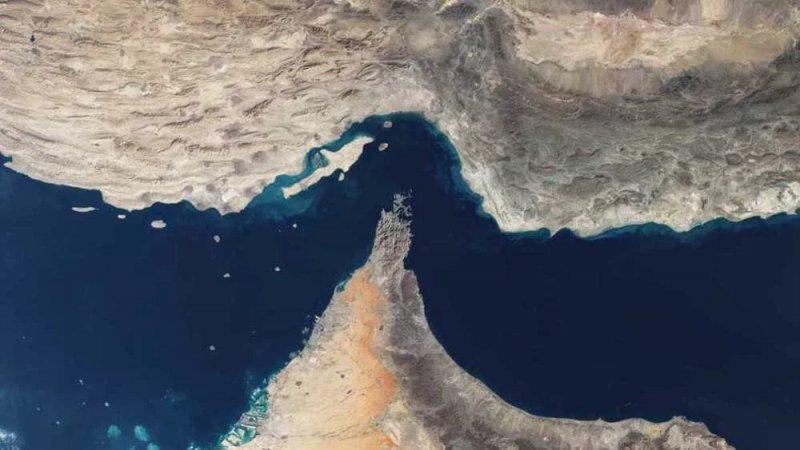
Aaj English TV described the expanded strategic zone as spanning 200 to 300 miles, and it said Iran’s intent is to administer, regulate, and control all maritime traffic within the expanded territorial waters under the framework of international law.
The same report said the overlap between territorial waters claims has left the strait without a clear high-seas corridor for unimpeded international passage, and it linked Iran’s assertive posture to recent regional tensions including US and Israeli military strikes.
Pars Today also reported that both sides emphasized their sovereign rights and jurisdiction over the strait as part of the territorial waters of Iran and Oman during the Muscat meeting.
Negotiations hinge on sovereignty
Iran told a knowledgeable source, as quoted by Fars News Agency, that it will not enter a second round of negotiations with the United States without implementing five confidence-building conditions.
“Iranian and Omani delegations have held a legal-technical meeting to discuss the Strait of Hormuz, arrangements for the safe passage of ships, and the sovereign rights of both countries over the strategic waterway”
The source said Iran’s five conditions include "recognition of Iran's sovereignty over the Strait of Hormuz," alongside the end of the war on all fronts, the lifting of sanctions on Iran, the release of Iran's frozen funds, and compensation for damages caused by the war.
The same report said the Islamic Republic informed the Pakistani mediator that the continuation of the naval blockade in the Arabian Sea and the Gulf of Oman after the ceasefire was declared reinforced the hypothesis of the unreliability of negotiating with America.
In a separate legal framing, the magazine المجلة wrote that Iran announced on March 24 it would impose fees of up to two million dollars on certain ships in exchange for passage.
It argued that the Strait of Hormuz falls under the Law of the Sea Convention regime of 'transit passage,' which it said guarantees ships freedom of navigation without prior authorization or mandatory fees, and it noted that Iran has signed but not ratified the United Nations Convention on the Law of the Sea.
More on Iran
Trump Says Iran Is Under Control as Hegseth Says U.S. Controls Strait of Hormuz
12 sources compared
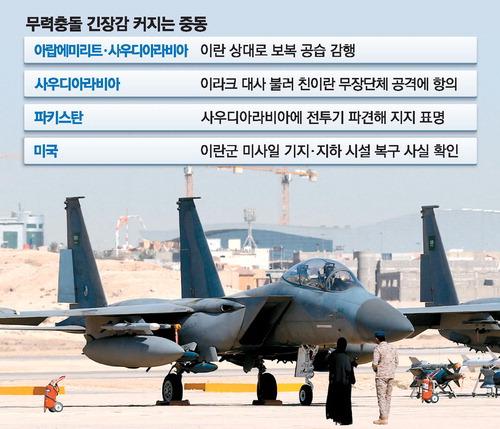
Saudi Arabia Carries Out Covert Airstrikes Against Iran, Then Threatens Further Aggression
22 sources compared

Hezbollah Launches Fiber-Optic Drone Swarm Attacks On North Israel, IDF Intercepts Some
13 sources compared
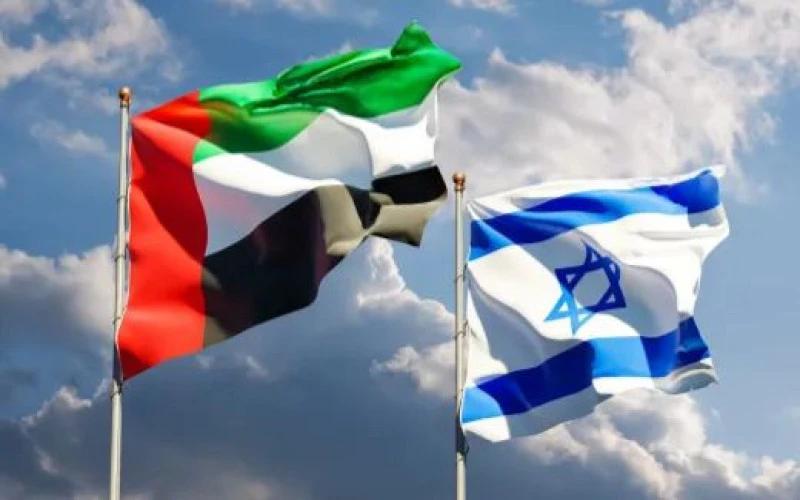
Mike Huckabee Says Israel Sent Iron Dome Batteries And Personnel To United Arab Emirates
15 sources compared