
Iran and U.S. Enter Awkward Limbo After Trump Cancels Iran Peace Talks
Key Takeaways
- Trump canceled the Witkoff–Kushner Pakistan trip for Iran peace talks.
- Abbas Araghchi left Pakistan, pursued talks in Moscow amid stalled U.S. diplomacy.
- Hopes for breakthrough fade; diplomacy stalled, leaving no-war-no-peace limbo and rising oil prices.
No War, No Peace
Iran and the United States have slid into what the New York Times described as an “awkward limbo of neither peace, nor war,” after “plans for U.S.-Iran peace talks derailed.”
The New York Times frames the standoff as a contest of endurance, with “Iranian officials seem confident they can withstand economic pain caused by war longer than President Trump,” while both sides remain under “the persistent threat of U.S. or Israeli attacks.”
In that same reporting, Sasan Karimi, a “vice president in Iran’s previous government and political scientist at the University of Tehran,” compared the current moment to “what we had at the end of the 12-day war, which is ending the war, but without any permanency.”
The New York Times also quotes an article redistributed by Iranian outlets that calls the situation “a strategic limbo” and warns, “Both sides have stepped back from the costs of full-scale war but have not moved beyond the logic of force and pressure.”
The CNN account adds that diplomacy remains active even as direct talks stall, with Iran’s Foreign Minister Abbas Araghchi pressing on with a regional tour after Trump canceled envoys’ travel.
“If they want to talk, they can come to us, or they can call us,” Trump said Sunday, reiterating that the war would “come to an end very soon.”
Diplomacy Meets Blockades
The diplomatic stalemate is playing out against a backdrop of shipping restrictions and a fragile ceasefire that both sides treat as leverage.
CNN reports that “the two-week-old US blockade has prevented 38 ships from entering or leaving Iranian ports,” citing U.S. Central Command, and adds that “American forces have directed 38 ships to turn around, or return to port.”
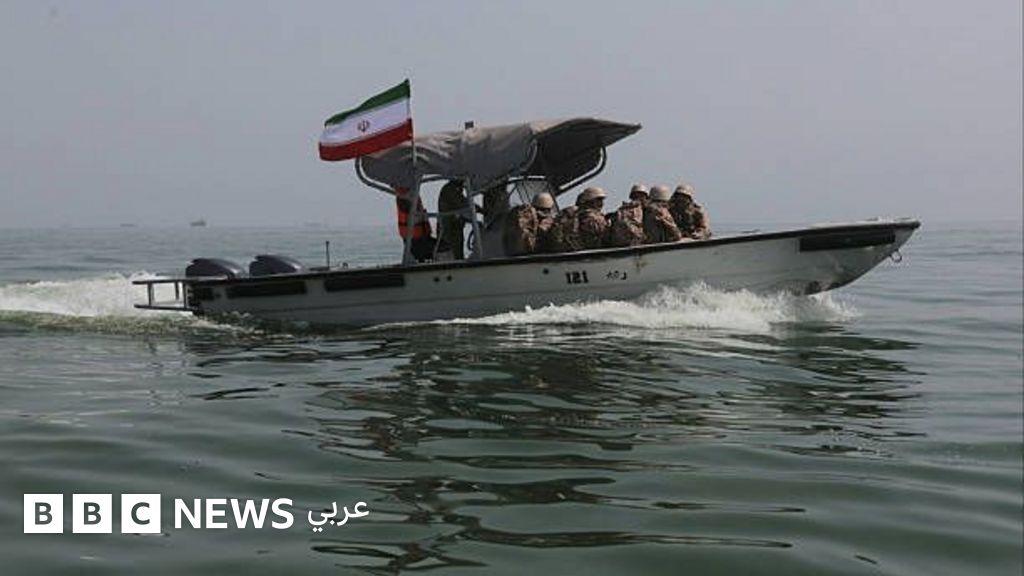
The same CNN live updates describe how the ceasefire in Lebanon is under pressure as Israel and Hezbollah increase attacks, while the Iran track remains stalled even as Araghchi travels.
In parallel, CBS News ties the stalled talks to market pressure, noting that oil prices rose as traders absorbed “the news of the stalled ceasefire talks,” and it gives specific benchmarks: “West Texas Intermediate… was selling for $96.50 a barrel Sunday, up 2% since the market closed on Friday,” and “Brent crude… was trading at $107.75 per barrel Sunday.”
CBS also situates the diplomacy in person-to-person logistics, saying U.S. envoys “Steve Witkoff and Jared Kushner had been expected to head to Islamabad Saturday for peace talks,” but Trump canceled the trip.
NBC News adds that while a ceasefire has paused full-scale fighting, “no agreement has been reached on terms to end a war that has killed thousands,” and it says Tehran has “largely closed the Strait of Hormuz” while Washington has imposed “a blockade of Iran’s ports.”
NBC further quotes Iranian President Masoud Pezeshkian telling Pakistani Prime Minister Shehbaz Sharif that Tehran would not enter “imposed negotiations” under threats or blockade, and that “the United States should first remove obstacles, including its maritime blockade.”
Araghchi’s Tour, Trump’s Call
As the U.S. cancels in-person diplomacy, Iran’s foreign minister continues traveling to mediators and major partners, while Trump insists talks can proceed by phone.
CNN says Araghchi is “headed to Russia and is expected to meet with President Vladimir Putin on Monday,” after visiting “key mediators in Pakistan and Oman this weekend,” and it notes that Araghchi questioned whether Washington is “truly serious about diplomacy.”
CBS News similarly reports that Araghchi “has departed for Moscow, where he will meet with Russian leaders,” after a “nearly 5-hour stopover in Islamabad, Pakistan,” and it specifies that in Pakistan he met “Pakistan's army chief, Asim Munir.”
CBS also details phone diplomacy, saying Araghchi “spoke to his French counterpart and the Qatari prime minister,” including a call with French Foreign Minister Jean Noel-Barrot about “the ceasefire agreement between the U.S. and Iran.”
In that same CBS account, Qatari Prime Minister and Foreign Minister Sheikh Mohammed bin Abdulrahman bin Jassim Al-Thani pressed for continued mediation and “the reopening of the Strait of Hormuz,” and the Qatari ministry said he “stressed the need to open sea lanes, ensure freedom of navigation, and not use them as a bargaining chip or pressure tactic.”
On the U.S. side, CNN quotes Trump saying talks will continue by phone after Iran declined to meet directly with American negotiators, with Trump telling Fox News, “we're not sending people to travel 18 hours to meet.”
NPR adds that Trump canceled the planned trip by his top negotiators to Pakistan, and it quotes Trump’s Truth Social line: “We have all the cards. We're not going to spend 15 hours in airplanes all the time going back and forth to be given a document that was not good enough.”
How Outlets Frame the Same Break
Different outlets emphasize different angles of the same diplomatic rupture: the cancellation of U.S. envoys’ travel and the resulting uncertainty over direct talks.
The BBC frames the episode as a direct reversal of plans, stating that “US President Donald Trump has cancelled a planned trip by two officials - envoys Steve Witkoff and Jared Kushner - to Pakistan for talks on the Iran war,” and it recaps that Araghchi left Pakistan after what he described as “very fruitful” talks while saying he was “yet to see if the US is truly serious about diplomacy.”

NPR similarly centers the cancellation and quotes Trump’s rationale, saying he canceled the trip because “there was too much time wasted on traveling for in person talks,” and it repeats Trump’s line that “we'll deal by telephone and they can call us any time they want.”
CNN, by contrast, places the cancellation inside a broader live diplomacy narrative, describing Araghchi’s movement from Pakistan to Oman and then to Russia, while also reporting that Trump said talks will continue by phone and that the war could “come to an end very soon.”
CBS News provides a market-and-diplomacy blend, pairing the cancellation with oil price movements and giving the specific WTI and Brent figures as traders absorbed “the news of the stalled ceasefire talks.”
The Washington Post’s headline and lead focus on the political and economic stakes, saying “Trump calls off Witkoff, Kushner trip to Pakistan for Iran peace talks,” and it links the decision to “risks of severe global economic consequences.”
Dailyhunt reproduces the New York Times framing of “awkward limbo of ‘no war, no peace’” and adds that Trump canceled the envoy trip because “He said the Iranians would waste the negotiators' time,” while also asserting Iran’s conditions for direct negotiations.
What Comes Next
The next phase of the Iran standoff, as described across the reporting, hinges on whether the blockade and the Strait of Hormuz restrictions are treated as negotiable terms and whether mediators can restart talks without direct U.S.-Iran meetings.
“What to know about the Iran war today: - Iranian Foreign Minister Abbas Araghchi returned to Islamabad on Sunday, where he participated in talks focused on ending the war with the U”
CNN says Trump and British Prime Minister Keir Starmer discussed “the ‘urgent need’ to get shipping moving again through Hormuz,” and it reports that Starmer warned of “major global economic and cost-of-living impacts.”

CNN also reports that Iran’s Deputy Parliament Speaker Ali Nikzad warned the Strait of Hormuz will “under no circumstances” return to its previous state, citing an order from Supreme Leader Mojtaba Khamenei, and it adds that Nikzad said the war showed that choking Hormuz and Bab al-Mandab could affect “25% of the world’s economy.”
NBC News underscores the condition-setting by quoting Pezeshkian that Tehran would not enter “imposed negotiations” and that the U.S. should remove its maritime blockade first, while it also notes that Araghchi described his Pakistan visit as “very fruitful.”
In the background of these negotiations, CBS News quotes Chevron CEO Mike Wirth saying the global energy system “has lost an incredible amount of flexibility” since the start of the Iran war, and it ties the market to the continued inability of tankers to transit Hormuz.
The New York Times adds that both sides are betting they can “outlast the other” in a standoff with “drastic stakes for the global economy,” even as analysts warn of “risks in a stalemate without a deal.”
Meanwhile, CNN reports that the U.S. blockade has prevented 38 ships from entering or leaving Iranian ports, and it notes that vessel traffic remains “severely reduced compared to pre-war levels,” reinforcing the pressure on any future agreement.
More on Iran

Trump Cancels Witkoff and Kushner Trip as Iran-U.S. Peace Talks Stall
12 sources compared

Abbas Araghchi Leaves Islamabad for Moscow to Meet Vladimir Putin After Pakistan Talks
23 sources compared
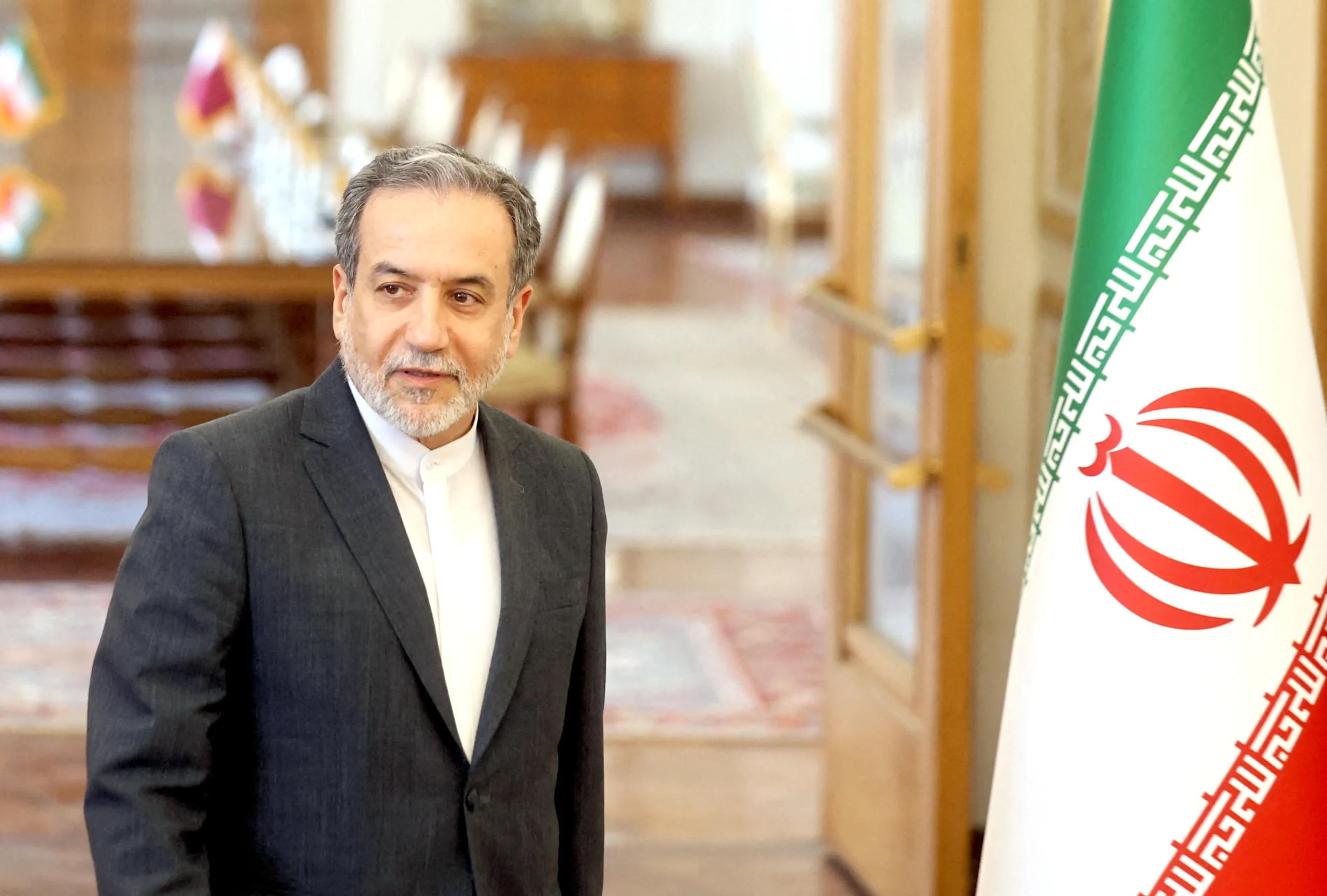
Iran’s Foreign Minister Abbas Araghchi Heads to Moscow to Meet Vladimir Putin
12 sources compared
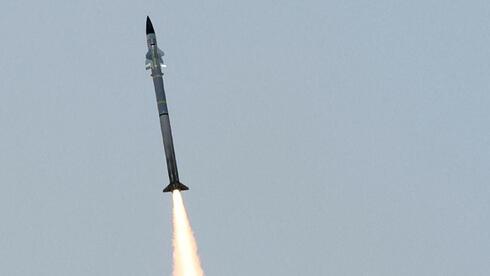
Israel Sends Iron Dome Battery and Troops to UAE During Iran War, Reports Say
13 sources compared