Israel Sends Iron Dome Battery and Troops to UAE During Iran War, Reports Say
Key Takeaways
- Israel deployed Iron Dome battery and troops to UAE early in the Iran war.
- First time Iron Dome was deployed outside Israel and the United States.
- Deployment followed a direct call between Netanyahu and UAE President Mohammed bin Zayed.
Iron Dome to UAE
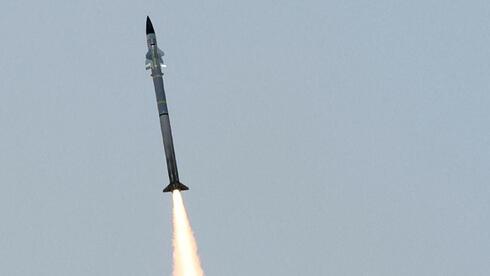
Multiple outlets report that Israel sent an Iron Dome air defense system to the United Arab Emirates early in the war with Iran, along with troops to operate it.
“Skip to main content 12 hours ago - World Scoop: Israel sent "Iron Dome" system and troops to UAE during Iran war Barak Ravid email (opens in new window) sms (opens in new window) facebook (opens in new window) twitter (opens in new window) linkedin (opens in new window) bluesky (opens in new window) Add Axios as your preferred source to see more of our stories on Google”
Haaretz says the deployment happened “early in the war with Iran” and that Israel sent “an Iron Dome air defense system to the United Arab Emirates” along with “dozens of troops to operate it.”
Newsweek likewise reports that “Israel reportedly sent the United Arab Emirates (UAE) an Iron Dome air defense system, along with troops to operate it, during the early phase of the Iran war,” citing Axios and “Israeli and U.S. officials.”
Middle East Eye adds that “two Israeli officials and one US official told Axios” and that “The deployment had not previously been disclosed.”
The Times of Israel similarly states that “Israel reportedly deployed an Iron Dome battery to the United Arab Emirates early in the war with Iran, and sent several dozen troops to operate it,” citing Axios and “Israeli and American officials.”
Several reports tie the decision to a call between leaders, with Newsweek saying Netanyahu ordered the IDF to send the battery “after a call with his Emirati counterpart, Mohamed bin Zayed,” and The Times of Israel saying Netanyahu ordered the deployment “following a call with UAE President Mohamed bin Zayed Al Nahyan.”
Türkiye Today frames the same Axios-sourced claim as Israel “secretly deployed an Iron Dome air defense battery with several dozen Israeli army operators to the United Arab Emirates (UAE) early in the Iran war.”
Across the accounts, the deployment is described as the first time Israel sent the system abroad and the first time it was used outside Israel and the United States, with Newsweek calling it “the first time Israel has deployed an Iron Dome into another country” and The Times of Israel saying it “marked the first time the system has been sent to another country outside of Israel and the US.”
Iran’s barrage and the response
The reported Iron Dome deployment is repeatedly linked to the scale of attacks described as targeting the UAE during the war with Iran.
Newsweek says Iran responded to earlier strikes by launching “missiles and drones targeting Israel and several Gulf Arab states,” and it adds that the UAE faced “around 550 ballistic missiles and cruise missiles and over 2,200 drones at the UAE during the conflict, most of which were intercepted.”

The Times of Israel likewise describes the UAE as “the most targeted country in the region” and says Tehran launched “some 550 ballistic and cruise missiles and more than 2,200 drones,” citing the “Emirati defense ministry.”
Middle East Eye repeats the same attack figures, stating that “Iran launched around 550 ballistic and cruise missiles and more than 2,200 drones at the Gulf country.”
Türkiye Today adds more granular breakdown, saying the UAE Ministry of Defense confirmed it had intercepted “563 missiles, including 537 ballistic missiles and 26 cruise missiles, along with 2,256 drones, since Iran's attacks began.”
NDTV similarly reports that “Iran struck the UAE with 550 ballistic and cruise missiles, and over 2,200 drones,” and it says the UAE requested help as Iranian missiles and drones targeted “its civilian and military sites.”
The Times of Israel also says the war began on “February 28,” and it states that “Since the war began on February 28, Israeli and Emirati officials have said the two countries have been in close military and political coordination.”
Multiple outlets also describe Israeli actions in southern Iran to reduce threats, with Newsweek saying the “Israeli Air Force also carried out strikes in southern Iran to neutralise short-range missile threats targeting Gulf countries, including the UAE,” and Türkiye Today stating that “the Israeli Air Force conducted numerous strikes to destroy short-range missiles positioned in southern Iran before they could strike the UAE and other Gulf countries.”
Who ordered it and why
Several reports attribute the deployment to decisions by Israeli leadership after contact with the UAE, and they describe the operational purpose as defending critical infrastructure.
“Gift this articleShare to FacebookPrint article Article printing is available to subscribers only Print in a simple, ad-free format Subscribe Comments: SaveZen Reading Zen reading is available to subscribers only Ad-free and in a comfortable reading format Subscribe”
Newsweek says “Israeli Prime Minister Benjamin Netanyahu ordered the Israel Defense Forces (IDF) to send an Iron Dome battery with interceptors and several dozen IDF operators after a call with his Emirati counterpart, Mohamed bin Zayed.”
The Times of Israel similarly states that “Prime Minister Benjamin Netanyahu ordered the deployment following a call with UAE President Mohamed bin Zayed Al Nahyan, Israeli officials told Axios,” and it adds that “The system was said to have intercepted dozens of Iranian missiles.”
NDTV describes the same chain of events, saying Netanyahu ordered “the Israeli Defence Forces to deploy an Iron Dome battery with interceptors along with several dozen IDF officials, following a call with the Emirati president Mohammed bin Zayed.”
The Times of India provides additional detail about the rationale, saying “Israeli Prime Minister Benjamin Netanyahu ordered the deployment after a call with UAE President Mohammed bin Zayed Al Nahyan,” and it quotes a “senior Israeli official” saying: “That was the first time Israel had sent an Iron Dome battery to another country, and the UAE was the first country outside of the U.S. and Israel in which the system was used.”
The Times of India also says “Israeli officials said the system, along with several dozen Israeli Defence Forces (IDF) personnel, was sent to help defend critical infrastructure.”
IranWire and Middle East Eye both attribute the disclosure to Axios, with IranWire stating that “Two Israeli officials and one American official told the news website Axios” and that “The presence of such a system on Emirati soil had not been publicly disclosed before.”
The Times of Israel and Türkiye Today both note the political sensitivity of Israeli troops on Emirati soil, with The Times of Israel saying Axios reported that allowing Israeli troops could be “politically sensitive” there, and Türkiye Today stating that the decision occurred “while Israel itself was taking heavy fire,” which “could provoke domestic backlash in Israel.”
Reactions and political stakes
The reports also include reactions from Emirati and Israeli figures, as well as framing about how the war changed public sentiment.
Multiple outlets quote an Emirati official saying, “We are not going to forget it,” in reference to Israel’s assistance, and Türkiye Today adds a second quoted line: “It was a real eye-opening moment. To see who our real friends are.”

Newsweek says an Emirati official wrote that Israel has most provided “real assistance to the UAE,” and it quotes Tareq al-Otaiba as writing: “Primarily, the United States and Israel have proved to be true allies by offering support through extensive military aid, intelligence sharing, and diplomatic backing.”
NDTV likewise quotes al-Otaiba saying “We will not forget this,” and it says another official praised other countries “including the US, UK, France, Britain, Italy and Australia” for helping Abu Dhabi defend itself.
The Times of Israel notes that Axios said the decision to send a missile defense system abroad while Israel was under heavy fire could provoke backlash among Israelis, and it also says Axios reported that allowing Israeli troops in the UAE could be “politically sensitive” there.
In contrast, Tehran Times presents a more hostile interpretation, describing “new revelations” about “the unprecedented depth of the military alliance between Tel Aviv and Abu Dhabi,” and it says the deployment marks “the first time Israel has ever sent its signature missile shield, the Iron Dome, abroad.”
Tehran Times also argues the system’s deployment reflects “the system’s demonstrated inability to halt Iran’s advanced retaliatory strikes,” and it describes regional reaction as “outrage.”
IranWire similarly emphasizes that the presence of Israeli personnel on Emirati soil “could be politically sensitive,” while also saying Emirati officials believe the war shifted public perception so that “any country helping defend the UAE is now viewed more positively.”
Different outlets, different emphasis
While most accounts converge on the Axios-sourced claim that Israel deployed Iron Dome to the UAE with troops, they diverge in emphasis and additional details.
“Israel sent an Iron Dome air defence system to the United Arab Emirates early in the war with Iran, along with troops to operate it, two Israeli officials and one US official told Axios”
Haaretz presents the story as a report that Israel sent “an Iron Dome air defense system to the United Arab Emirates” and “dozens of troops to operate it,” but it does not add the broader attack figures or the leader-call detail found elsewhere.

Newsweek focuses on the operational and strategic context, saying the move came after the “U.S. and Israel targeted key military targets in Iran and killed Supreme Leader Ayatollah Ali Khamenei and other government leaders,” and it adds that Iran then launched “around 550 ballistic missiles and cruise missiles and over 2,200 drones” at the UAE.
Middle East Eye and IranWire both stress that the deployment “had not previously been disclosed,” with Middle East Eye saying “The deployment had not previously been disclosed” and IranWire stating “The presence of such a system on Emirati soil had not been publicly disclosed before.”
The Times of India provides a long technical and historical explanation of Iron Dome, including that “development starting around 2007” and “deployment beginning in 2011,” and it claims “It has intercepted over 5,000 projectiles since becoming operational in 2011.”
The Times of Israel includes additional geopolitical context, saying the UAE and Israel normalized relations with the “2020 Abraham Accords” and that “Ukrainian President Volodymyr Zelensky and other Ukrainian officials have asked Israelto share its Iron Dome technology, but Jerusalem rebuffed those requests.”
Tehran Times and Palestine Chronicle instead frame the deployment as part of a broader political narrative, with Tehran Times calling it “unprecedented” and describing “outrage,” while Palestine Chronicle says “officials described as an unprecedented move.”
Even within the same general narrative, Türkiye Today and The Times of Israel both mention the political sensitivity of Israeli troops, but Türkiye Today adds that the UAE recorded “the highest number of attacks of any Gulf state throughout the 41-day conflict,” while The Times of Israel emphasizes “February 28” as the war start date.
What comes next
The sources describe immediate consequences and potential longer-term implications of the UAE deployment, including continued coordination and the possibility of further defense cooperation.
The Times of Israel says that “Since the war began on February 28, Israeli and Emirati officials have said the two countries have been in close military and political coordination,” and it adds that “the Israeli Air Force also carrying out strikes in southern Iran during the war to neutralize short-range missiles threatening Gulf states.”
Newsweek similarly says “Israel and the UAE expanded military and security cooperation,” and it points to firms such as “Elbit Systems and the UAE's EDGE Group” as potential collaborators.
The Times of India adds that “The deployment also reflects growing military cooperation between Israel and the UAE since the signing of the Abraham Accords in 2020,” and it says “Since the start of the war, both countries have worked closely on security and intelligence coordination.”
IranWire states that “coordination between the two countries has remained close throughout the war,” and it describes the deployment as signaling “a new level of regional military cooperation.”
Several outlets also connect the deployment to the broader diplomatic and economic relationship between Israel and the UAE, with Newsweek saying the UAE and Bahrain were the first nations to sign on to President Donald Trump's Abraham Accords, and Tehran Times saying the deployment “builds directly on the 2020 “normalization” deal.”
The Times of India and Newsweek both describe the UAE as having become the first country outside the U.S. and Israel to use Iron Dome, and they frame that as a precedent for future cooperation, with The Times of India saying the deployment “sets a precedent for future military cooperation: including the potential sharing of advanced defence technologies across borders.”
At the same time, multiple sources highlight political sensitivity as a continuing risk, with The Times of Israel saying the decision could provoke backlash among Israelis and that Israeli troops in the UAE could be “politically sensitive.”
More on Iran

Trump Cancels Witkoff and Kushner Trip as Iran-U.S. Peace Talks Stall
12 sources compared

Abbas Araghchi Leaves Islamabad for Moscow to Meet Vladimir Putin After Pakistan Talks
23 sources compared
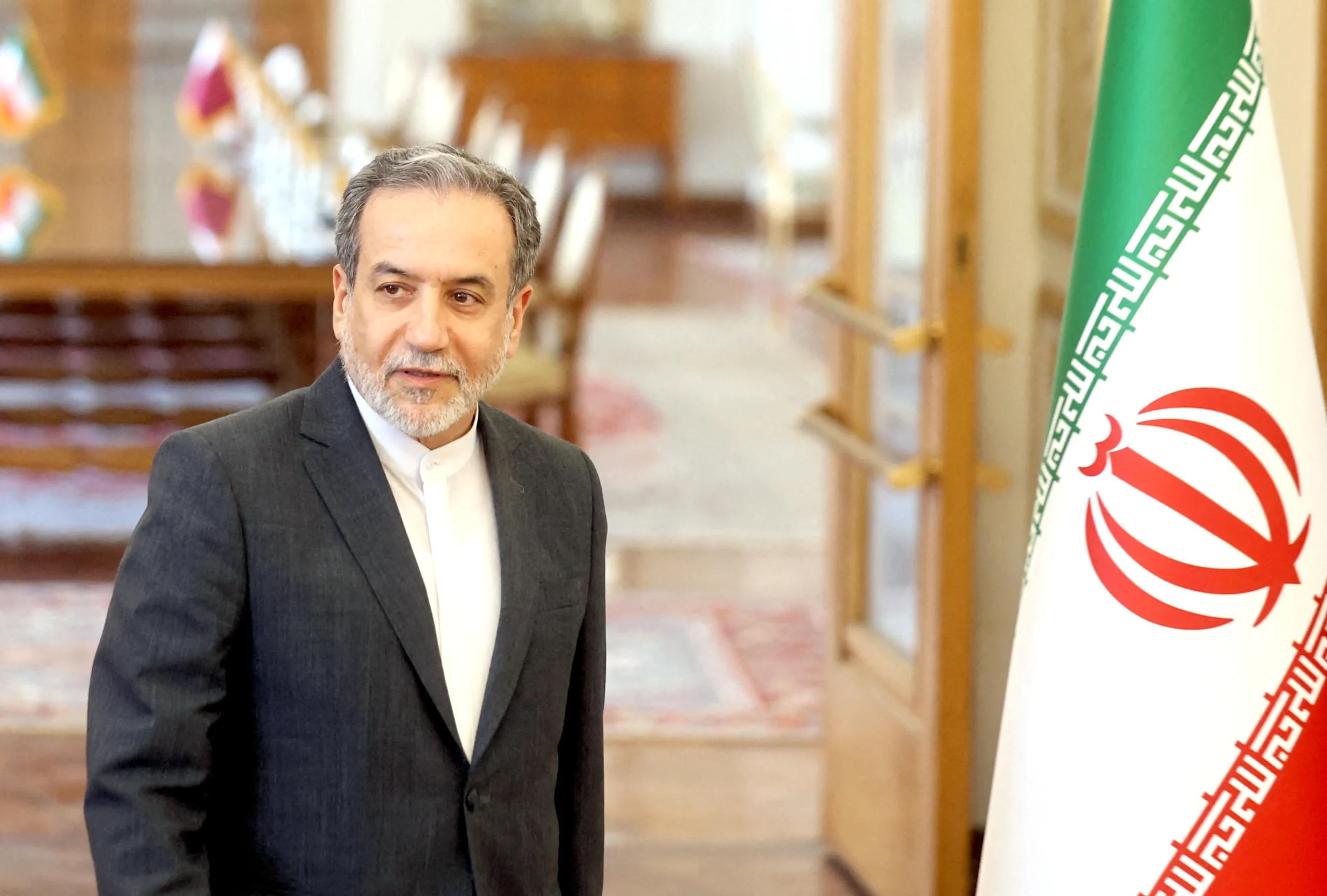
Iran’s Foreign Minister Abbas Araghchi Heads to Moscow to Meet Vladimir Putin
12 sources compared

Iran and U.S. Enter Awkward Limbo After Trump Cancels Iran Peace Talks
18 sources compared