Iran And US Establish Direct Communication Line In Strait Of Hormuz To Prevent Incidents
Key Takeaways
- Direct Iran-U.S. communication line established in Hormuz to prevent incidents.
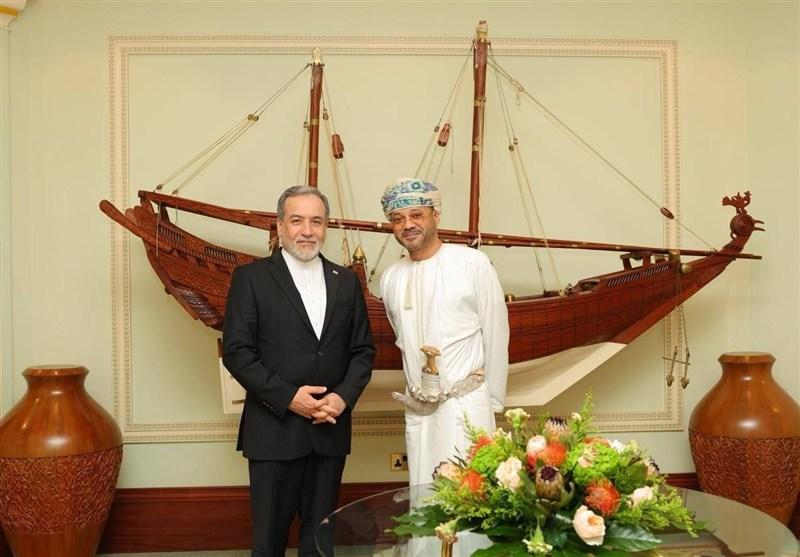
- Iran and Oman coordinate on Hormuz traffic and maritime administration.
- Switzerland-brokered 14-point memorandum aims to de-escalate Hormuz tensions and guide talks.
Hormuz channel amid talks
Iran and the United States established a direct communication line in the Strait of Hormuz to prevent incidents that could lead to military confrontation, Iranian state media said after technical talks in Switzerland.
Press TV said the line was created "to prevent incidents in the Strait of Hormuz that might lead to military confrontation" and to implement the provisions of Article 5 of the Islamabad Memorandum of Understanding.

The agreement entered into force on June 18, with the deal including provisions on ending hostilities, reopening the Strait of Hormuz and setting temporary arrangements for maritime transit through the waterway.
The same reporting tied the mechanism to broader negotiations aimed at ending hostilities in West Asia, while the United States and the Gulf Cooperation Council reaffirmed their strategic partnership alongside the June 17 memorandum of understanding between Washington and Tehran.
In parallel, the TRT World report said Iran’s Islamic Revolutionary Guard Corps (IRGC) denied US claims that such a direct communication line had been established, with IRGC spokesperson Brig. Gen. Hossein Mohebbi saying, "This has not happened and will not happen."
Competing claims and rhetoric
While Iranian state media framed the channel as a deconfliction mechanism, the IRGC publicly rejected the existence of a US-Iran communication line, insisting, "The Strait of Hormuz is Iranian territory and has no connection to the United States," according to TRT World.
In a separate account, the New Region reported that US Vice President JD Vance described the mechanism as a deconfliction channel, saying, "One of the things we wanted to come out with [was a] channel on the Iranian side [for reducing conflict], which we did," in an interview with UnHerd.

The New Region also quoted IRGC spokesperson Sardar Mohibi denying the arrangement, with the state-run IRNA saying the arrangement "has not happened and will not happen."
The dispute over navigation arrangements continued alongside the communications claims, with Iranian officials warning that safe passage cannot be guaranteed without coordination with Tehran and that any failure would lead to the suspension of parallel routes.
Radio Free Europe/Radio Liberty added a separate escalation thread, saying the US military conducted strikes against Iranian sites on June 26 after Tehran’s attack on commercial shipping in the Strait of Hormuz, and quoting CENTCOM’s response that "violated the cease-fire."
Cease-fire fragility and next steps
The communications effort and navigation rules were set against a fragile cease-fire, with Radio Free Europe/Radio Liberty reporting that CENTCOM said its strikes on June 26 followed Tehran’s attack on a commercial ship transiting the Strait of Hormuz on June 25.
“ANI |Updated:Jun 26, 2026 19:51IST Tehran [Iran], June 26 (ANI):Iran's Islamic Revolutionary Guard Corps (IRGC) Navy on Friday said that transit through the strategic Strait of Hormuz would only be permitted through routes approved by Tehran, despite the IRGC establishing a "communication line" with the US Central Command (CENTCOM) in the strait to prevent incidents that could escalate into military confrontation and to facilitate the implementation of provisions under the 14-point memorandum of understanding (MoU)”
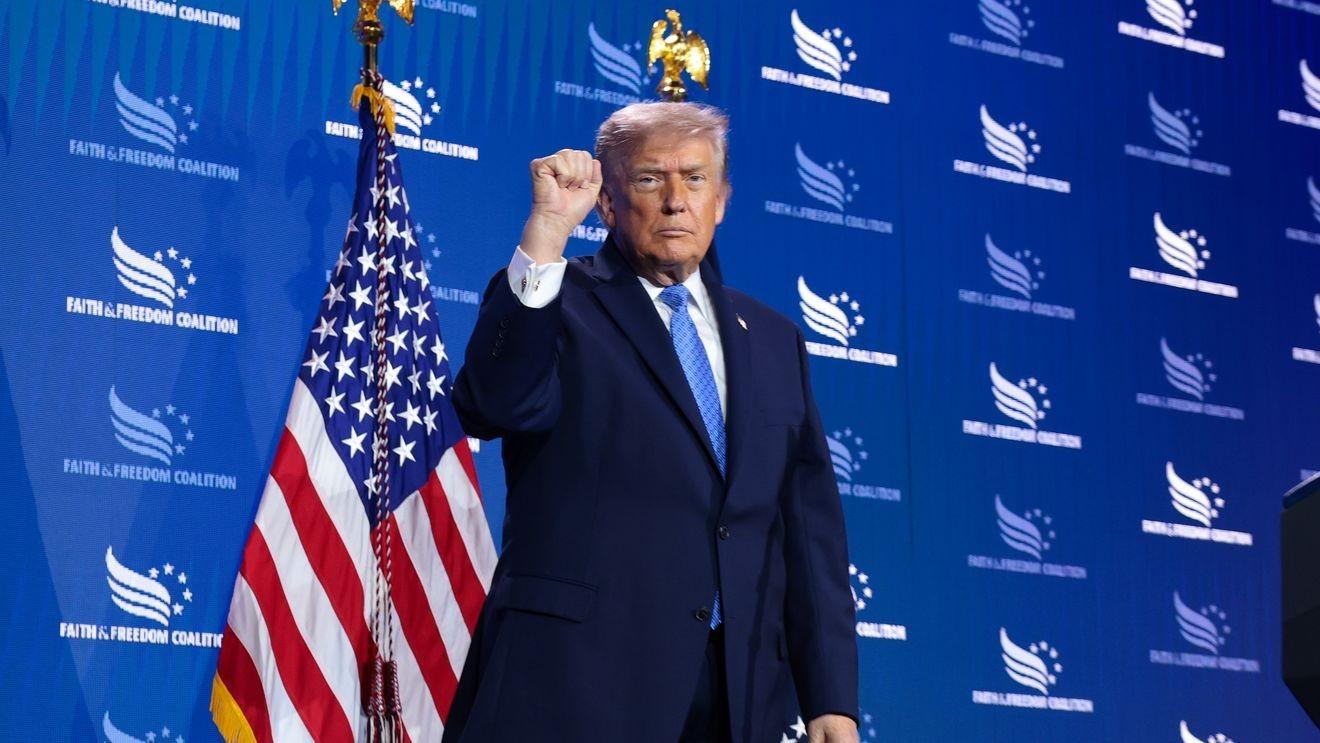
US President Donald Trump wrote that Iran had fired four drones at commercial shipping, adding, "One of the Drones solidly hit the upper deck of a large and very expensive Cargo Carrying Ship," and he later told reporters, "You'll find out" when asked about a potential US response.
Iran’s Foreign Ministry warned that safe passage through the Strait of Hormuz cannot be ensured without coordination with Tehran, and it framed freedom of navigation as central to securing a lasting agreement between the United States and Iran.
Press TV’s account linked the channel to a 14-point interim agreement signed on June 18 that halted the war triggered by US-Israeli strikes on Iran, and it said Tehran agreed to make best efforts to ensure safe passage of commercial vessels for 60 days at no charge.
The same Press TV reporting said the Supreme National Security Council set up a Persian Gulf Strait Authority to process vessel transit requests, requiring prior applications and adherence to designated routes and schedules, while it also described Article Five as providing for talks between Iran and Oman to define future administration of the strait and maritime services.
More on Iran

Iran Launches 4,000 Projectiles Against Gulf Cooperation Council States After June 17 U.S.-Iran MOU
12 sources compared
U.S. Strikes Iran After Drone Attack on Cargo Ship in Strait of Hormuz
32 sources compared

U.S. Strikes Iran After Trump Accuses Tehran of Ceasefire Violation in Strait of Hormuz
22 sources compared

Oman Warns Allies Ships Through Strait Of Hormuz May Face Transit Fees
12 sources compared