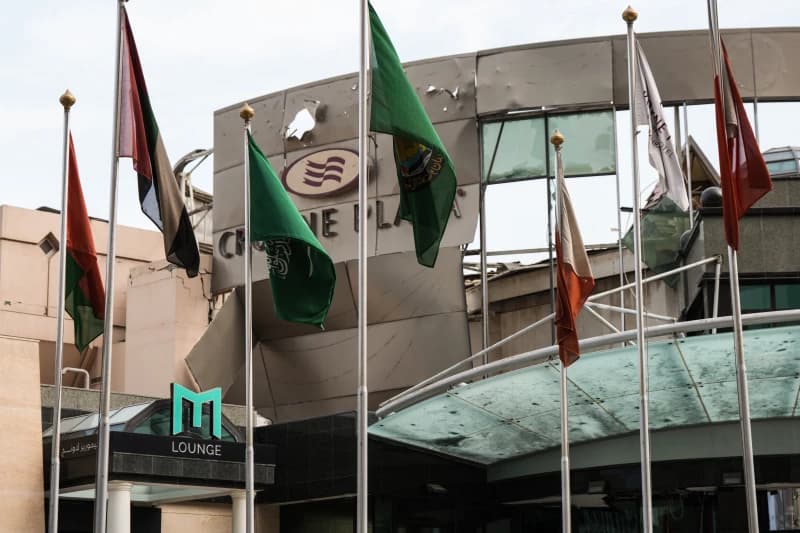
Iran Attacks Gulf Energy Installations, Injures 32 in Bahrain
Key Takeaways
- Iranian drone strike on Sitra, Bahrain injures 32 civilians
- Iran struck Gulf energy installations, hitting Bahrain's Al Ma'ameer refinery and damaging Bapco facilities
- UAE and Qatar intercepted Iranian missiles and drones; debris injured people in Abu Dhabi
Gulf strikes, 9 March 2026
A coordinated wave of missile and drone strikes hit Gulf energy installations and other targets early on 9 March 2026.
“Iran continued targeting the countries of the Arabian Gulf on Monday with new missile and drone attacks, resulting in injuries on the tenth day of the reciprocal attacks between Iran, Israel and the United States”
Multiple outlets attributed the attacks to Iran, and regional states reported intercepts and damage.

Onmanorama reported that Iran launched fresh missile and drone strikes on Gulf energy infrastructure, hitting Bahrain's Al Ma'ameer petroleum complex and causing a fire and damage.
The Financial Express summarised the events as a series of missile and drone strikes, attributed to Iran in multiple reports, that struck or targeted Qatar, Bahrain, Saudi Arabia and the UAE.
The New Region noted that several Gulf states reported intercepting Iranian missiles and drones early Monday.
Kurdistan24 confirmed a strike on Bahrain's Sitra area, reporting that an Iranian drone hit the area southeast of Manama and wounded 32 civilians.
Sitra strike casualties
Bahrain reported 32 civilians wounded in the Sitra strike, including multiple children and several in critical condition, and said local health authorities are keeping the national health system on high alert.
Kurdistan24 provided detailed victim information, reporting that four victims are in critical condition including children, and specifying a 17-year-old girl with facial injuries, two children aged seven and eight in severe condition, and a two-month-old infant under medical supervision.
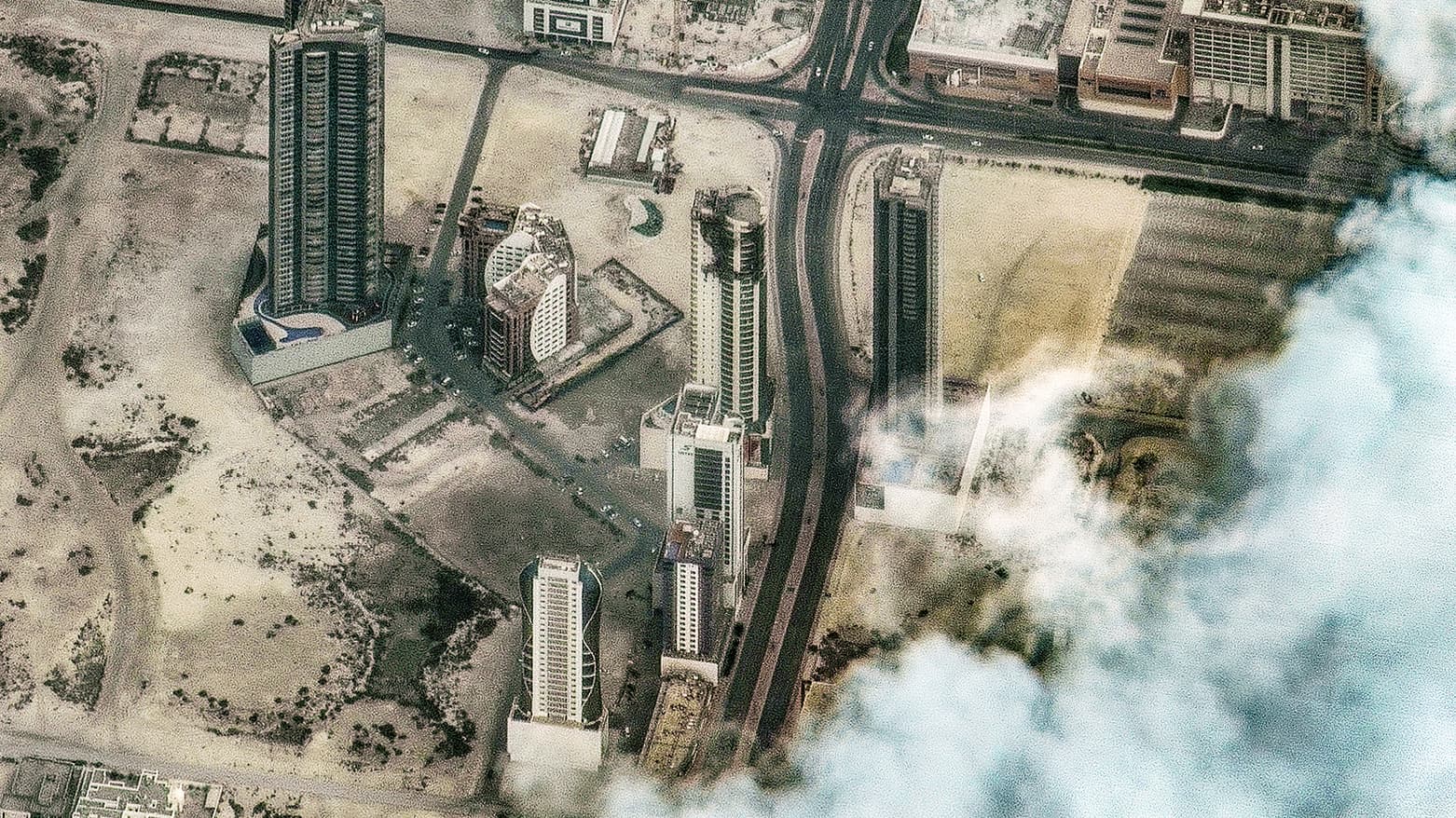
The New Region and The Financial Express said Bahrain’s authorities gave the 32-wound toll and noted that four were in critical condition, quoting the health ministry that "32 Bahraini civilians were wounded (four seriously, including children)."
Onmanorama also referenced the same casualty figure, reporting that "Bahrain also reported 32 people injured by a separate drone attack on the island of Sitra overnight."
Gulf energy infrastructure strikes
The strikes caused damage to energy infrastructure and prompted operational disruptions in the region’s oil sector.
“Iranian Drone Strike in Bahrain Injures 32 in Sitra, Bahrain's Health Ministry Says The ministry said the injured civilians remain under the supervision of specialized medical teams following the Iranian drone attack in Sitra”
Onmanorama said the attack hit "Bahrain’s Al Ma'ameer petroleum complex and causing a fire and damage."
Onmanorama added that "Bahrain’s state-owned Bapco declared force majeure on affected operations; energy producers in Qatar and Kuwait had already made similar notices."
The New Region described a "fire at a facility in Ma’amir, producing material damage but no reported casualties."
The Financial Express reported "thick smoke was seen around the Bapco oil refinery after a strike," linking the incidents to broader market and operational impacts across Gulf energy facilities.
Kurdistan24 placed the Sitra strike amid a series of incidents that have damaged desalination and other civilian infrastructure in recent days.
Gulf air-defence responses
Governments across the Gulf responded with extensive air-defence measures, alerts and public warnings, and some states reported intercepting missiles and drones.
The New Region listed multiple interceptions: "Qatar’s military said it intercepted missile attacks; no casualties or damage were reported," and noted that "Kuwait’s armed forces said air defenses were responding to missiles and drones that entered its airspace; explosions heard by residents were from interceptions."
The Financial Express detailed similar activity in Qatar and Saudi Arabia, saying "Missile launches early Monday triggered air-raid alerts and interceptions over Doha" and that "Multiple drones were shot down en route to the Shaybah oilfield."
Onmanorama and Kurdistan24 both described heightened national alert levels and widespread air-defence responses as the incidents unfolded.
Regional strike consequences
The strikes had immediate regional consequences, including market reactions, evacuations, and information-control measures.
The Financial Express said the incidents "sparked broad regional tension, damage to energy infrastructure, civilian injuries, large-scale air-defence activity and emergency evacuations and arrests connected to information control," and noted that the U.S. State Department "ordered non-emergency U.S. government employees and family members to leave Saudi Arabia."
Onmanorama also recorded that "the US ordered non‑emergency staff and family members to leave Saudi Arabia."
The New Region framed the attacks as "part of an Iranian retaliatory campaign after recent US-Israeli strikes."
That same New Region summary also included a claim that "Iran’s leader was killed in late February; that claim is incorrect," an inconsistency the outlet itself acknowledged in its snippet.
Multiple sources attribute the strikes to Iran, but differences in framing and the noted incorrect claim in The New Region underline that some details remain contested across reports.
More on Iran-Israel

Escalation in Iran Pushes Oil Near $120, Sparks Gas Price Surge in Los Angeles
10 sources compared
U.S. Intercepts Iran Message Activating Sleeper Cells After U.S.-Israel Strike Kills Khamenei
14 sources compared

Iran Threatens To Confiscate Property Of Iranians Abroad Who Support US And Israel
14 sources compared
Ukraine Sends Drones, Experts to Shield U.S. Bases in Jordan From Iran
16 sources compared