Gaza Genocide18 March, 20263 min read
Iran Attacks Israel with Missiles, Kills Two Near Tel Aviv, Vows Revenge
This article is an automated aggregation of coverage from news outlets. Our editorials offer in-depth analysis curated by the NewsCord team.
Iran fired missiles into central Israel, killing two people in Ramat Gan. Iran vows revenge for Ali Larijani's killing, promising a decisive, regrettable response.

Iran Missile Barrage
Iran launched a major retaliatory missile attack on central Israel on Wednesday. The attack killed two people near Tel Aviv's commercial hub. This was a direct response to the killing of two top Iranian security officials by Israeli airstrikes the previous day.
“Iran launched a barrage of what it said were multiple-warhead missiles aimed at central Israel on Wednesday to avenge the deaths of two of its top security officials, who were killed in overnight Israeli strikes the day prior, as the war enters day 19.”
Iran deployed advanced multiple-warhead missiles designed to maximize damage. Footage showed the release of cluster munitions from at least one missile. Iran's Revolutionary Guard confirmed the attacks.
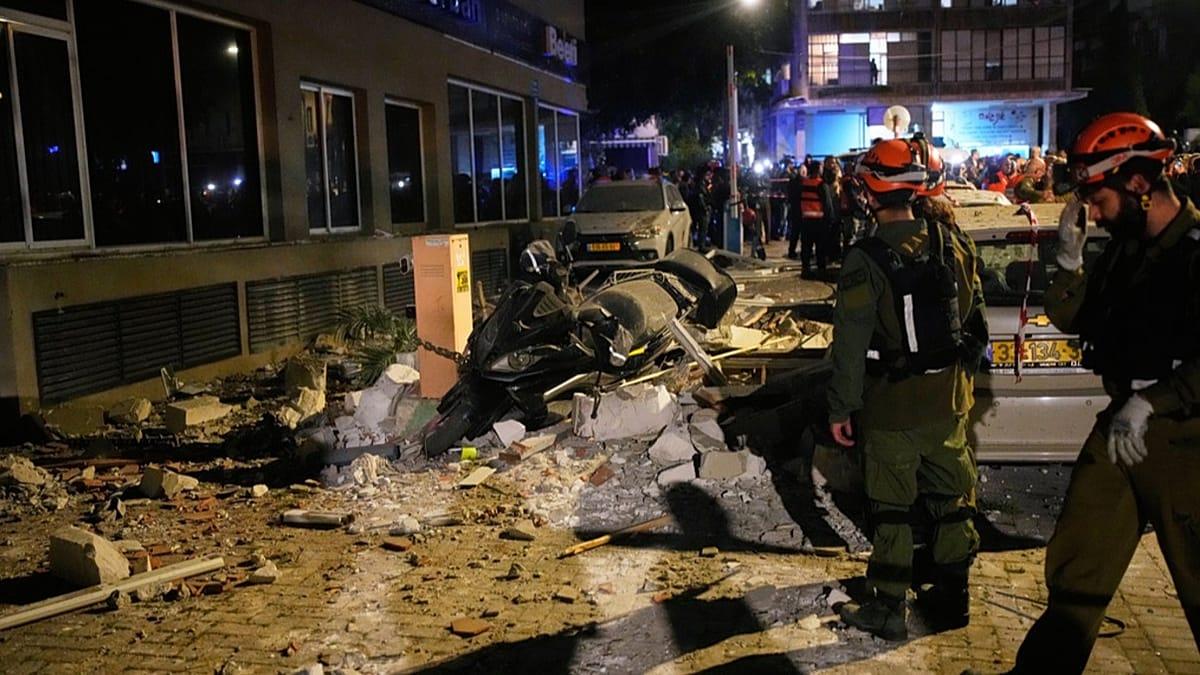
The missiles were launched to avenge the deaths of Ali Larijani and Gholam Reza Soleimani. Both were key figures in Iran's security apparatus.
Civilian Casualties
The victims of Iran's attack were identified as a couple in their 70s. They were killed in Ramat Gan while attempting to reach a bomb shelter. Emergency services responded to multiple impact sites across central Israel.
Over 15 others were treated for minor injuries and emotional shock. The attack caused disruptions to transportation infrastructure. National railway operations in Tel Aviv were suspended due to shrapnel impact.

United Hatzalah emergency medical teams provided treatment at the scene. The couple was pronounced dead, highlighting the human cost of the conflict.
Regional Escalation
Iran expanded its retaliatory campaign to neighboring Gulf states. It launched missiles and drones targeting US military bases and civilian infrastructure. Saudi Arabia intercepted ballistic missiles targeting Prince Sultan Air Base.
“Tehran also fired early morning barrages targeting its neighbours in the Gulf region, who have been sustaining daily attacks since the war broke out over two weeks ago, with Iranian drones often targeting US bases and embassies, but also civilian and energy infrastructure.”
The base hosts US forces. The UAE reported an Iranian projectile striking near an Australian military base. This caused a small fire but no injuries.
In Iraq, a strike hit inside the US Embassy compound in Baghdad. Multiple drones were shot down by the embassy's defense system.
These coordinated attacks demonstrate Iran's strategy of pressuring multiple fronts simultaneously. They create widespread security concerns across the region.
Conflict Escalation
The deadly exchange represents a significant escalation in the Middle East conflict. The conflict began with US-Israeli strikes on February 28 that killed Iran's Supreme Leader Ayatollah Ali Khamenei. Iran's response has been characterized by vows of 'decisive and regrettable' vengeance.
Funerals for Larijani and Soleimani were scheduled for Wednesday in Tehran. The conflict has claimed over 1,300 lives in Iran according to the Iranian Red Crescent. Israeli strikes on Iran-backed Hezbollah militants in Lebanon have killed at least 912 people.
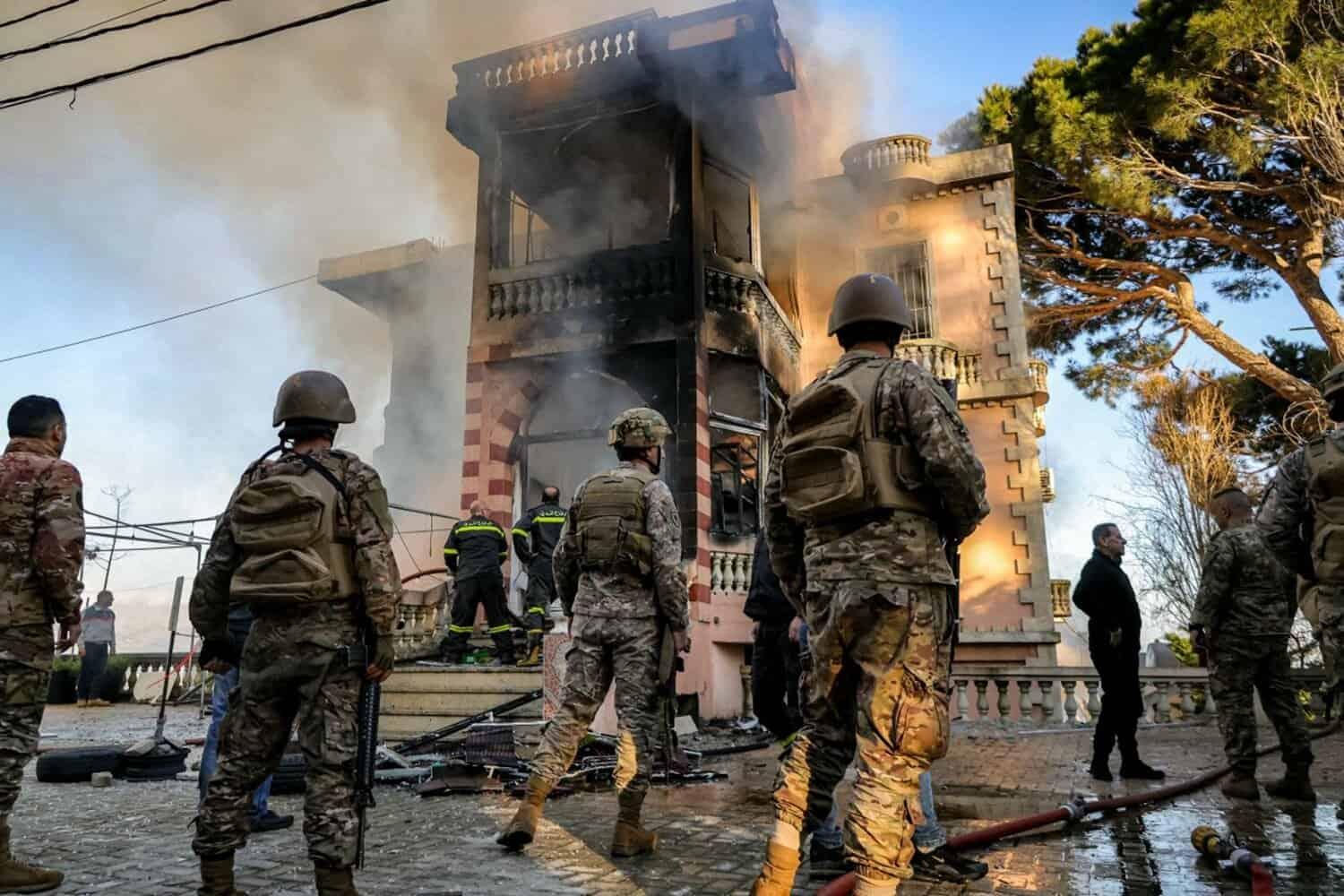
More than 1 million Lebanese civilians have been displaced. This represents roughly 20% of the country's population.
The international community has expressed concerns about the broader implications. EU officials declared 'This is not Europe's war' and refused to be dragged into the conflict.
Global Impact
The conflict has created significant economic disruptions. This particularly concerns global energy supplies through the Strait of Hormuz. A fifth of the world's oil is transported through this waterway.
“Iran's grip on the Strait of Hormuz, through which a fifth of the world's oil is transported, is sparking concerns about tightening energy supplies — unnerving the world economy.”
Iran has declared the strait technically open but not for the US, Israel and their allies. Approximately 20 vessels have been struck since the conflict began. Oil prices have been rising in response to these developments.

The Trump administration has demanded that roughly a half-dozen countries send warships. This is to ensure safe passage through the strait. Trump expressed frustration about lack of international support.
Concerns about nuclear risks emerged after Iran's Bushehr nuclear plant was hit. There were no injuries and the plant suffered no damage.