
Iran Attacks Gulf Energy Facilities After South Pars Gas Field Strike
Key Takeaways
- Iran attacked Ras Laffan LNG; two of 14 trains were hit.
- Attack knocked out 17% of Qatar's LNG export capacity; repairs could take five years.
- Global LNG supply disrupted, risking European and Asian gas supply and higher prices.
Gulf Energy Attacks
Iran launched coordinated attacks on energy infrastructure across the Gulf Arab states on Thursday, March 19, 2026, in retaliation for Israel's strike on Iran's South Pars gas field.
“Save Share Iran’s strike on Qatar gas facility will reduce supply for 3 to 5 years Iran’s strike on Qatar’s Ras Laffan gas facility will cut an estimated 17% of the country’s Liquefied Natural Gas export capacity for up to five years, officials say”
The Revolutionary Guards warned of further destructive attacks after Iran vowed to target energy infrastructure across the Gulf following the Israeli strike.
Iran's retaliation included missile strikes on Qatar's Ras Laffan Industrial City, drone attacks on Saudi Arabian energy facilities, and incidents at UAE's Habshan gas facilities.
These attacks came after Israel had killed Iranian intelligence chief Esmail Khatib in what Iranian President Masoud Pezeshkian condemned as a 'cowardly assassination.'
The attacks represent a dramatic escalation in the regional conflict between Iran and Israel.
Qatar Energy Damage
The Iranian strikes inflicted severe damage on Qatar's Ras Laffan Industrial City, the world's largest LNG production hub.
Approximately 17% of Qatar's liquefied natural gas export capacity was crippled by the attacks.
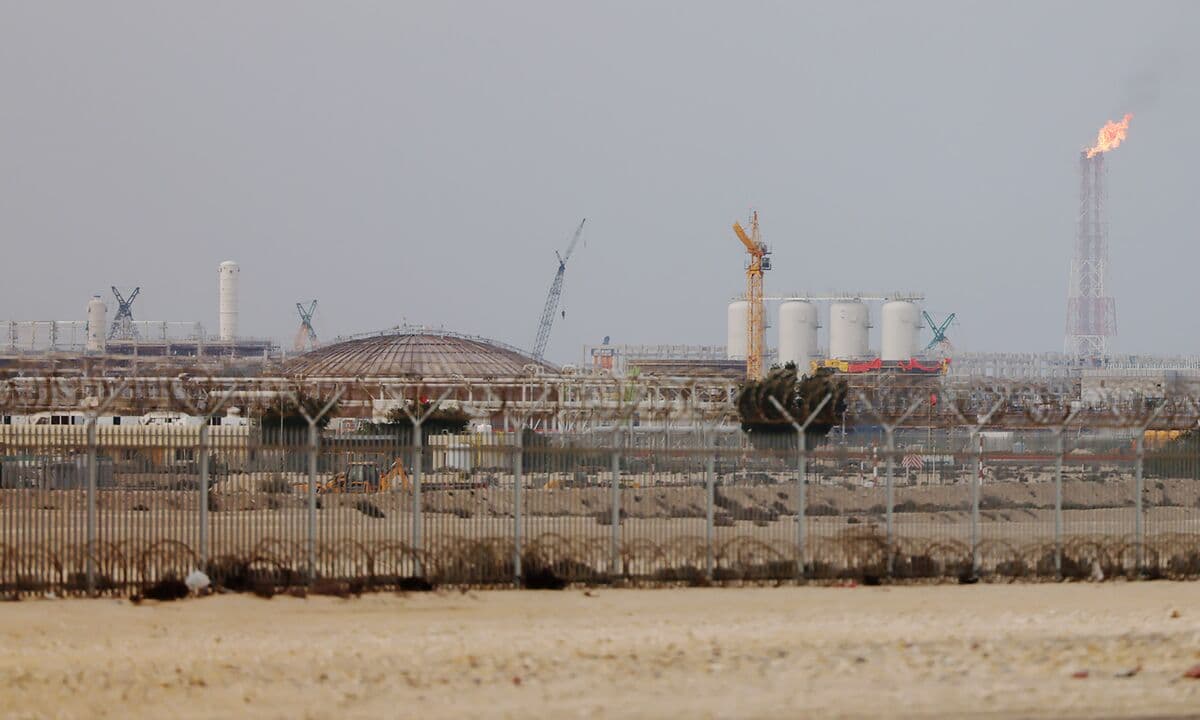
QatarEnergy CEO Saad al-Kaabi reported that two of Qatar's 14 LNG trains and one gas-to-liquids facility were damaged.
The damaged facilities cost approximately $26 billion to build and will sideline 12.8 million tonnes per year of LNG production.
The disruption is expected to result in an estimated $20 billion in lost annual revenue for Qatar.
QatarEnergy may declare force majeure on LNG contracts for up to five years, affecting European and Asian markets.
Market Response
The attacks sent shockwaves through global energy markets, with oil prices surging dramatically.
“(Bloomberg)(WSJ)(Reuters)(FT)(Capital Brief) 2”
Brent crude oil spiked as high as $119 per barrel early Thursday, while U.S. West Texas Intermediate crude temporarily reached $100.02 per barrel.
These price increases represented jumps of over 5% and 4% respectively from previous levels.
The market reflected anxiety about the vulnerability of regional energy infrastructure.
Wholesale natural gas prices across Europe jumped by as much as 25%.
Analysts noted that even minor physical damage could have disproportionate impacts on global energy prices.
International Response
The international community reacted with alarm to the escalating conflict.
French President Emmanuel Macron labeled the escalation 'reckless' and called for a moratorium on strikes targeting civilian infrastructure.

Leaders of the U.K., Germany, Italy, the Netherlands and Japan issued a joint statement calling for an 'immediate comprehensive moratorium on attacks on civilian infrastructure.'
U.S. President Donald Trump called for strikes on both Iranian and Qatari energy sites to halt the conflict.
Trump threatened to 'massively blow up the entirety of the South Pars Gas Field' if Iran continued attacking Qatar.
Qatar's prime minister condemned the attacks as aggression and called for an immediate end to the war.
Iran's foreign minister signaled the country was prepared to escalate further.
Strategic Implications
The attacks represent a potentially catastrophic escalation in the Iran-Israel conflict.
“Iranian attacks have knocked out 17% of Qatar’s LNG capacity, with QatarEnergy’s CEO warning repairs could take up to five years and disrupt global energy supplies”
The damage to Gulf energy infrastructure has set the region's energy capabilities back 10 to 20 years.

The conflict threatens to choke off vital energy supplies through the Strait of Hormuz.
Approximately 20% of global oil trade passes through the Strait of Hormuz.
U.S. intelligence assessments suggest the Iranian government remains 'intact but largely degraded'.
The Trump administration is considering deploying thousands of additional U.S. troops to secure oil tanker passage through the Strait.
This could further escalate military involvement in the region.
More on Iran

Israel Attacks Iran's South Pars Gas Field, Sparks Regional Escalation
10 sources compared
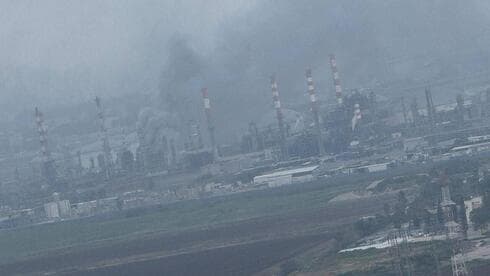
Iran Hits Bazan Refineries in Haifa Bay with Missiles, Triggers Hazard Assessment
14 sources compared
Pentagon Seeks $200 Billion for Iran War, Awaiting Congressional Approval
15 sources compared

Trump jokes about Pearl Harbor during Oval Office meeting with Japan's Prime Minister Sanae Takaichi
36 sources compared