
Iran Attacks United Arab Emirates as UAE Intercepts 1,797 Missiles and Drones
Key Takeaways
- UAE intercepted over 90% of incoming Iranian missiles and drones.
- By March 12, UAE air defenses intercepted 268 missiles and drones.
- Iranian attacks have hit the UAE harder than any country except Israel.
UAE Defensive Success
Iran's retaliation against U.S. and Israeli strikes has resulted in extensive attacks across at least 11 countries.
“At least 11 countries have come under attack from Iran in retaliation for ongoing U”
The United Arab Emirates has experienced some of the heaviest bombardment outside of Israel during this conflict.
The UAE has demonstrated remarkable defensive capabilities by claiming to intercept over 90% of incoming missile and drone threats from Iranian forces.
According to official UAE Ministry of Defense data released on March 12, the Emirates successfully intercepted a massive arsenal of 268 ballistic missiles, 15 cruise missiles, and 1,514 drones during the first 13 days of the conflict.
Despite the unprecedented scale of the attack, the strikes resulted in only 6 fatalities and 131 injuries.
Disproportionate Targeting
The scale of Iranian attacks targeting the UAE significantly exceeds those directed at other Gulf neighbors.
The UAE has faced nearly as much firepower from Iran as towards Israel itself.
While neighboring Qatar, Saudi Arabia, and Bahrain have faced strikes in the hundreds, the UAE has confronted over 1,000 missiles and drones in just the last two weeks.
This disproportionate targeting suggests Iran views the UAE as particularly strategic.
Iran has chosen to inflict maximum regional and global pain rather than limiting attacks to military or U.S. facilities as Iranian officials have publicly claimed.
Civilian Impact
Despite the high interception rate, Iran's strikes have significantly disrupted daily life across the UAE.
“At least 11 countries have come under attack from Iran in retaliation for ongoing U”
Residents in Dubai and Abu Dhabi experience frequent loud explosions from daily defensive engagements.
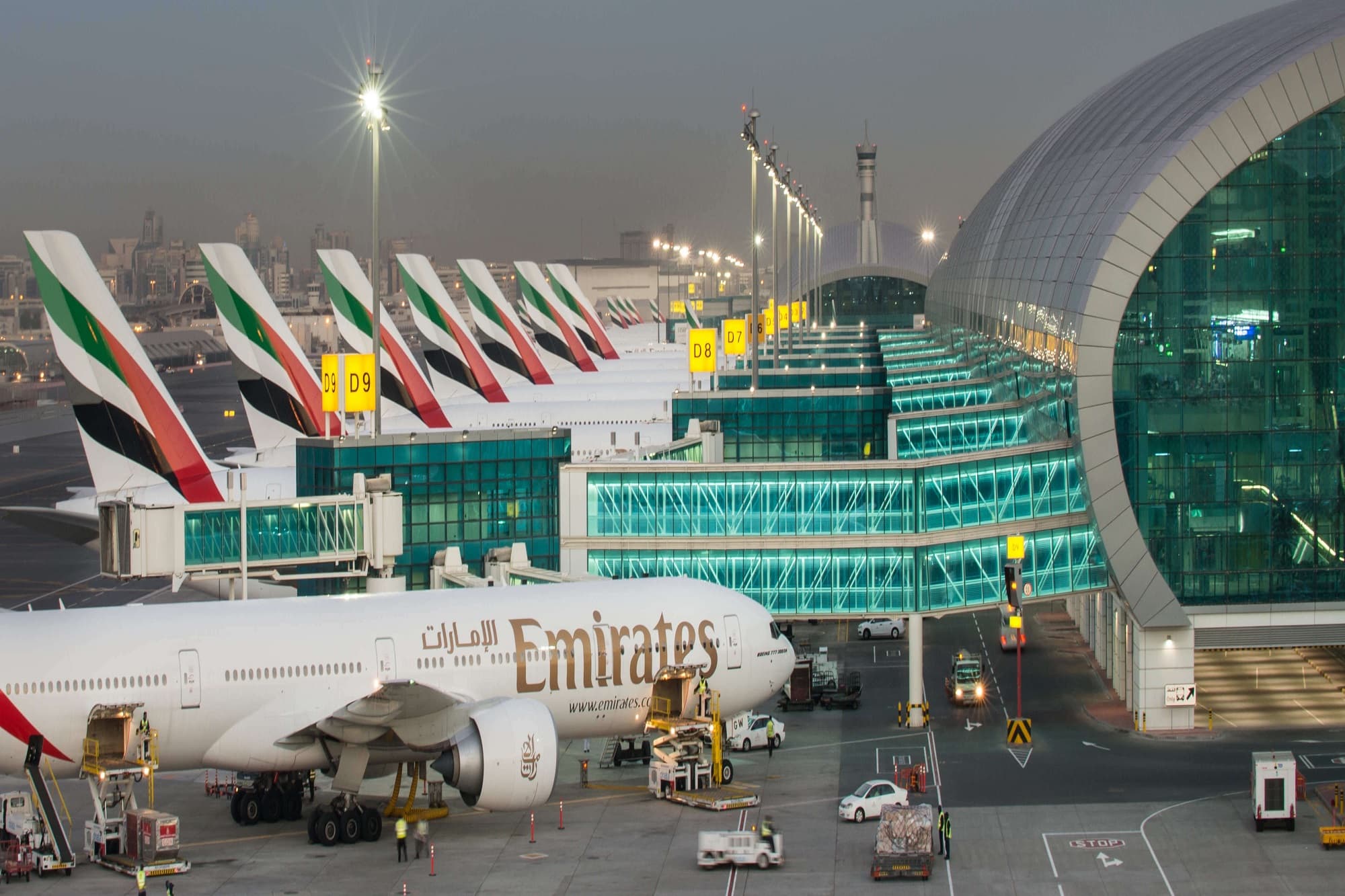
The widespread targeting has extended to critical civilian infrastructure including airports in both major cities.
Other targets have included residential buildings, hotels, the Dubai International Financial Center, Jebel Ali Port, and the U.S. consulate in Dubai.
These attacks have created an atmosphere of constant vigilance with missile alarms ringing out on phones at all hours.
Residents are adjusting to the new reality of living under constant threat.
Strategic Rationale
Iran's strategic focus on the UAE reflects the Emirates' critical importance as the Gulf's safest bridge between East and West.
The UAE serves as a global hub for finance, logistics, aviation, and technology.
By targeting the UAE, Iran aims to simultaneously pressure Washington and disrupt global energy flows.
Iran also seeks to unsettle international finance and corporate operations while generating worldwide attention.
The choice of UAE as a prime target demonstrates Iran's calculation that attacking this relatively stable, prosperous Gulf state can achieve maximum regional and global impact.
This strategy tests a nation that has positioned itself as the future of the region for multiple industries and as a diplomatic bridge between opposing powers.
More on Iran
Russia Secretly Airlifts Iran's Supreme Leader Mojtaba Khamenei to Moscow for Surgery
11 sources compared
Iranian Drone Strike Shuts Dubai International Airport, Thousands Stranded
25 sources compared

Iran Drone Strike Shuts Dubai International Airport, Triggers Global Travel Disruption
16 sources compared

Iran's New Supreme Leader Mojtaba Khamenei Travels to Moscow for Leg Surgery
15 sources compared