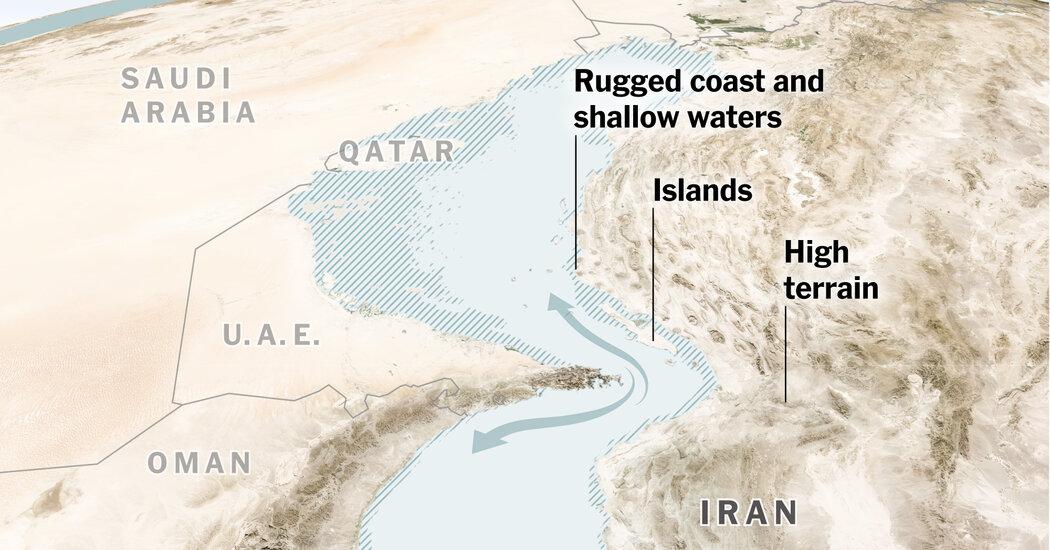
Iran Blocks Strait of Hormuz After U.S. and Israeli Attacks
Key Takeaways
- Iran effectively blockades the Strait of Hormuz after US-Israeli attacks, disrupting global oil traffic.
- Oil prices surged and global markets wobbled due to the strait closure.
- Hundreds of oil tankers idling at both ends of the Strait.
Strategic Waterway Crisis
The Strait of Hormuz has been effectively closed by Iran following U.S. and Israeli military attacks in late February.
“Trump’s changing course on Strait of Hormuz strategy raises questions about US war preparation Trump’s changing course on Strait of Hormuz strategy raises questions about US war preparation WEST PALM BEACH, Fla”
This strategic waterway, critical for global energy transport, now sees only a handful of ships passing through each day.
The closure represents Iran's direct response to the U.S.-Israeli military campaign, which began in late February.
The effective blockade has sent shockwaves across global markets, with oil prices soaring and stock markets fluctuating.
Trump's Shifting Strategy
President Trump has responded to the Hormuz crisis with a rapidly shifting strategy that has drawn criticism for appearing erratic.
Initially attempting diplomatic solutions by calling for an international coalition to send warships, Trump was rebuffed by allies.
His approach then shifted to lifting sanctions before escalating to direct threats against Iranian civilian infrastructure.
This culminated in an ultimatum demanding Iran reopen the strait within 48 hours or face the 'obliteration' of its power plants.
Global Economic Impact
The closure of the Strait of Hormuz has triggered severe economic disruptions worldwide.
“Hundreds of oil tankers are idling at either end of the Strait of Hormuz”
Nearly 90% of all oil and gas passing through the strait is destined for Asian countries, making the region the primary victim.
Soaring oil prices have rattled global markets and created significant economic strain.
In China, fuel prices have jumped by 20%, prompting government price controls despite having reserves equivalent to three months of imports.
Human Cost Crisis
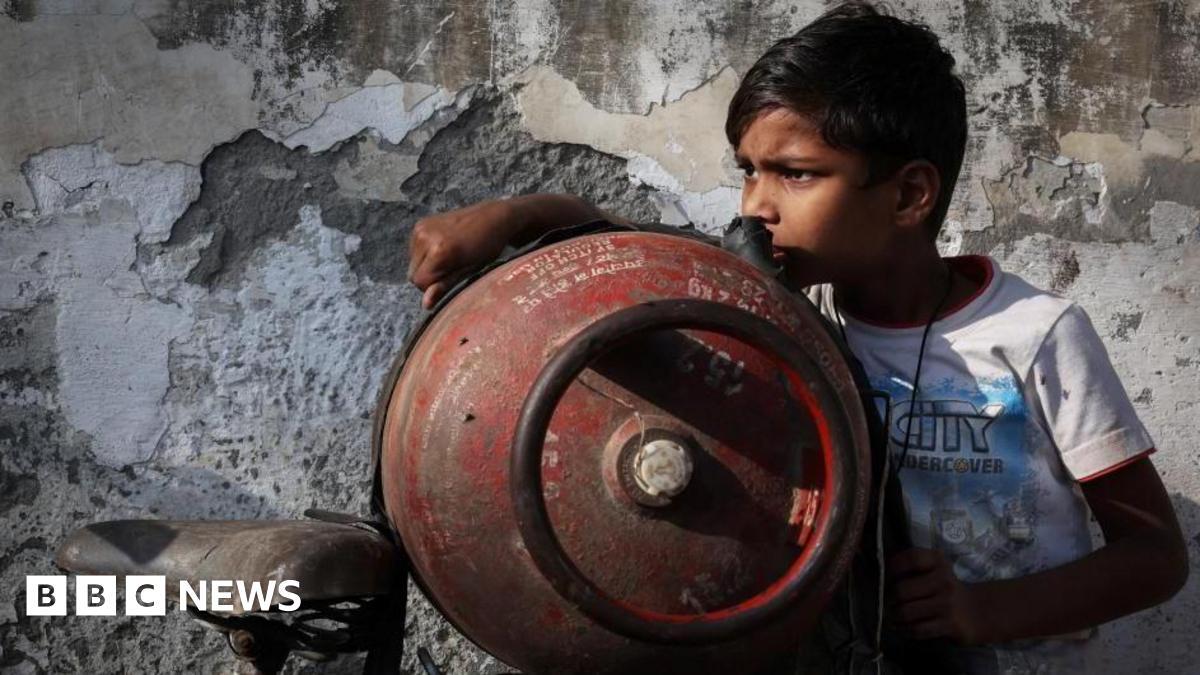
Beyond macroeconomic effects, the Hormuz crisis has inflicted severe human suffering on ordinary people.
In the Philippines, which declared a national emergency, the crisis has devastated livelihoods.
Jeepney drivers have seen daily incomes plummet from 1,000-1,200 pesos to just 200-500 pesos.
Fishermen and farmers are equally affected, with several vegetable farmers already forced to stop planting.
More on Iran

Pentagon orders 1,000 82nd Airborne troops to West Asia amid Kharg Island seizure talks
13 sources compared

U.S. Prepares to Deploy 1,000 82nd Airborne to West Asia to Seize Airfields
17 sources compared

Pentagon deploys 3,000 82nd Airborne troops to West Asia to backstop Iran war operations
14 sources compared

US, Israel escalate West Asia strikes as US demands Iran roll back nuclear program
12 sources compared