
Iran Blocks Strait of Hormuz Despite Two-Week Ceasefire With US and Israel
Key Takeaways
- Iran maintains de facto control of the Strait of Hormuz during ceasefire.
- Traffic through Hormuz remains 90% below normal; about ten ships passed since ceasefire.
- Two-week ceasefire among U.S., Iran and Israel takes effect.
Ceasefire and Strait Reopening
The United States and Iran agreed to a two-week ceasefire on April 7 after nearly six weeks of fighting.
“Consumer prices in the United States have risen by nearly 1 percent in March – one of the highest short-term inflation rates in years – largely due to the disruption of the energy markets amid the war on Iran”
Trump announced the agreement hours after threatening to destroy Iranian civilization if the Strait of Hormuz was not reopened.

Iran's foreign minister said safe passage through the Strait would be possible if coordinated with Iran's military.
Israel stated the ceasefire did not include Lebanon, contradicting Pakistan's earlier statement.
The Strait of Hormuz remained effectively closed as Iran continued to block commercial shipping and imposed a $2 million transit fee.
Only 11 vessels passed through in the two days following the ceasefire, all either Iranian or tied to Iran-friendly countries.
Hormuz Blockade and Toll
Despite the ceasefire, the Strait of Hormuz remained effectively blocked.
Iran announced alternative routes citing mine risks and stated ships could only use the strait in collaboration with the Iranian navy.
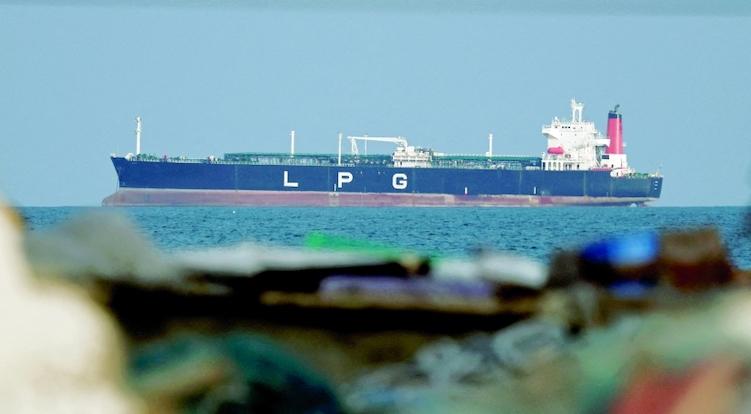
Iran began imposing tolls to fund reconstruction, with prices potentially reaching $2 million per large oil tanker.
The European Union denounced the idea, and Gulf Cooperation Council monarchies would not accept Iran controlling the flow.
Shipping industry representatives warned that leaving the Gulf would not be advisable without coordination between the United States and Iran.
Economic Impact and Recovery
The blockade caused energy prices to soar globally.
“Fragile Truce Iran ceasefire brings relief, but production scars run deep A two-week pause in hostilities sent oil prices into freefall and markets soaring on 8 April”
Consumer prices in the United States rose by 0.9 percent in March.
US consumer sentiment plunged to a record low of 47.6 in early April.
The International Energy Agency described the blockade as more consequential than past disruptions.
The damage to the region's energy infrastructure was profound.
The shipping industry faced a triple crisis of an unstable ceasefire, mine risks, and tolls.
Regional Reactions and Skepticism
The Gulf states welcomed the truce and called for a final agreement.
Egypt and Turkey emphasized the imperative of upholding the truce and demanded Israel cease attacks on Lebanon.

Iran-aligned militias initially declared support but retaliated after continued Israeli attacks.
Iran remained skeptical the pause could lead to a permanent ceasefire.
Gulf commentary welcomed the ceasefire yet doubted whether it would hold.
The region was left with a dual threat: a weakened Iran and an emboldened Israel.
More on Iran
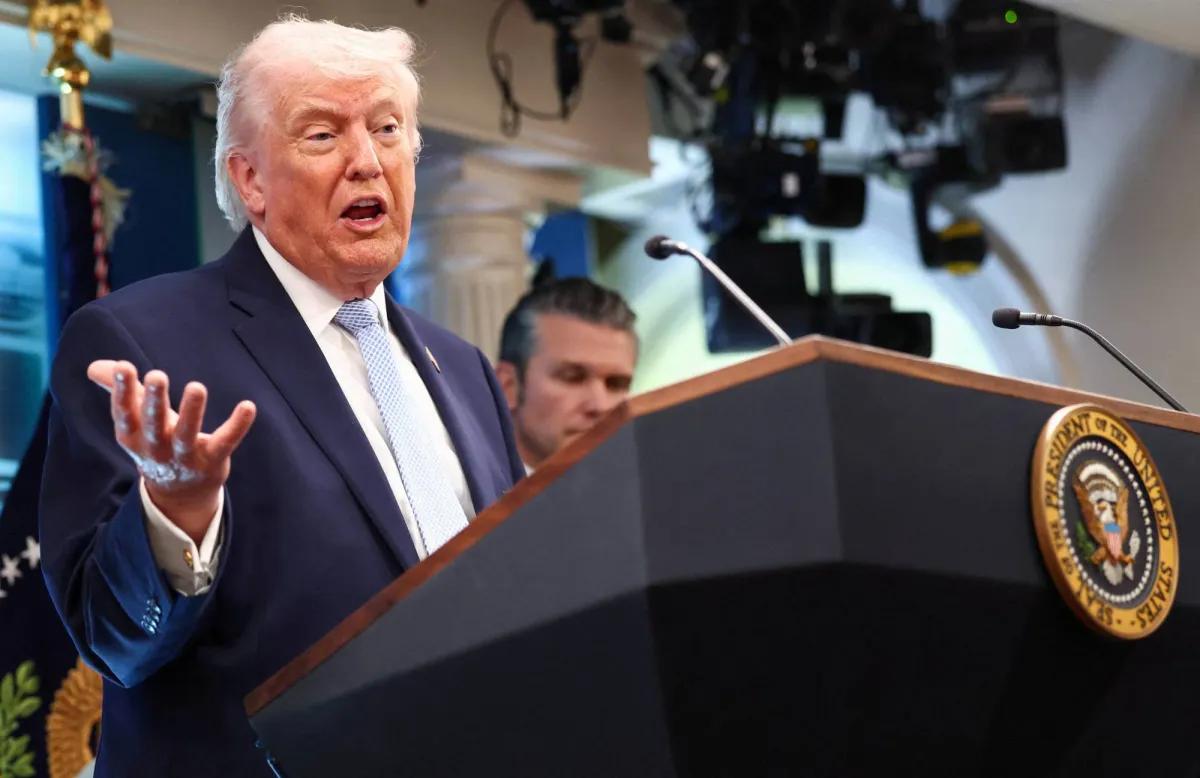
Iran Re-Closes Strait of Hormuz Amid US-Iran Ceasefire and Lebanon Strikes
16 sources compared

US Vice President JD Vance Leads Ceasefire Talks With Iran In Islamabad
52 sources compared

US And Iran Hold Historic Peace Talks In Islamabad Amid Deep Mistrust
28 sources compared
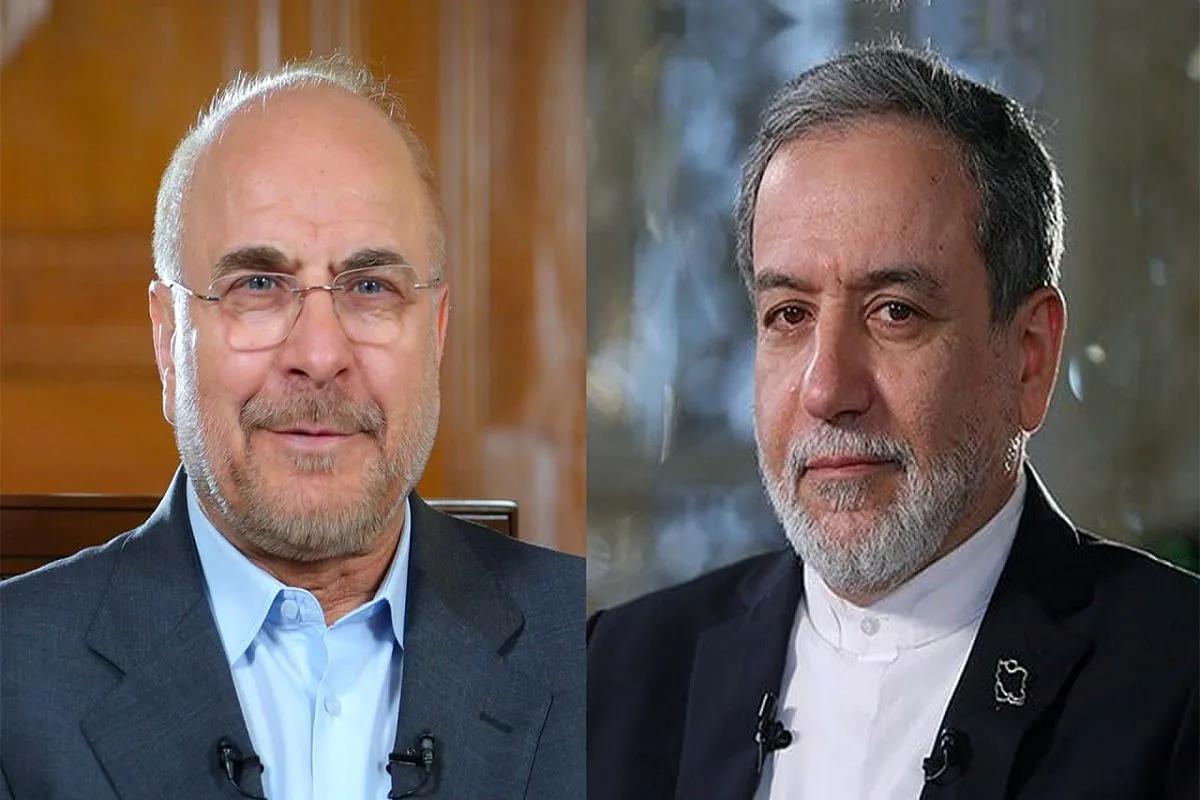
Pakistan Hosts Make-Or-Break US-Iran Talks to Secure Lasting Ceasefire
26 sources compared