Iran Re-Closes Strait of Hormuz Amid US-Iran Ceasefire and Lebanon Strikes
Key Takeaways
- Strait of Hormuz remains closed despite the U.S.–Iran ceasefire.
- U.S. and Iran hold high-stakes talks in Islamabad to negotiate terms.
- The ceasefire is fragile, with threats of renewed strikes and regional spillovers.
Ceasefire and Strait of Hormuz
The two-week US-Iran ceasefire took effect on April 8, mediated by Pakistan, but the Strait of Hormuz remained closed as of April 10.
“Lyse Doucet Chief international correspondent If and when a photograph is taken of US Vice President JD Vance standing next to Iran's Parliamentary Speaker Mohammad Bagher Ghalibaf in Islamabad this weekend, it will make history”
Iran re-closed the Strait of Hormuz after Israel launched strikes on Lebanese territory.
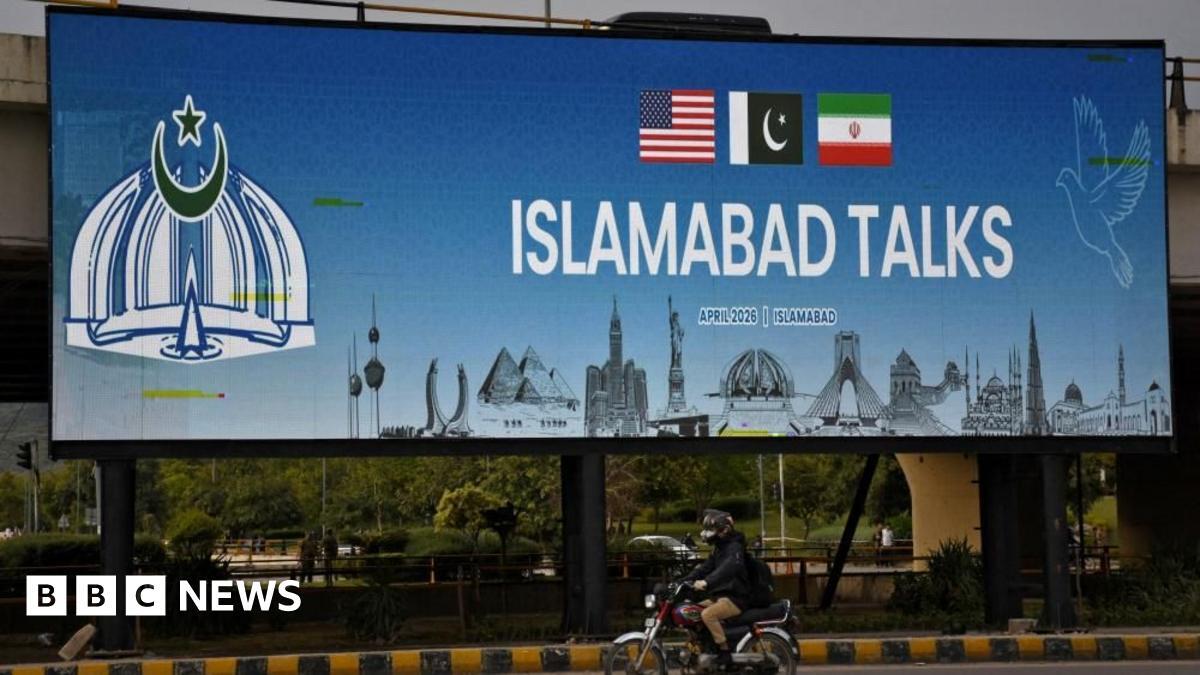
Vice President JD Vance led the American delegation in Islamabad, accompanied by special envoy Steve Witkoff and Jared Kushner.
Iranian Foreign Minister Abbas Araghchi insisted that the Lebanon conflict should be included in the peace agreement's scope.
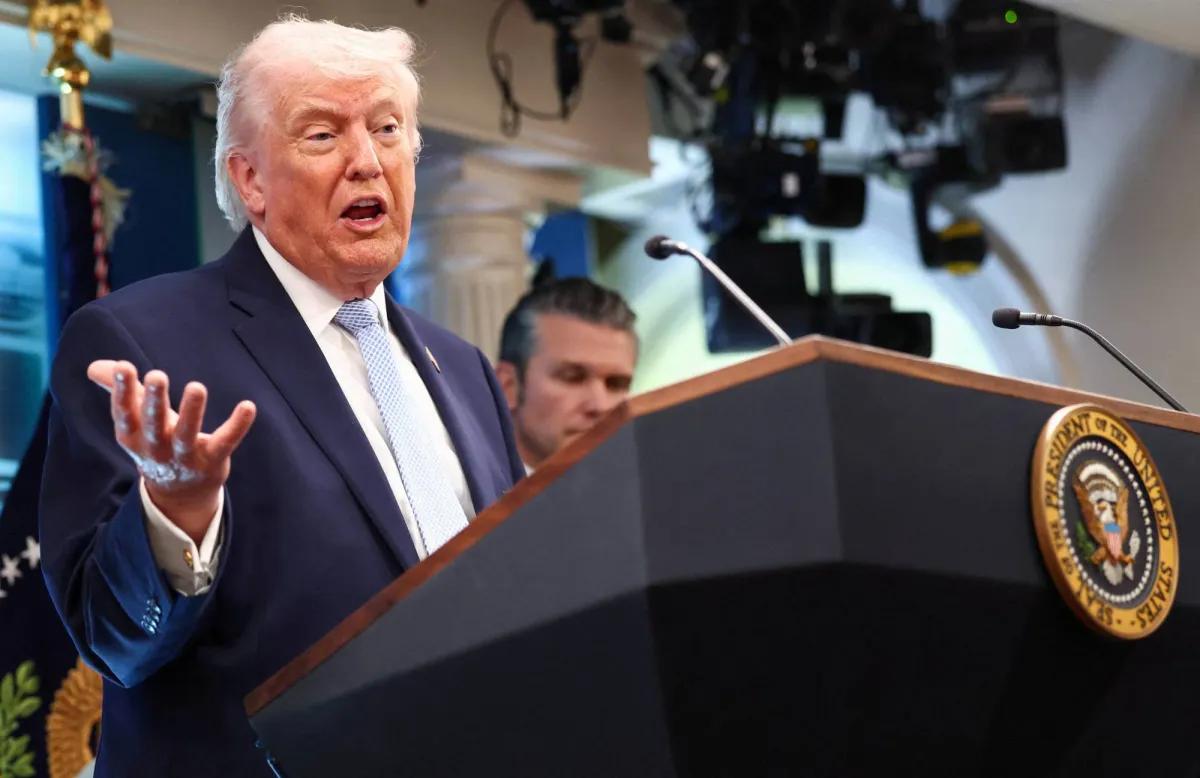
Trump said he doesn’t need a backup plan to reopen the strait, pointing to Iranian military losses.
Negotiations and Divergent Demands
The Islamabad negotiations represented the highest-level face-to-face talks between the US and Iran since 1979.
Iran's delegation was led by Parliament Speaker Mohammad Bagher Ghalibaf and included Foreign Minister Abbas Araghchi.

Ghalibaf said the delegation had good intentions but we do not trust.
Iran submitted a 10-point plan covering maritime security, nuclear constraints, sanctions relief, and structured negotiations.
Israeli Prime Minister Netanyahu said Israel supports the ceasefire but that it does not apply to Lebanon.
Economic Impact and Market Reaction
Brent crude settled around $96.69 per barrel and WTI near $97.87.
“CNBC's Jim Cramer said Friday that the market's become "incredibly overconfident" following the Iran-U”
An estimated 187 tankers laden with 172 million barrels remained stranded in the Gulf.
The gap between paper and physical oil markets became one of the most striking features of the crisis.
CNBC's Jim Cramer warned that the market had become incredibly overconfident.
Mexico's federal budget was calibrated at a 2026 crude oil price assumption well below current market levels.
Regional Dynamics and Lebanon
The ceasefire's exclusion of Lebanon became a critical fault line.
Israel and Hezbollah exchanged new attacks.

Iran's parliamentary speaker said negotiations with the US are contingent on a ceasefire in Lebanon.
The killing of former Iranian Foreign Minister Kamal Kharrazi added to the tensions.
The Council on Foreign Relations noted that both Washington and Tehran were publicly sticking to maximalist agendas.
More on Iran
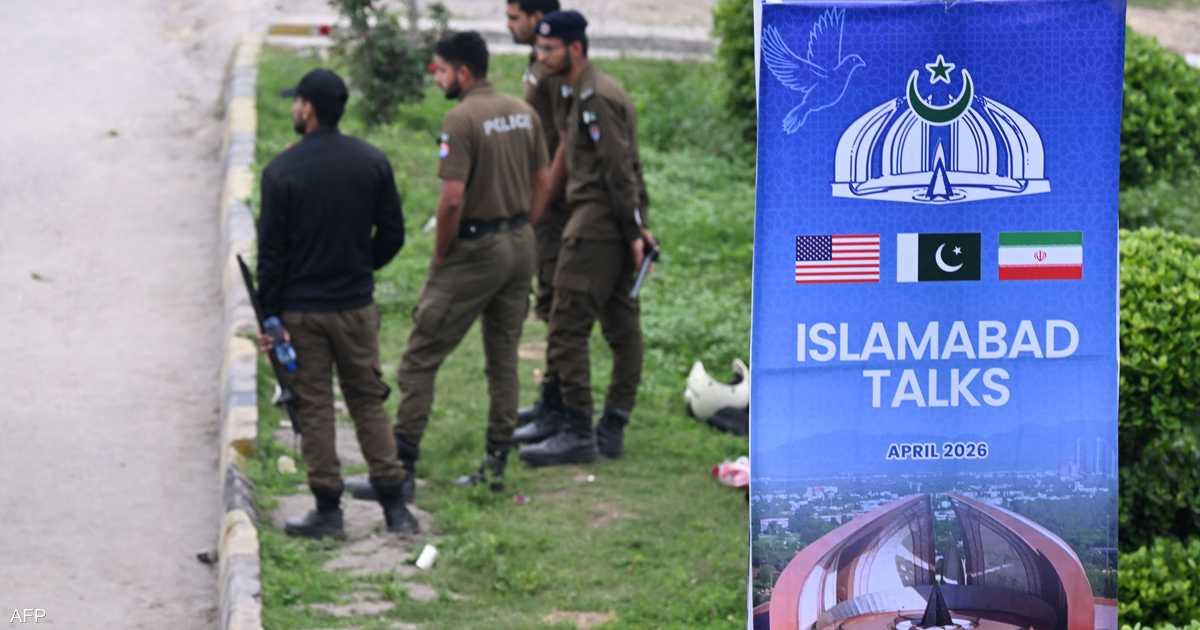
US And Iran Hold Historic Peace Talks In Islamabad Amid Deep Mistrust
28 sources compared

Iran Blocks Strait of Hormuz Despite Two-Week Ceasefire With US and Israel
15 sources compared
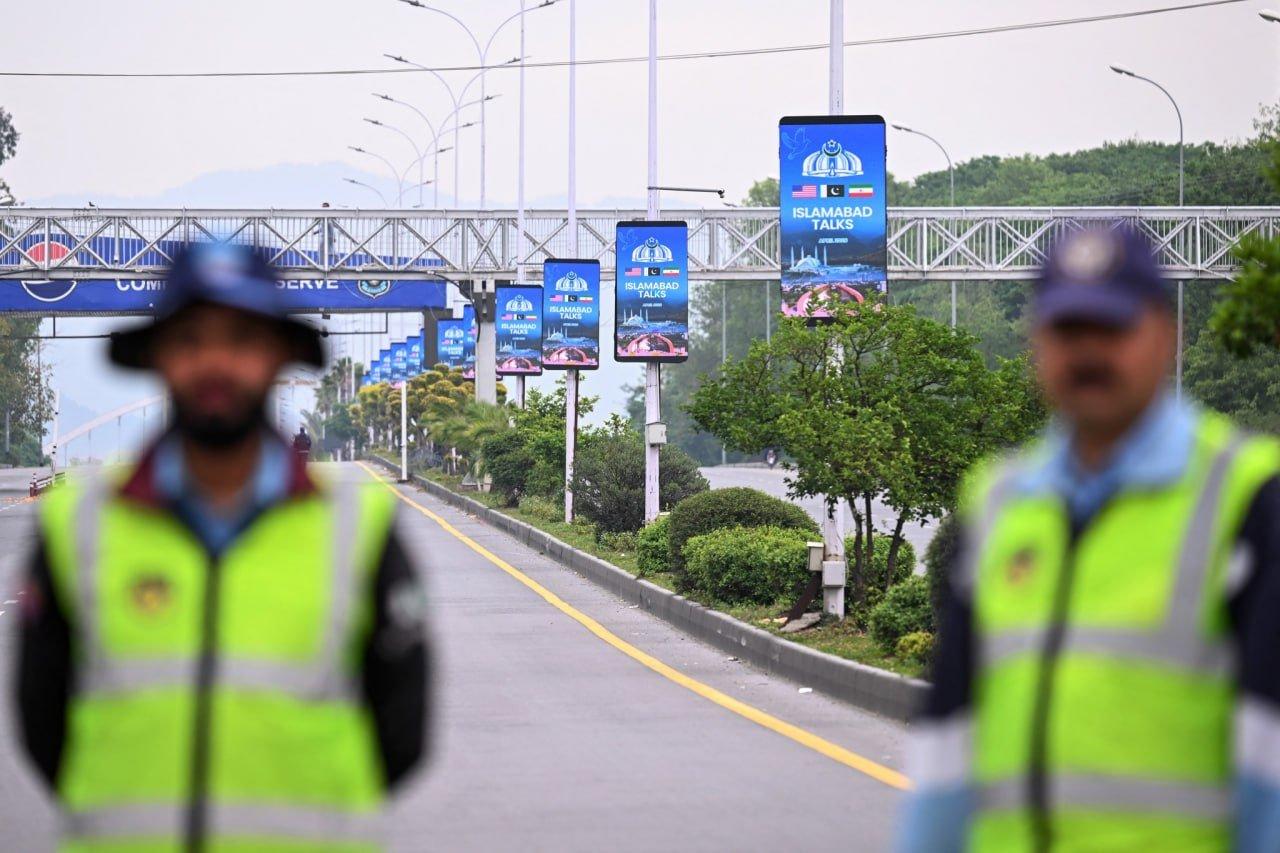
JD Vance Leads U.S. Delegation in Islamabad Peace Talks With Iran Amid Fragile Ceasefire
52 sources compared

US-Iran Peace Talks Begin in Pakistan Amid Ceasefire and Mutual Distrust
28 sources compared