
Iran Closes Strait of Hormuz After Israeli Strikes on Lebanon Ahead of U.S.-Iran Talks in Switzerland
Key Takeaways
- Iran closes the Strait of Hormuz citing Israeli strikes in Lebanon and ceasefire violations.
- Closure comes as US-Iran talks in Switzerland seek to finalize details of the interim ceasefire.
- Negotiations in Switzerland aim to implement the US-Iran agreement to halt the regional war.
Hormuz closure tied to Lebanon
Iran said it was closing the Strait of Hormuz in response to Israeli strikes on Lebanon, as the U.S. and Iran prepared for talks in Switzerland.
“Iran says it is ready to move forward with diplomacy with the United States, but insists Washington must ensure Israel complies with the agreement to end the war”
CNN reported that President Donald Trump threatened to impose U.S tolls in the shipping lane if a deal with Tehran is not ultimately reached, while Vice President JD Vance said the U.S. would set up the structure of negotiations with Iran.
The AP said the U.S. and Iranian negotiators headed to a Swiss venue Saturday for talks on adding key details to their interim agreement, hours after Tehran warned little might be achieved if fighting in Lebanon does not stop.
In Lebanon, CNN said dozens of people had been killed by Israeli strikes over the past two days, marking some of the worst bloodshed of the current conflict, even as Israel continued to exchange fire with Hezbollah.
The BBC reported that it had been given rare access to Israeli-occupied southern Lebanon as an aid convoy distributed aid to Christian villages isolated because of the war, with Israel saying it had no intention of withdrawing troops from Lebanon.
Ceasefire claims collide
While a U.S. official told Reuters that Israel and Hezbollah had agreed to a ceasefire in Lebanon, Al Jazeera reported that Iran insisted Washington must ensure Israel complies with the agreement to end the war.
Al Jazeera quoted Iranian Foreign Minister Abbas Araghchi saying the U.S. has a “commitment and responsibility” to ensure the deal is upheld on all fronts.
NBC News said Iran’s top joint military command described the Strait of Hormuz closure as the “first step” in response to breaches of commitments by the U.S. and Israel, and it cited U.S. Central Command saying 55 merchant ships transited the strait on Saturday with more than 17 million barrels of oil.
The Guardian reported that Donald Trump promptly declared that “NO TOLLS” would be charged on ships seeking to pass through the strait during or after the 60-day interim ceasefire, while U.S. Central Command denied the strait had been closed.
In Lebanon’s fighting, NBC News said Israeli strikes killed at least 16 people, including two children, and it reported that at least seven people remained trapped under the rubble.
Diplomacy under Lebanon pressure
As talks moved toward the Swiss resort of Bürgenstock, CNN said Tehran’s delegation warned that talks won’t advance without first addressing Lebanon, and it described Lebanon as the number one issue for the delegation.
“BBC sees destroyed villages in Israeli-occupied southern Lebanon The BBC has been given rare access to the part of southern Lebanon that is under Israeli occupation, as part of a humanitarian convoy of the Order of Malta distributing aid to Christian villages that have been isolated because of the war”
The Guardian said the continuing hostilities in Lebanon between Hezbollah and Israel had emerged as the main challenge to the new deal to end the war in the Gulf, even as Israeli strikes on southern Lebanon on Saturday killed at least 16 people.
AP News reported that the interim agreement calls for toll-free travel for 60 days and that Trump threatened to impose American tolls if a final deal with Iran isn’t reached in 60 days, while it said the agreement also calls for billions of dollars of Iran’s assets to be unfrozen.
In Lebanon, the Guardian reported that the Israeli attacks that followed killed 83 people across southern Lebanon and the Bekaa valley, and it said the Israeli military said it was striking Hezbollah targets in response to overnight projectile launches.
Al Jazeera added that Iran sees Lebanon as “a test” of U.S. leverage over Israel, with Muhanad Seloom of the Doha Institute for Graduate Studies saying Tehran is watching whether the U.S. can “actually control or rein in the Israeli side.”
More on Lebanon

Iran Shuts Strait of Hormuz Over Israeli Strikes in Lebanon as U.S. Says Traffic Continues
10 sources compared

Israeli Strike Kills Lebanese Turtle Advocate Mona Khalil Near Tyre
13 sources compared
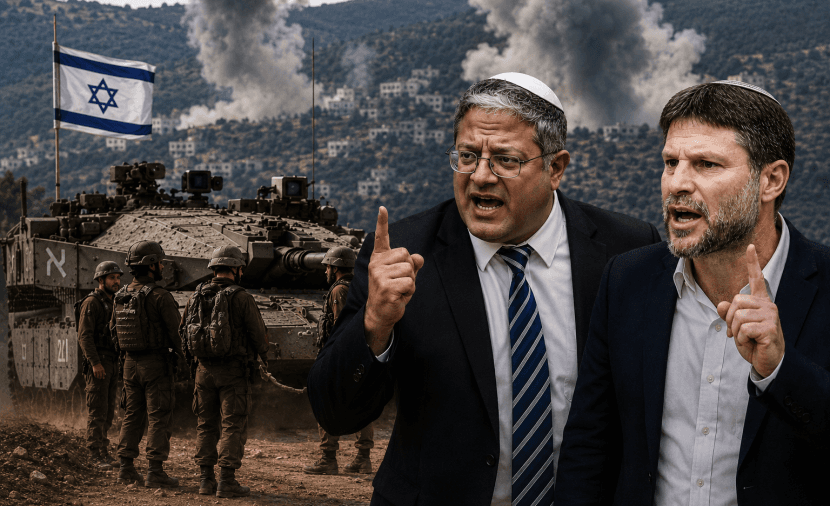
Yechiel Leiter Says Israel Halts Offensive Operations in Lebanon, Keeps Troops Until Hezbollah Is Dismantled
14 sources compared

IDF Says Hezbollah Killed Four Soldiers in Southern Lebanon, Including Lt.-Col. Dor Gedalia Ben Simhon
12 sources compared